




BMW's Dynamic Light Spot Tech Alerts Drivers to Potential Collisions
MUNICH – BMW has introduced a new type of lighting system, called Dynamic Light Spot, that will detect objects in the vehicle's path, such as pedestrians, and automatically directs a marking light toward that person.
MUNICH – BMW has introduced a new type of lighting system, called Dynamic Light Spot, that will detect objects in the vehicle's path, such as pedestrians, and automatically directs a marking light toward that person, which can help drivers avoid potential accidents. Dynamic Light Spot is linked to the automaker’s ConnectedDrive system. The company said it plans to include this system as part of a special BMW Night Vision system package in future vehicles.
Dynamic Light spot uses heat radiation-based sensors (an infrared camera with a viewing angle of 24 degrees) to detect an object in the vehicle’s path, up to more than 320 ft. away (97 meters). Then, the vehicle will project a beam of light (which the company calls a “marking light”) onto the road in front of the vehicle along the path to the object, which gives the driver more time to brake and avoid an accident. When the vehicle gets close enough for normal lights to illuminate an obstacle, the marking light switches off.
In addition to Dynamic Light Spot technology, BMW also plans to add a glare-free technology to its existing high beam “assistant” technology. The high beam assistant uses the camera sensor in the interior mirror bracket to recognize other objects, such as cars, trucks, motorcycles, and bicycles (if a bicycle’s lights are bright enough) and then “masks” the vehicle’s headlights so they don’t dazzle other drivers. The high beam assistant camera sensor can detect the headlight beams up to roughly 3,300 ft. (1,000 meters), and the taillights of other vehicles in front from about 1665 ft. (500 meters).
More Safety

Nexar-Nauto Merger Aims to Give Fleets Better Safety Intelligence Through Larger Driving Dataset
Stefan Heck tells Automotive Fleet that combining more than 10 billion miles of driving history with Nexar's AI models will give fleets deeper insights into driver risk and roadway conditions than either company could provide independently.
Read More →
Don't Wait for a Crisis: 5 Ways to Build Mental Health Into Your Fleet Safety Program
For Suicide Prevention Month, fleet and safety leaders have an opportunity to put mental health where it belongs: at the center of workplace safety.
Read More →
How Camera Data Can Strengthen a Fleet’s Insurance Renewal
Insights from a commercial insurance carrier and a broker show how fleets can turn video telematic data, driver coaching, and improved claims results into a stronger case at insurance renewal.
Read More →
The Safest Fleets Aren’t the Ones with the Most Technology
You’ve made the telematics investment. Here’s how to capture the other half of its value and build the safest fleet on the road.
Read More →
Hidden in Plain Sight: Fleet Compliance Risks
Fleet compliance isn't just about having policies — it's about consistently enforcing them. This practical guide reveals six hidden compliance risks common in public sector and shared fleet operations and outlines proven strategies to improve visibility, accountability, and audit readiness
Read More →
NETS Sets 2026 Fleet Safety Benchmark Conference for Indianapolis
The Sept. 15–17 program will feature fleet benchmarking data, case studies, emerging technologies, and implementation strategies while running alongside the NSC Safety Congress & Expo.
Read More →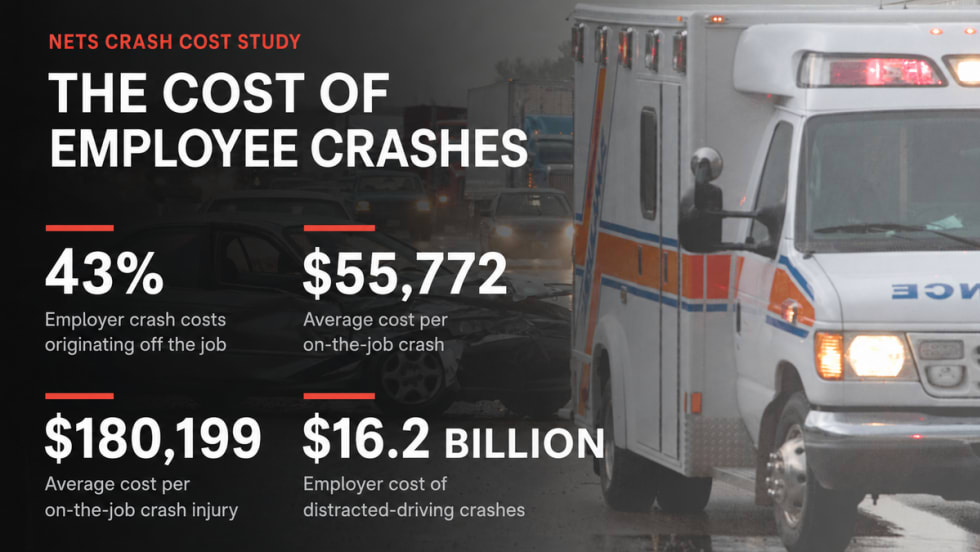
Off-the-Job Crashes Account for 43% of Employers’ $61.7 Billion Crash Burden
NETS quantifies costs dispersed across fleet, risk, HR, and other departments while providing new per-crash benchmarks for employers.
Read More →
Ram Recalls More Than 1.27 Million 1500 Pickups for Seat Belt Anchor Issue
The recall affects certain 2019-2026 Ram 1500 pickups that may have improperly attached second-row seat belt buckle anchors.
Read More →
How Better Visibility Cut Speeding Violations by 48%
Fleet leaders don't need more data, they need clearer visibility into what the data is saying. This case study explores how one utility replaced speeding-event counts with a single metric — miles driven in violation — to strengthen safety and significantly reduce speeding violations.
Read More →
Operation Safe Driver Week: Why the Industry's Oldest Safety Campaign Still Matters to Fleets
A look at how a 2007 enforcement initiative became one of the most consequential weeks on the fleet safety calendar, and what it means for your drivers in 2026.
Read More →