




Automakers, Environmentalists Push Competing Fuel Economy Plans
WASHINGTON - Competing proposals to raise fuel economy standards for automakers have set off a fierce lobbying effort in Congress and across the nation by environmental activists, the auto industry, and union workers.
WASHINGTON - Competing proposals to raise fuel economy standards for automakers have set off a fierce lobbying effort in Congress and across the nation by environmental activists, the auto industry, and union workers, according to the Associated Press.
"The future competitiveness of our company is at stake," wrote DaimlerChrysler AG's Chrysler Group President Tom LaSorda in a recent e-mail to more than 30,000 employees. "As soon as possible, let your voice be heard — loud and clear."
An automobile trade group was airing new radio and print ads in about 20 states and Washington to build support for an alternative proposal pushed by Sens. Carl Levin, D-Mich., and Kit Bond, R-Mo., that would seek more moderate increases to gas mileage rules.
Environmental groups, meanwhile, have been running their own advertising in key states to solidify support for a Senate energy package that would require each automaker's fleet of new vehicles to average 35 mpg for cars and trucks by 2020, an increase of about 10 mpg over current levels.
Interest groups are expected to descend on Capitol Hill to lobby for the fuel efficiency rules and mount letter-writing campaigns from afar. Dealers representing both domestic and foreign automakers plan to meet with lawmakers, while several environmental groups have mobilized support for the proposal backed by Sen. Dianne Feinstein, D-Calif.
"Our members are really up in arms and calling and writing and e-mailing and visiting their senators back home," said the Sierra Club's Dan Becker.
The Senate expects to consider proposals the last week in August to increase fuel efficiency requirements for new vehicles as part of its deliberations on an energy bill. The issue is critical to automakers because they develop their vehicles years in advance and any efficiency improvements would need to be included in future cars and trucks.
Proponents of the Feinstein bill, which would also seek a 4-percent annual increase in fuel efficiency rules from 2020 to 2030, say it would help address concerns about global warming and gasoline consumption. They also question whether the auto industry can be trusted to develop significant efficiency gains after battling past attempts to increase the standards.
"The technology exists today to make major improvements in fuel economy," Feinstein said Thursday. "It can be done without sacrificing safety, and with significant benefit to our economy and the environment."
The auto industry has opposed the bill, saying it would force them to comply by scaling back the number of large trucks and SUVs they offer. The new standards would cost them billions of dollars, threatening auto plants and workers' health care benefits, they contend.
"Hundreds of thousands of those jobs are at stake here," said former Sen. Jim Talent, R-Mo., who spoke on a conference call arranged by the Alliance of Automobile Manufacturers. The trade group is running print and radio ads to encourage support for the Levin-Bond plan.
Underscoring the concerns, LaSorda wrote in his e-mail to employees that the Feinstein approach would "add up to a staggering $6,700 — almost a 40-percent increase — to the cost of every Chrysler vehicle."
The alternative, supported by Democrats Mark Pryor of Arkansas and Debbie Stabenow of Michigan, would require passenger cars to meet a fleet-wide average of at least 36 mpg by 2022 and 30 mpg for pickup trucks, SUVs, and vans by 2025. It would seek to promote flexible-fuel vehicles and other alternatives.
The United Auto Workers asked members to contact their senators about the proposals. In an e-mail to workers, the union said the Feinstein approach would force the industry "to off-shore small-car production and drastically downsize their vehicle fleets, which would result in job losses at plants where pickup trucks and SUVs are assembled."
More Fuel
Bob Adamsky on Fuel Volatility: "Don't Panic, Have a Plan."
When it comes to up and down fuel prices, Adamsky has a message for fleets: “Don’t panic.”
Read More →
How Fleets Can Gain Control of Non-Fuel Spend
Fuel often gets the spotlight, but non-fuel expenses can have a major impact on fleet costs. Ramel Lindsay of U.S. Bank Voyager discusses how fleets can gain better visibility and control over these often-overlooked expenditures.
Read More →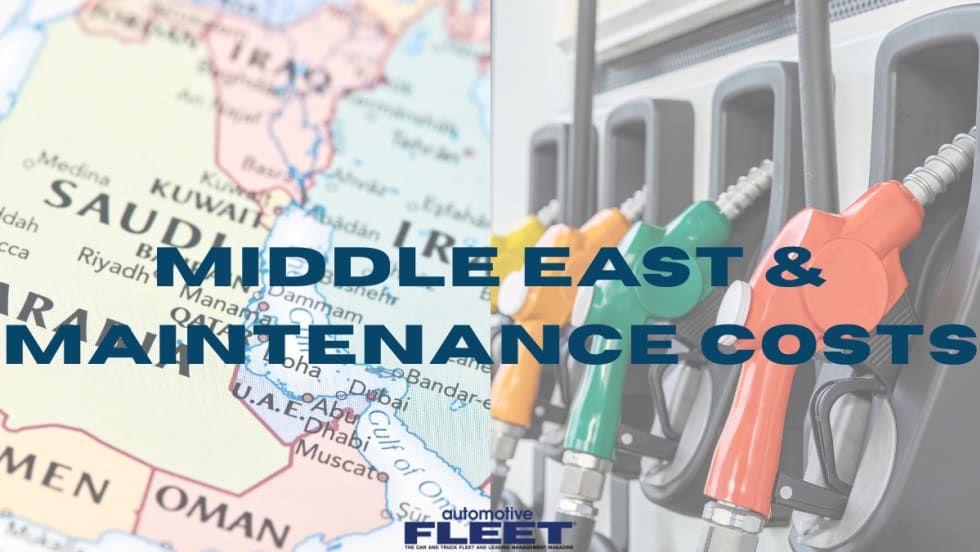
Fuel is Just the Start: How Middle East Tensions are Driving Up Fleet Maintenance Costs
The Middle East conflict is doing more than pushing up fuel prices. It’s also raising the cost of key maintenance products your fleet depends on, from motor oil to tires to windshield wipers. Here’s what you need to know about this budget-busting situation.
Read More →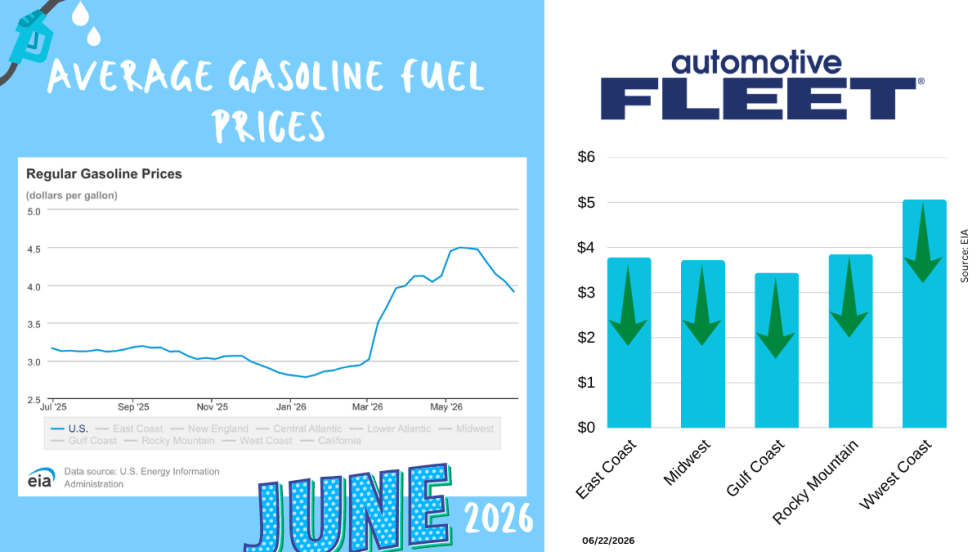
June Fuel Update: Prices Fall Below $4
Drivers are finally getting some relief at the pump. The national average gas price has dropped below $4 a gallon for the first time in months, with prices falling in 47 states as oil markets react to developments in U.S.-Iran negotiations.
Read More →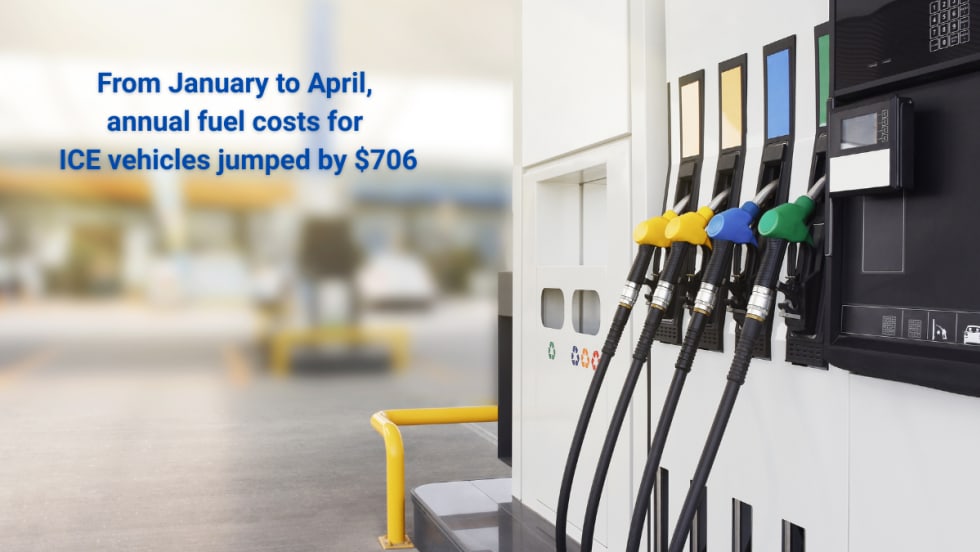
Study: How 2026's Gas Price Hikes Affect Different Vehicle Types
New data from iSeeCars reveals how rising fuel costs have affected different vehicle segments as gasoline prices climbed nearly 46% over the past four months.
Read More →
Are You Tracking Your Fleet's True Total Cost of Ownership?
Bobit Business Media surveyed 190 fleet professionals and found that while most fleets are tracking costs, fragmented systems and data gaps are keeping true TCO visibility out of reach. With rising pressure to control spend in an increasingly volatile environment, the gap between what fleets think they know and what the data actually shows is wider than you might expect. See how your peers are managing costs today and where the industry still has room to improve.
Read More →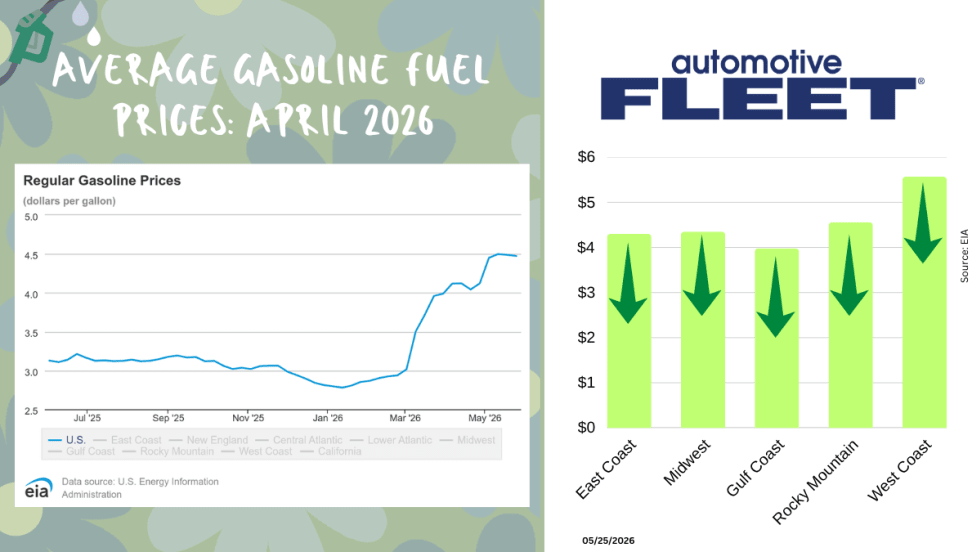
May Fuel Update: All Regions Experience Declines
Gas prices are finally easing in much of the country, but experts warn global tensions could quickly reverse the trend as the national average remains well above last month’s levels.
Read More →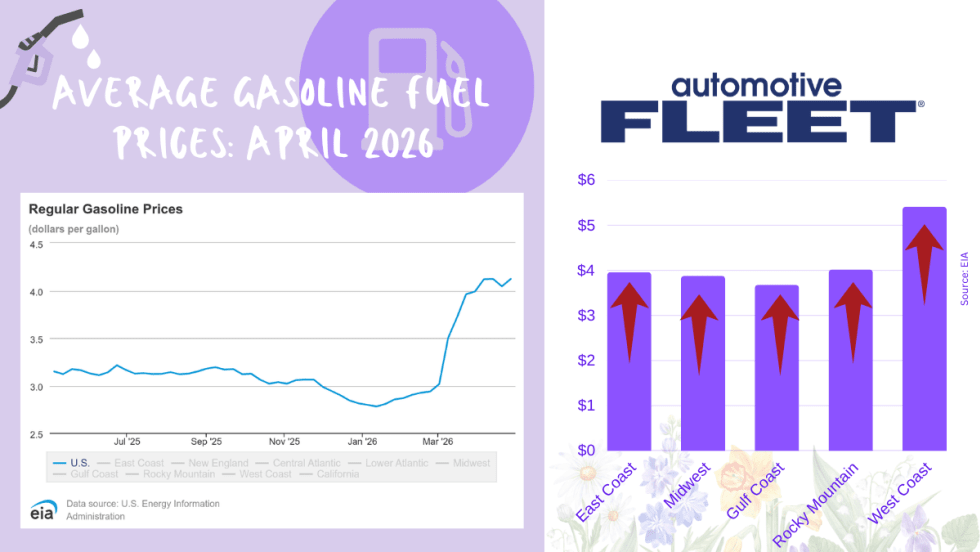
April Fuel Update: Prices Climb Above $4 as Spring Surge Accelerates
National average jumps to $4.04 per gallon, up sharply from last year, with West Coast prices topping $5 and further increases expected amid rising oil tensions.
Read More →
Tips from Fleet Managers on Saving Fuel Costs
Fleet leaders share practical strategies to reduce fuel spend through smarter policy, routing, and driver guidance.
Read More →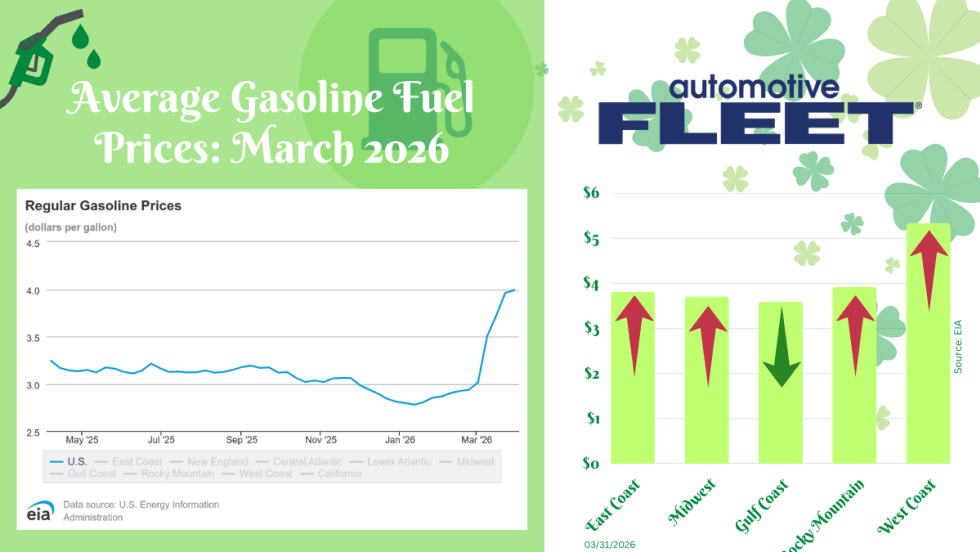
March Fuel Update: Prices Settle With a $4 Average
Fuel prices significantly slowed this week, but a $4 national average is still expected.
Read More →