




AutoCheck Finds Damaged Vehicles Re-titled as Clean
SCHAUMBURG, IL --- Nearly 1.3 million cars and trucks throughout the United States were designated as damaged by accidents or severe weather in the first half of 2008. But according to AutoCheck vehicle history reports from Experian Automotive, over 15 percent of these lost their damage designation when they were re-titled in another state.
SCHAUMBURG, IL --- Nearly 1.3 million cars and trucks throughout the United States were designated as damaged by accidents or severe weather including thunderstorms, hail, tornadoes and flooding in the first half of 2008. But according to AutoCheck vehicle history reports from Experian Automotive, more than 185,000 of these vehicles -- over 15 percent -- lost their damage designation, or brand, when they were re-titled in another state.
While these brands did not carry over to the new titles, they can still be found on the vehicles' AutoCheck vehicle history reports. Vehicles sustaining damage or experiencing other major events in their histories carry "brands" on their titles -- words or symbols on the official vehicle title issued by the state Department of Motor Vehicles. These brands signify vehicle status or condition with classifications such as salvaged, lemon, rebuilt or reconstructed, flood, hail or fire damaged, totaled, broken odometer, stolen, or abandoned.
"Title-washing," wherein a vehicle is re-titled in another state but its brand is not carried over to the new title, remains a prevalent issue with the potential to endanger thousands of used-vehicle shoppers each year who may unknowingly buy a possibly unsafe vehicle that had been severely damaged in the past.
"Too often, vehicles branded due to some form of severe damage are reconstructed and re-titled without their damage-related brand and then sold to unsuspecting consumers," said Scott Waldron, president of Experian Automotive. "With such a large number of title-washed vehicles on the road today, consumers shopping for a reliable used car or truck need to get an AutoCheck vehicle history report for all vehicles they consider buying."
Severe weather such as tornadoes and flooding in the first six months of 2008, along with the onset of hurricane season, has increased the potential for more title-washed vehicles to find their way into the market. Experian's AutoCheck vehicle history reports allow consumers to quickly access the history of any used vehicle by revealing possible undisclosed or unknown problems that can affect an automobile's safety and resale value including major flood damage, frame damage, odometer rollback issues, along with other key information.
Because AutoCheck vehicle history reports keep a list of each reported history event on a vehicle, items such as storm-related title brands stay on the vehicle's history report even though the brand may be lost when the vehicle is re-titled in a new state.
"Consumers need to arm themselves with as much information as possible when shopping for a used vehicle," Waldron said. Consumers can obtain an AutoCheck vehicle history report by visiting www.autocheck.com .
More Safety
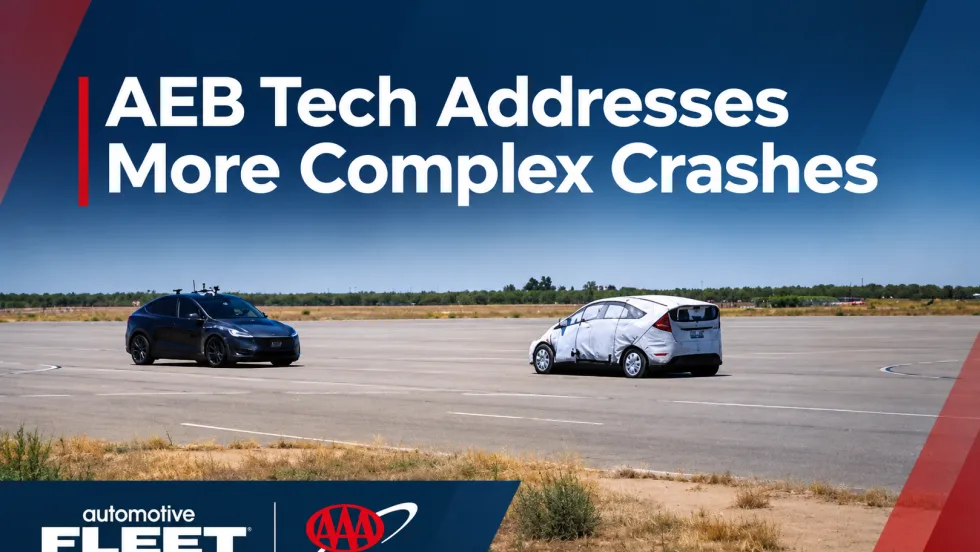
AAA Testing Finds Gaps in Intersection AEB Crash Prevention
Testing of four 2026 model-year vehicles found that automatic emergency braking prevented collisions in standardized intersection scenarios, but three vehicles failed to avoid crashes when another vehicle turned into their path.
Read More →
Which Fleet Types Have the Highest Severe Speeding Rates?
New research from SambaSafety finds significant differences in speeding rates across fleet industries, even as nearly 90% of surveyed fleets report using telematics.
Read More →
When a Cyberattack Hits Your Fleet: What Happens Next?
“You have two opportunities to test your plans: when you choose or when the threat actor chooses.” A cybersecurity expert reveals what fleet managers need to know before a cyberattack puts their operations at risk — and why the decisions made in the first moments can shape the entire recovery.
Read More →
Tips for Driving Safely on Halloween Night
This video features a reminder from the Connecticut Department of Transportation (DOT) and the Connecticut Police Chiefs Association, urging drivers to prioritize safety this Halloween.
Read More →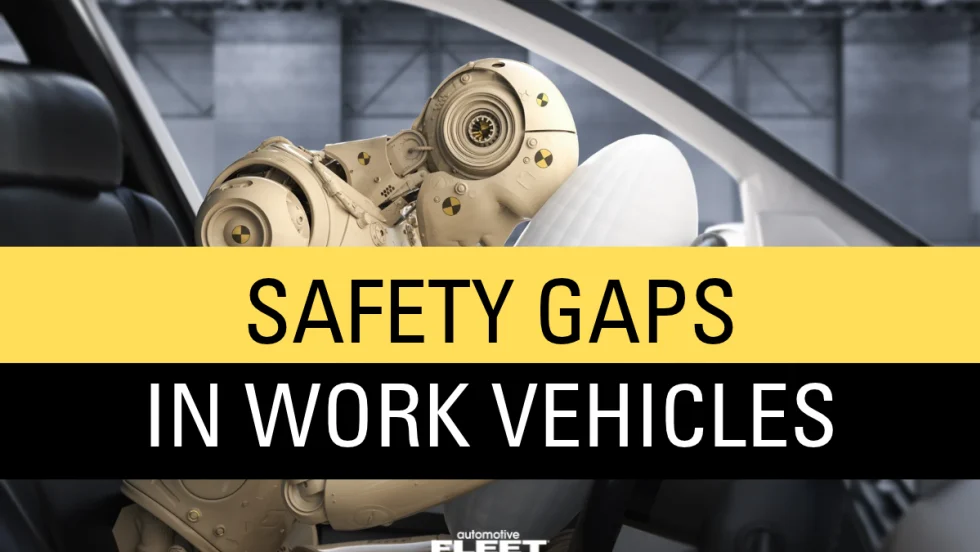
IIHS Crash Avoidance Tests Reveal Safety Gaps in Cargo Vans and Work Trucks
New IIHS crash avoidance ratings show uneven performance among cargo vans and heavy-duty pickups, with most struggling to avoid vehicle-to-vehicle collisions.
Read More →
What’s Next for Fleet? Safety, AI & Industry Recognition | AF News Recap
Could your company's culture be encouraging distracted driving? This week, we're exploring how workplace expectations affect driver safety, what AI, EVs, and autonomous vehicles could mean for the future of fleet management, and how fleet professionals can strengthen their award nominations.
Read More →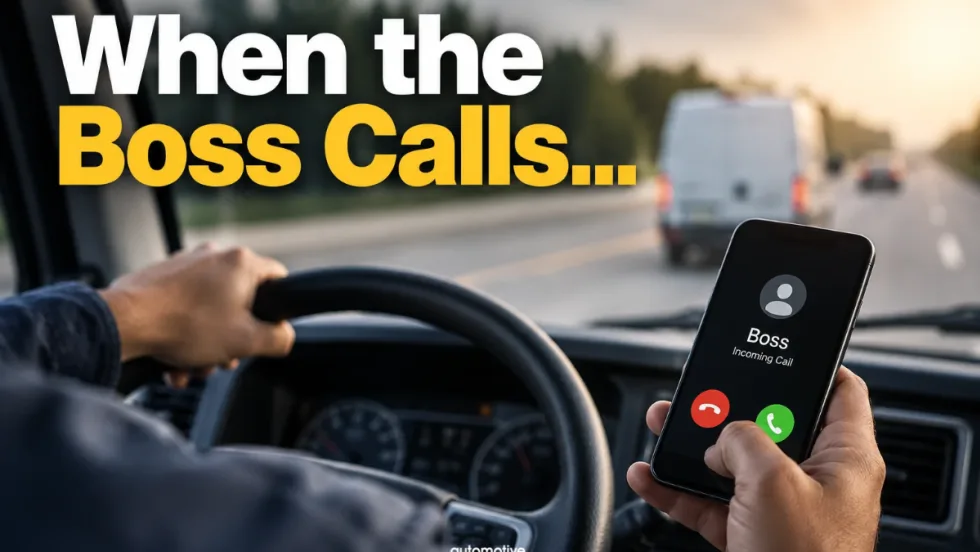
Does Your Fleet's Culture Encourage Distracted Driving?
What happens when the people responsible for enforcing safety rules are the ones setting the wrong example? The answer may reveal why some of the biggest risks to fleet drivers have little to do with what's written in the employee handbook.
Read More →
Fleet Manager’s Ultimate Playbook: Navigating the New Standard in OEM Connectivity
Rising operating costs, driver safety concerns, and unplanned downtime are putting unprecedented pressure on modern fleets. Discover how fleet managers use embedded OEM connectivity and real-time vehicle data to cut TCO, prevent downtime, and protect drivers without aftermarket telematics hardware.
Read More →
From Driver Well-Being to EV Charging | AF News Recap
Mental health belongs in the fleet safety conversation. This week, we’re looking at five ways fleets can support employee well-being before a crisis, plus Holman’s expansion in Mexico, new one-day Fleet Forward passes, and why EV charging demand is outpacing infrastructure growth.
Read More →
Nexar-Nauto Merger Aims to Give Fleets Better Safety Intelligence Through Larger Driving Dataset
Stefan Heck tells Automotive Fleet that combining more than 10 billion miles of driving history with Nexar's AI models will give fleets deeper insights into driver risk and roadway conditions than either company could provide independently.
Read More →