




ASTM Approves New Biodiesel Blend Specifications
VANCOUVER, B.C. – The ASTM International D02 Main Committee approved a trio of long-awaited ASTM specifications for biodiesel blends.
VANCOUVER, B.C. – The ASTM International D02 Main Committee approved a trio of long-awaited ASTM specifications for biodiesel blends. After more than five years of extensive research and subsequent balloting by the ASTM fuel experts in the blended fuel balloting process, ASTM has finally voted to approve three key sets of biodiesel specifications that should significantly bolster automaker support and consumer demand for biodiesel:
Changes to the existing B-100 biodiesel blend stock specification (ASTM D6751).
Finished specifications to include up to five percent biodiesel (B-5) in the conventional petrodiesel specification (ASTM D975).
A new specification for blends of between six percent biodiesel (B-6) to 20 percent biodiesel (B-20) for on and off road diesel.
Automakers and engine manufacturers have been requesting a finished blend specification for B-20 biodiesel blends for several years, with some citing the need for that spec as the single greatest hurdle preventing their full-scale acceptance of B-20 use in their diesel vehicles.
“The new ASTM specifications for B-6-B-20 blends will aid engine manufacturers in their engine design and testing processes to optimize the performance of vehicles running on biodiesel,” said Steve Howell, chairman of the ASTM Biodiesel Task Force. “The new specifications will also help ensure that only the highest quality biodiesel blends are made available to consumers at the retail pump.”
Chrysler LLC was instrumental in working with the ASTM task force toward B-20 specification development and approval, having supported fleet use of B-20 in its Dodge Ram diesel pickups since January 2006. And currently GM accepts the use of B-5 in all of its diesel vehicles, and offers B-20 use as a Special Equipment Option (SEO).
The SEO is available to government fleets on specific configurations of the Chevy Silverado and GMC Sierra Heavy Duty Pickups, as well as the GMC Savanna and Chevy Express Commercial Cutaway Vans.
The approval of ASTM specifications for inclusion of up to five percent biodiesel (B-5) in the regular diesel fuel pool also means that biodiesel could soon become more readily available at retail fueling stations nationwide.
The ASTM International Main Committee also approved a fourth set of specifications for inclusion of B-5 biodiesel in heating oil. Marketed as Bioheat, biodiesel is gaining popularity as a home heating oil, particularly in the Northeast United States.
Biodiesel must be properly processed to meet the approved ASTM specifications regardless of the feedstock used to produce it. Biodiesel blends up to B-20 meeting ASTM specifications can be used in any diesel engine without modifications, and nearly all major automakers and engine manufacturers in the United States currently accept the use of at least B-5, with some companies — such as Caterpillar, Cummins, John Deere, and New Holland — already accepting blends of B-20 or higher. Several more companies are expected to raise their approvals to B-20 now that the final ASTM specifications for B-6-B-20 blends have been approved.
For more information, visit www.biodiesel.org.
More Green Fleet
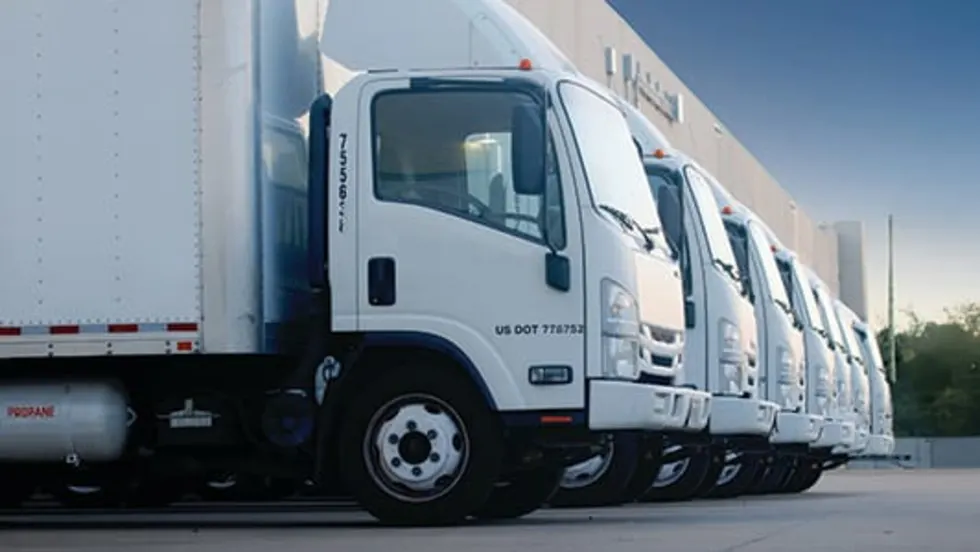
New Propane Autogas Program Offers Fleet Compensation
Qualified commercial fleets can receive $7,500 per eligible propane autogas vehicle and up to $10,000 for new refueling site prep. Learn how the program works and see whether your fleet qualifies.
Read More →
EV Charging Use Is Outpacing Infrastructure Growth
ChargePoint’s 2026 Charging Forward Report points to rising charger use, higher-powered charging, commercial vehicle electrification, and energy-management technology. Here’s what fleets should know.
Read More →
Merchants Fleet Reports 290M EV Miles as Fleets Navigate Changing Electrification Market
From millions in operating savings to hundreds of millions of EV miles, Merchants Fleet’s latest report reveals what’s working and what’s changing in fleet electrification.
Read More →

The EV Breakdown Nobody's Talking About: Why Most Electric Vehicle Roadside Calls Aren't Mechanical Failures
Here's why EV breakdowns are widely misunderstood.
Read More →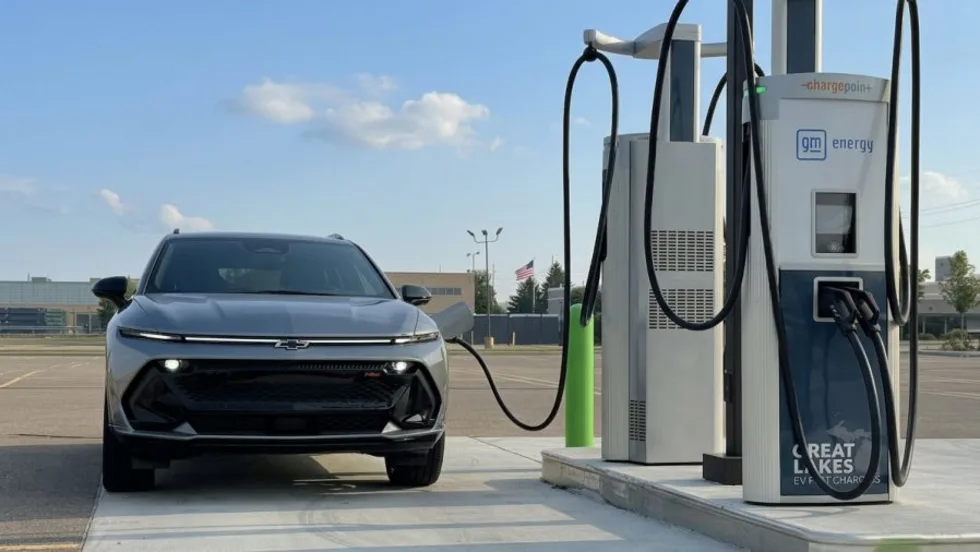
ChargePoint Now Available in Energy Pass
ChargePoint and additional planned charging network integrations were added to GM's Energy Pass.
Read More →
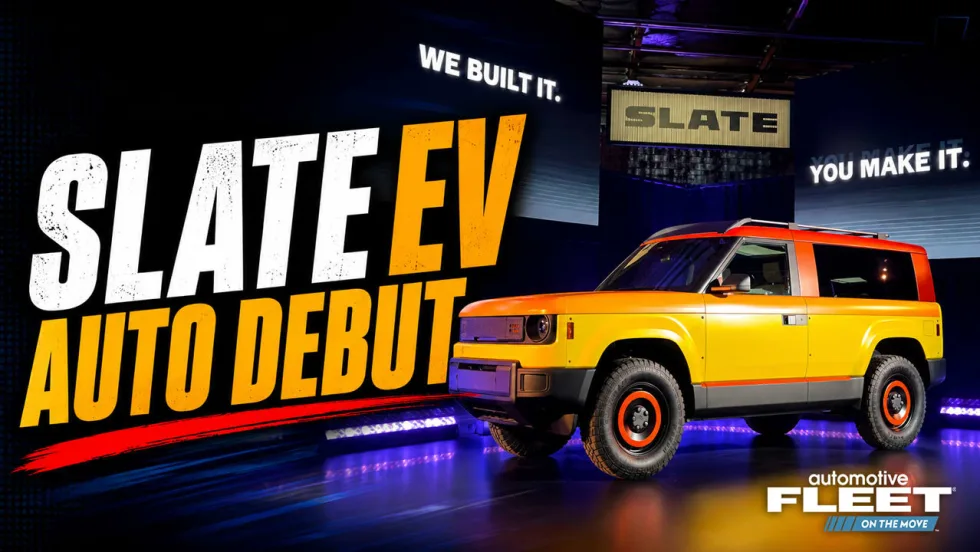
First Look: Slate Auto's Electric Fleet Pickup
Could an affordable, modular EV pickup make electrification more practical for fleets?
Read More →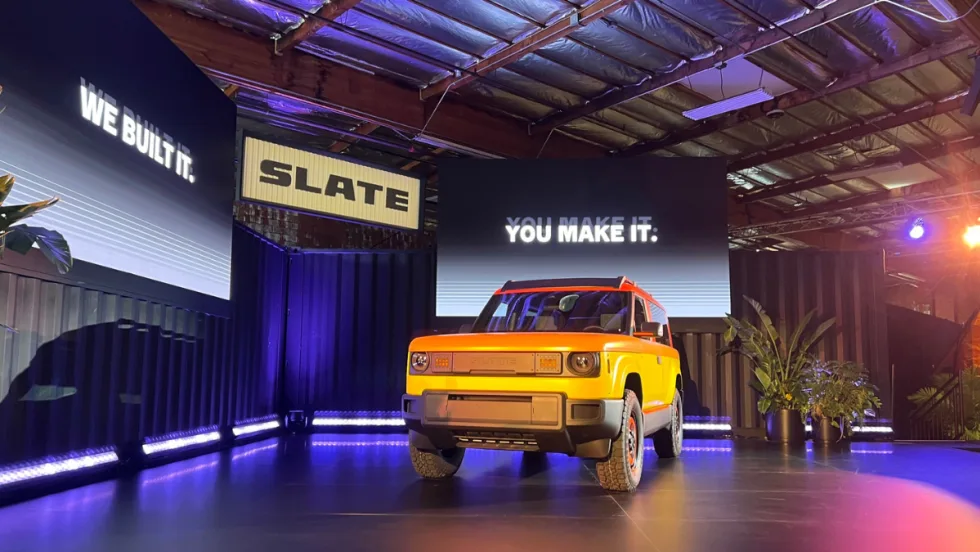
Slate Debuts Colorful, Unique EV Models
A recent media and client event, studded with electric vehicles dressed up on platforms, planted a new position for the manufacturer in the wider EV market. Fleets will find cost-saving advantages.
Read More →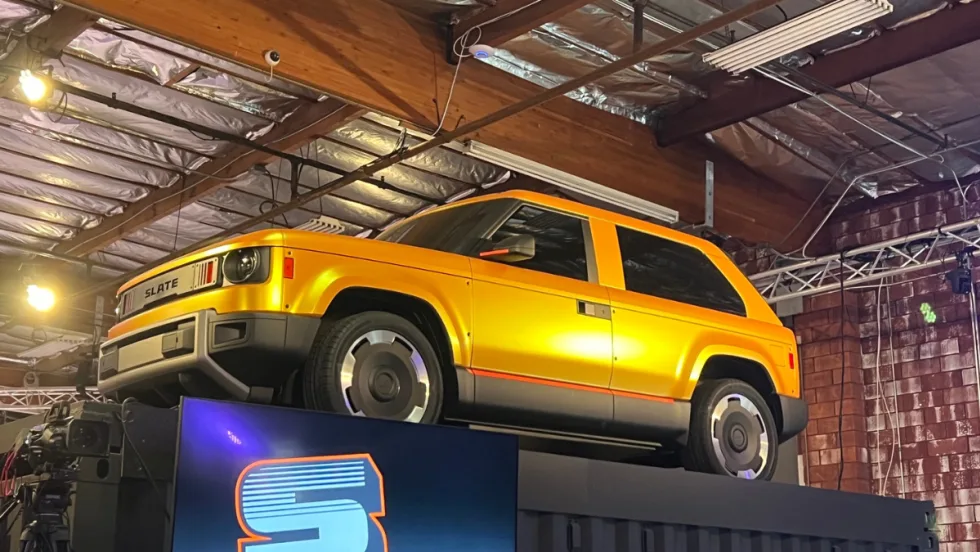
Slate Electric SUV, Pickup Switchable Model Aims For Light-Duty Fleets
Everything about this EV is counterintuitive and understated, making it stand out from the crowd.
Read More →
Inspiration Mobility Acquires Key Electrada Assets
Inspiration Mobility Group has acquired select assets of Electrada, adding the fleet electrification provider's team, technology, and charging infrastructure development capabilities to its energy management business.
Read More →