




Army Unveils First Hybrid-Electric Propulsion System for New Combat Vehicles
SANTA CLARA, Calif. --- The U.S. Army unveiled its first hybrid-electric propulsion system for a new fleet of Manned Ground Vehicles (MGVs), which will be tested and evaluated at the Army's Power and Energy Systems Integration Laboratory.
SANTA CLARA, Calif. --- The U.S. Army unveiled its first hybrid-electric propulsion system for a new fleet of Manned Ground Vehicles (MGVs), which will be tested and evaluated at the Army's Power and Energy Systems Integration Laboratory. The Army said it is developing and building eight new MGV variants for 15 Future Combat Systems Brigade Combat Teams (FCS BCTs). All eight commonly designed MGV variants will provide soldiers with enhanced survivability, increased speed and mobility, new network-based capabilities, and more modern, modular technology. The Army is saving money by employing a common chassis across all eight MGV variants. With 75-80 percent commonality, the MGV chassis significantly reduces design, production and sustainment costs compared to the expense of eight completely different MGV variants. "The unveiling of our new MGV hybrid-electric propulsion system shows, once again, that future combat systems really are about what's happening today," said FCS BCT Program Manager Major Gen. Charles Cartwright. "With new FCS technologies, the Army is providing state-of-the-art capabilities to our soldiers sooner rather than later." For the first time, the Army will be integrating a functional hybrid-electric drive system into a combat vehicle. The drive system is part of the propulsion system that will power the vehicles. The Army is using hybrid-electric power because the more modern FCS BCTs have much greater electrical power requirements than the current-force Heavy BCTs. Hybrid-electric vehicles provide the requisite electrical power because they employ a rechargeable energy storage system. An ancillary benefit of the hybrid-electric vehicles is improved fuel economy and less reliance on oil, natural gas, and other fossil fuels. The first hybrid-electric MGV variant, the Non-Line-of-Sight Cannon (NLOS-C), will commence production in late 2008. "The MGV drive train is unique," said Col. Bryan McVeigh, product manager for MGV systems integration. "The traditional engine has been de-coupled from the drive train architecture and is designed only to recharge the energy storage system and power the vehicular systems. "The hybrid drive system alone," he added, "literally will move the vehicle. This is a new and better way of moving across the battlefield." Soldiers in the Army Evaluation Task Force (AETF) will begin testing mature FCS Spin-Out 1 technologies this year at Ft. Bliss. Once the AETF has completed its evaluation, these technologies will become available for fielding to deployed forces. Precursor FCS technologies, including the PacBot Tactical Robot and Micro (Unmanned) Air Vehicle, already are being used by solders in Iraq and Afghanistan. Future Combat Systems (FCS) is the Army's principal modernization program. FCS consists of a family of manned and unmanned air and ground systems and sensors, all connected by a common network.
More Fuel
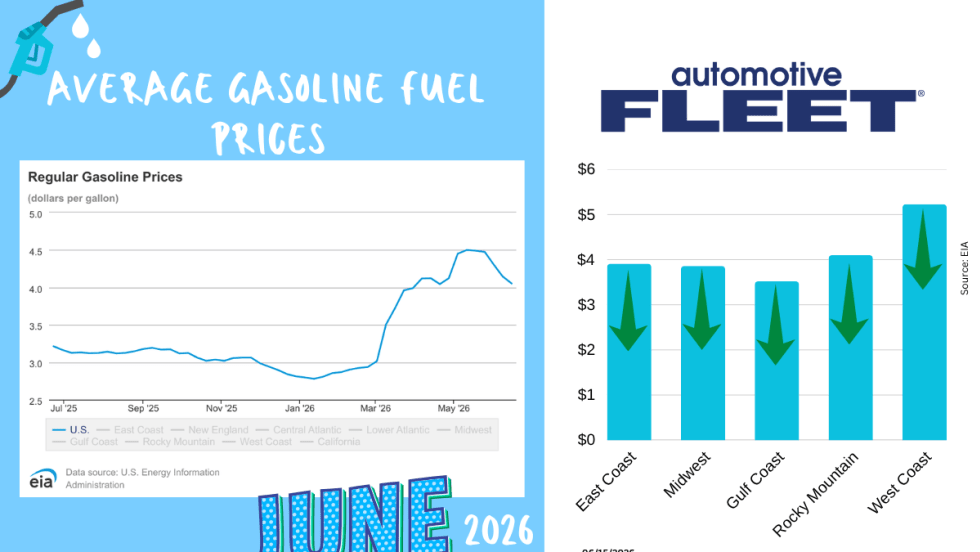
June Fuel Update: Prices Fall Below $4
Drivers are finally getting some relief at the pump. The national average gas price has dropped below $4 a gallon for the first time in months, with prices falling in 47 states as oil markets react to developments in U.S.-Iran negotiations.
Read More →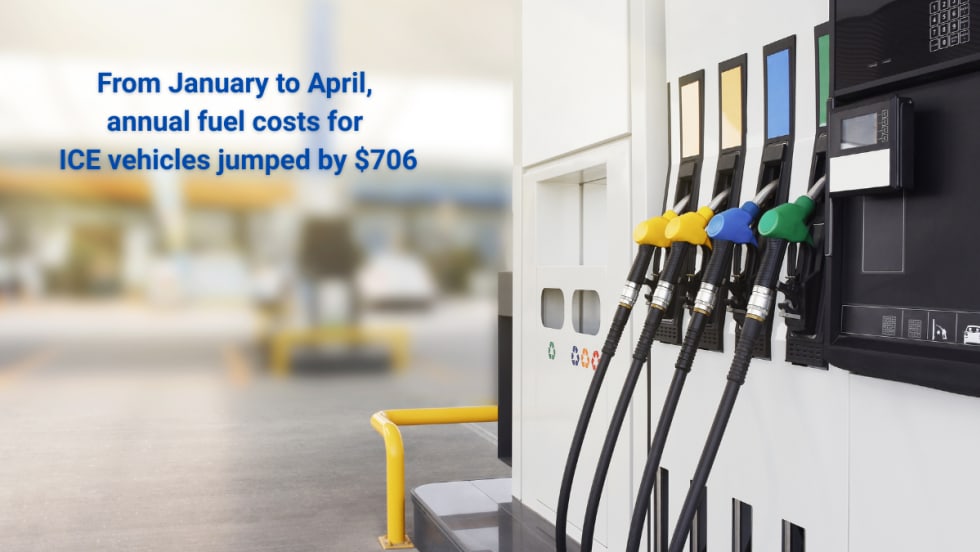
Study: How 2026's Gas Price Hikes Affect Different Vehicle Types
New data from iSeeCars reveals how rising fuel costs have affected different vehicle segments as gasoline prices climbed nearly 46% over the past four months.
Read More →
Are You Tracking Your Fleet's True Total Cost of Ownership?
Bobit Business Media surveyed 190 fleet professionals and found that while most fleets are tracking costs, fragmented systems and data gaps are keeping true TCO visibility out of reach. With rising pressure to control spend in an increasingly volatile environment, the gap between what fleets think they know and what the data actually shows is wider than you might expect. See how your peers are managing costs today and where the industry still has room to improve.
Read More →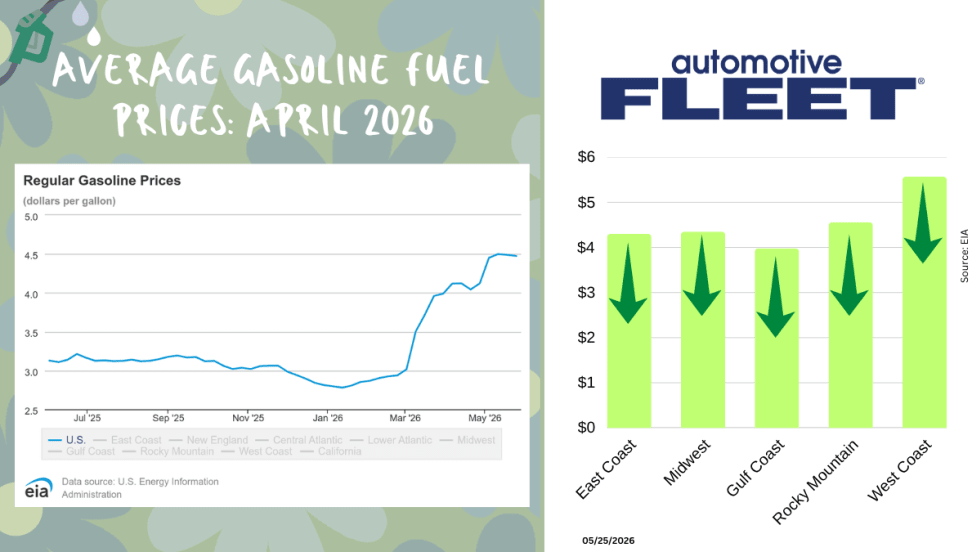
May Fuel Update: All Regions Experience Declines
Gas prices are finally easing in much of the country, but experts warn global tensions could quickly reverse the trend as the national average remains well above last month’s levels.
Read More →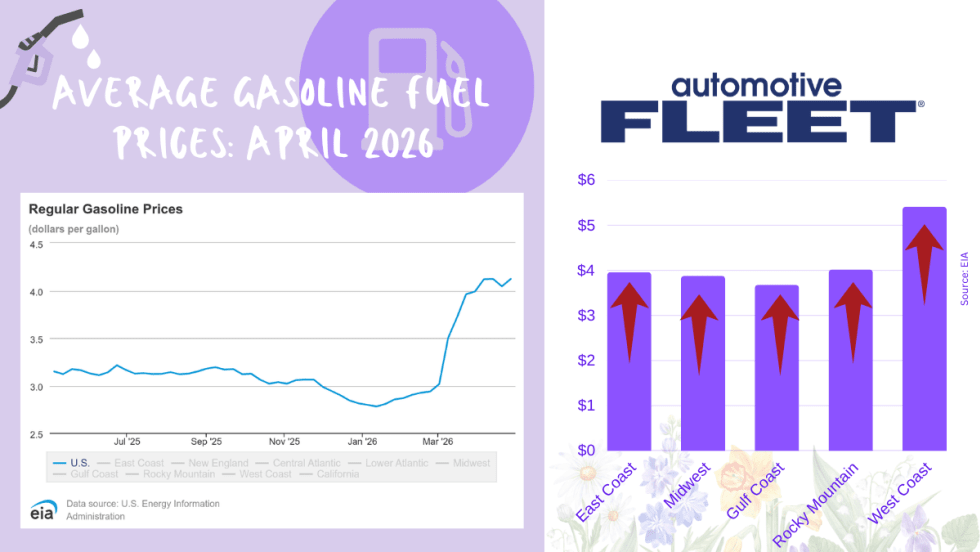
April Fuel Update: Prices Climb Above $4 as Spring Surge Accelerates
National average jumps to $4.04 per gallon, up sharply from last year, with West Coast prices topping $5 and further increases expected amid rising oil tensions.
Read More →
Tips from Fleet Managers on Saving Fuel Costs
Fleet leaders share practical strategies to reduce fuel spend through smarter policy, routing, and driver guidance.
Read More →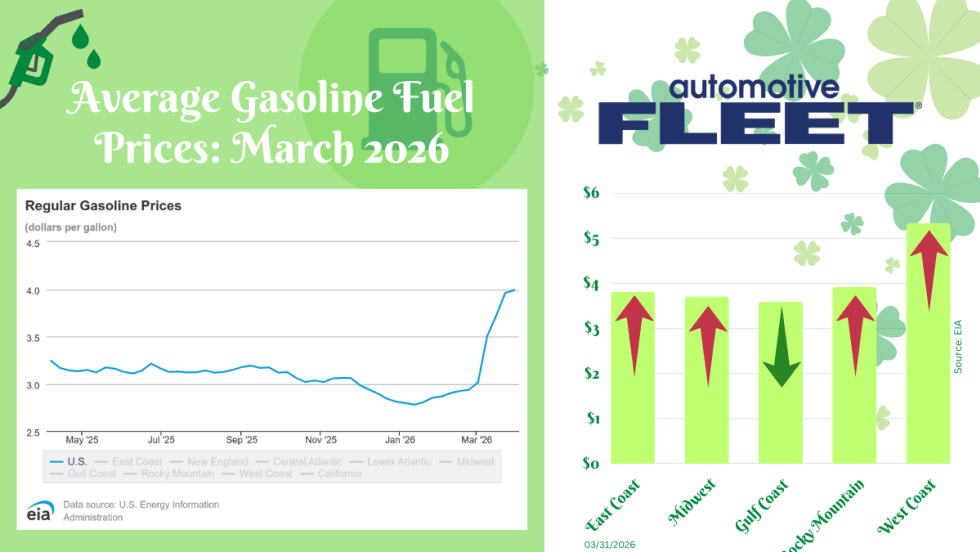
March Fuel Update: Prices Settle With a $4 Average
Fuel prices significantly slowed this week, but a $4 national average is still expected.
Read More →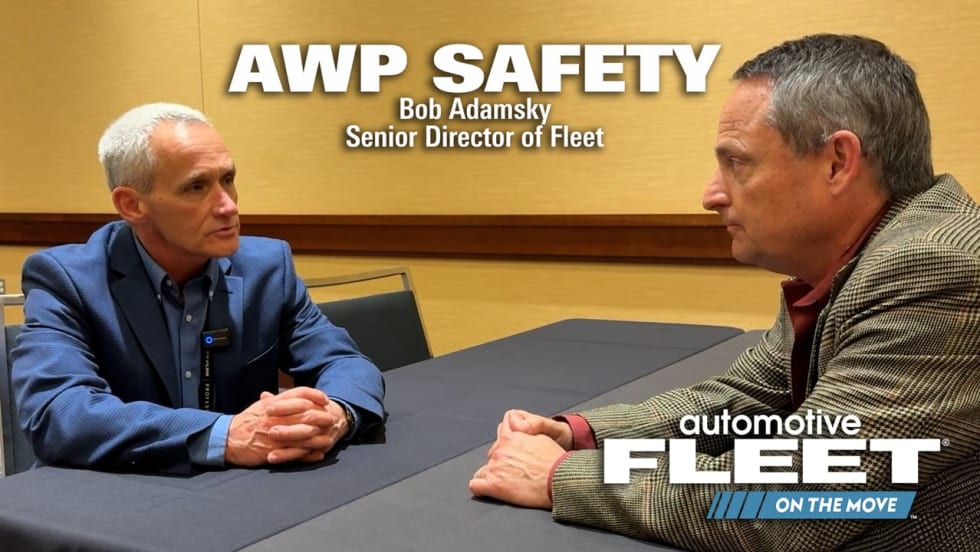
Bob Adamsky on Fuel Volatility: “Don’t Panic — Have a Plan”
With oil prices rising again, AWP Safety’s fleet manager shares how to respond to rising fuel costs and how the right strategy can turn fuel spikes into cost-saving opportunities.
Read More →
Oil Market Turbulence Is Complicating Fleet Cost Planning
Rapid swings in crude oil prices driven by the conflict in the Middle East could create longer-term cost pressures for fleets, affecting fuel prices, supply chains, and vehicle strategy, says NTEA’s Andrew Wrobel.
Read More →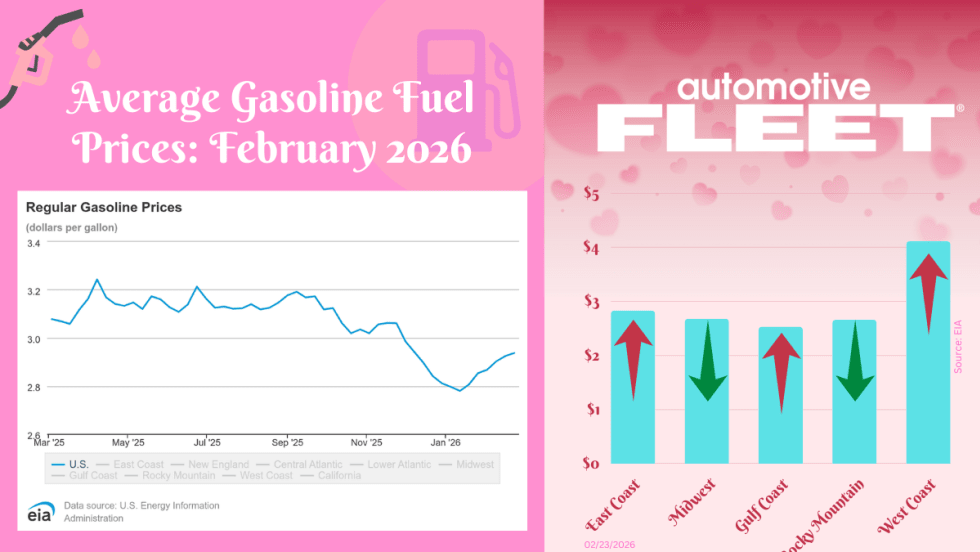
February Fuel Update: Prices Inch Higher for Third Week in a Row
The final February fuel update reveals prices continuing to inch higher for the third week in a row.
Read More →