




Arizona Opens Up Carpool Lanes to Some Hybrids
PHOENIX --– Arizona Gov. Janet Napolitano announced that several types of fuel-efficient hybrid cars will now be allowed to use the carpool lanes on the state highways, even when the driver has no passengers.
PHOENIX --– Arizona Gov. Janet Napolitano announced that several types of fuel-efficient hybrid cars will now be allowed to use the carpool lanes on the state highways, even when the driver has no passengers. Typically, use of those lanes is restricted to vehicles carrying multiple passengers. Under the new Energy Efficient Pilot Program, however, qualified hybrids -– even with a lone driver -– will also be able to occupy the carpool lanes. The pilot is part of the governor's Clean Air Initiative and begins immediately. "We’re using a variety of strategies to begin to clear the air in Arizona," said Napolitano. "Drivers who make the commitment to clean air and energy efficiency will get an easier commute. That seems like a good trade to me." Vehicles that are able to achieve a 45 percent increase in combined city/highway fuel efficiency are eligible to participate in the program. Currently, three types of vehicles qualify: the Honda Insight, the Honda Civic Hybrid and the Toyota Prius. Owners of those cars will need to apply for the program through the Motor Vehicle Division of the Arizona Department of Transportation. Once admitted to the pilot, owners will receive a special license plate, as well as a special sticker indicating the car is a part of the pilot. The program is limited to 10,000 vehicles on a first-come, first served basis. There are currently approximately 9,000 of these types of cars registered in Arizona. The pilot program will remain in place while the EPA continues its long-term rule-making process for the use of high-occupancy vehicle lanes. The change also affects drivers of bi-fuel vehicles. Under the terms of the pilot, and according to federal law, bi-fuel vehicles operating with only the driver on-board will no longer be allowed to use the carpool lanes. Any vehicle carrying two or more people will continue to be allowed to use the special lanes. Within 90 days, the state Motor Vehicle Division (MVD) will issue bi-fuel owners a new bi-fuel plate; owners will be expected to destroy their current alternative fuel plate. This change does not impact bi-fuel owners' reduced vehicle license taxes.
More Fuel
Fuel Prices Surge in September | September Fuel Update
September brought major fuel price swings, including diesel crossing $6 a gallon. Here’s how gas and diesel prices changed throughout the month, and where they stood heading into October.
Read More →
Turning Fleet Payment Data into Executive Insights
Ramel Lindsay of U.S. Bank Voyager discusses how fleets can transform payment and transaction data into actionable intelligence to reduce costs, improve oversight, and support executive decision-making.
Read More →
Why the IRS Raised Its Mileage Rate in the Middle of 2026
Fuel-price volatility drove the rare increase to 76 cents per mile, the fifth midyear adjustment since 2000.
Read More →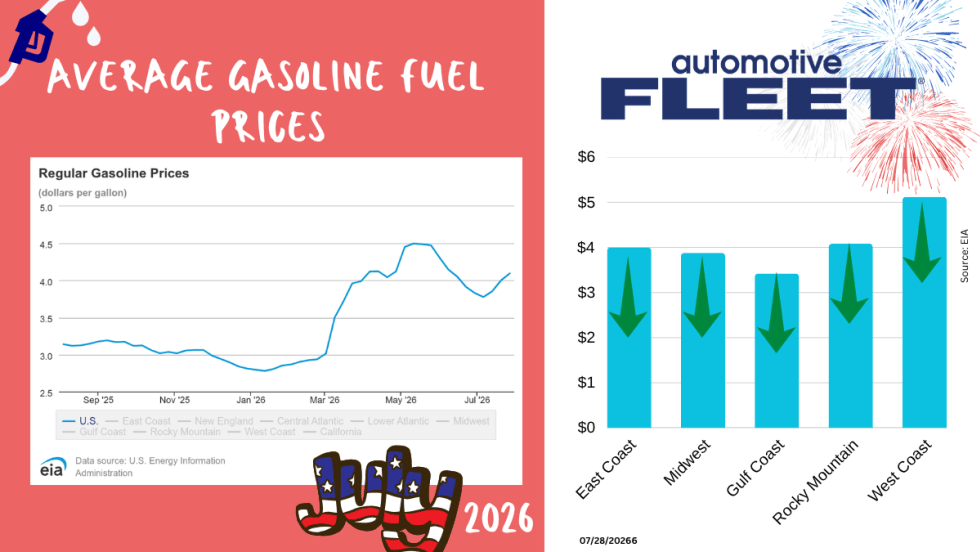
July Fuel Update: Prices Keep Rising in Light of More Conflict
Gas prices continue to rise as more and more conflicts do, too.
Read More →
Bob Adamsky on Fuel Volatility: "Don't Panic, Have a Plan."
When it comes to up and down fuel prices, Adamsky has a message for fleets: “Don’t panic.”
Read More →
How Fleets Can Gain Control of Non-Fuel Spend
Fuel often gets the spotlight, but non-fuel expenses can have a major impact on fleet costs. Ramel Lindsay of U.S. Bank Voyager discusses how fleets can gain better visibility and control over these often-overlooked expenditures.
Read More →
Fuel is Just the Start: How Middle East Tensions are Driving Up Fleet Maintenance Costs
The Middle East conflict is doing more than pushing up fuel prices. It’s also raising the cost of key maintenance products your fleet depends on, from motor oil to tires to windshield wipers. Here’s what you need to know about this budget-busting situation.
Read More →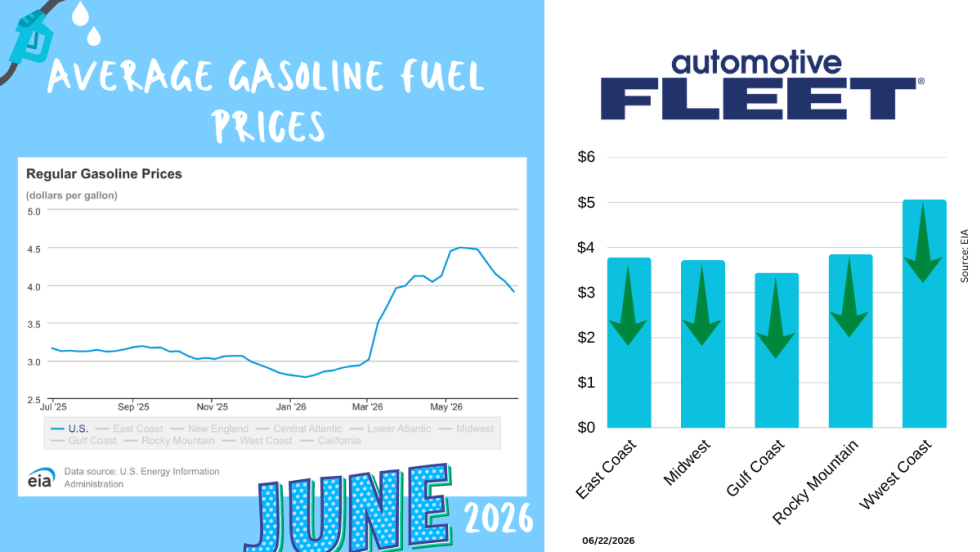
June Fuel Update: Prices Fall Below $4
Drivers are finally getting some relief at the pump. The national average gas price has dropped below $4 a gallon for the first time in months, with prices falling in 47 states as oil markets react to developments in U.S.-Iran negotiations.
Read More →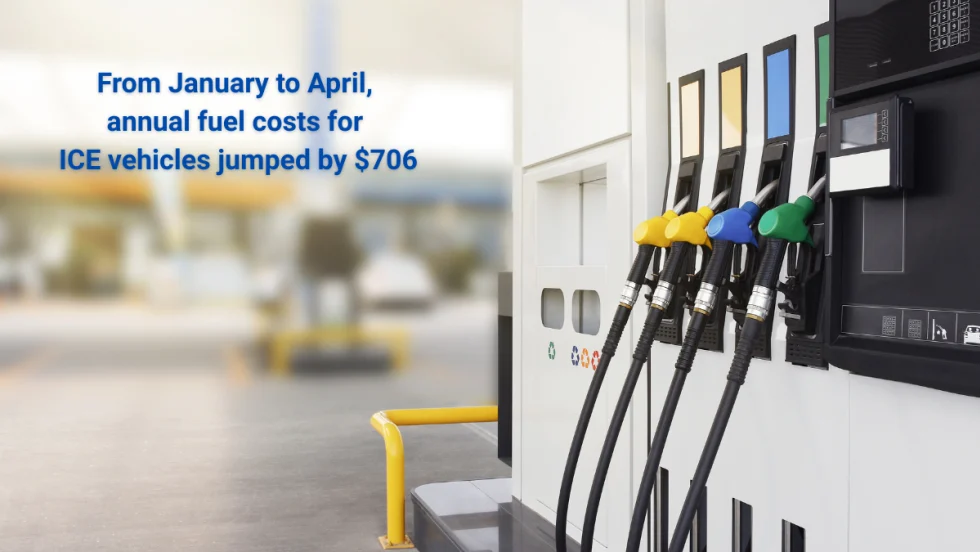
Study: How 2026's Gas Price Hikes Affect Different Vehicle Types
New data from iSeeCars reveals how rising fuel costs have affected different vehicle segments as gasoline prices climbed nearly 46% over the past four months.
Read More →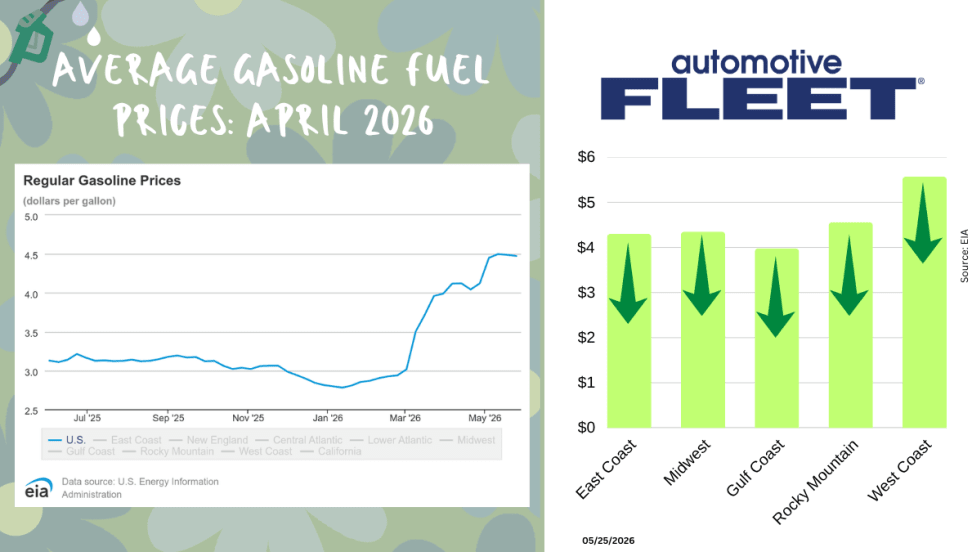
May Fuel Update: All Regions Experience Declines
Gas prices are finally easing in much of the country, but experts warn global tensions could quickly reverse the trend as the national average remains well above last month’s levels.
Read More →