




Alliance AutoGas Unveils Propane Fuel Management Dispenser
Alliance AutoGas has announced that its new Fuel Management Dispenser System is now available to fleet customers.
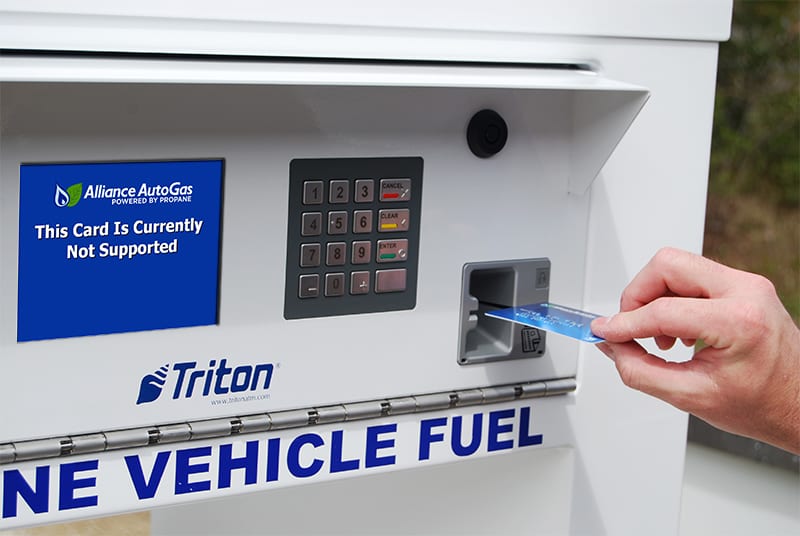
Photo: Alliance AutoGas
Photo: Alliance AutoGas
Alliance AutoGas has announced that its new Fuel Management Dispenser System is now available to fleet customers. The new dispenser system, called the T3MR Fleet Fuel Management System, provides numerous enhancements including a card reader system, data management, real-time communications and a world leading ultra low-emission fueling nozzle. The system will provide fleet managers with the ability to better monitor and control fuel inventories in real time, according to Alliance AutoGas.
The Alliance AutoGas T3MR Fleet Fuel Management System is based on industry platforms Comdata, Superior Energy Systems and global ATM manufacturer Triton Systems. The unit integrates cellular-based communications, a simple user interface in a clean design dispenser cabinet with reliable hardware and offers remotely upgradable software, a ticket printer and customizable reporting for fleets of all sizes, according to the company.
The T3MR Ccommunications Platform connects the dispensers via cellular wireless internet with multi- level user security and 24/7 monitoring. Minimal additional infrastructure requirements will be needed at the fueling site, providing a fleet manager comprehensive user-friendly reporting, and a highly available data and processing function utilizing a widely used and accepted payment platform.
“Previously, the propane autogas fueling experience for fleets has been less than optimal as no centralized fueling authorization platform has been available,” noted Stuart Weidie, president of Alliance AutoGas. “The fleets associated with Alliance AutoGas will now have the option of not only having access to real-time management data but also the security that vehicle operators will be using the safest autogas nozzle in the world – the Staubli which emits only 0.4 cc’s of fuel when disconnecting. We are pleased to be able to bring this technology to our fleets.”
More Fuel
Fuel Prices Surge in September | September Fuel Update
September brought major fuel price swings, including diesel crossing $6 a gallon. Here’s how gas and diesel prices changed throughout the month, and where they stood heading into October.
Read More →
Turning Fleet Payment Data into Executive Insights
Ramel Lindsay of U.S. Bank Voyager discusses how fleets can transform payment and transaction data into actionable intelligence to reduce costs, improve oversight, and support executive decision-making.
Read More →
Why the IRS Raised Its Mileage Rate in the Middle of 2026
Fuel-price volatility drove the rare increase to 76 cents per mile, the fifth midyear adjustment since 2000.
Read More →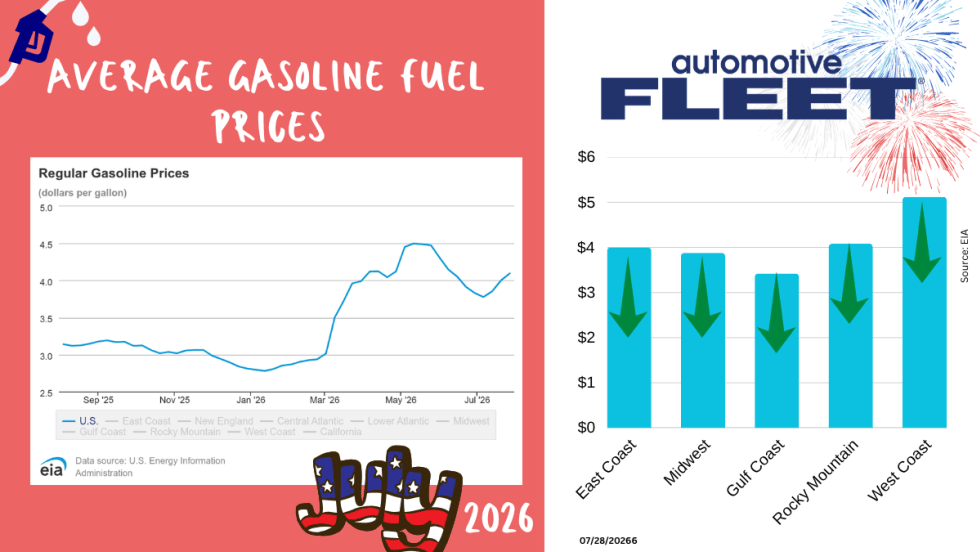
July Fuel Update: Prices Keep Rising in Light of More Conflict
Gas prices continue to rise as more and more conflicts do, too.
Read More →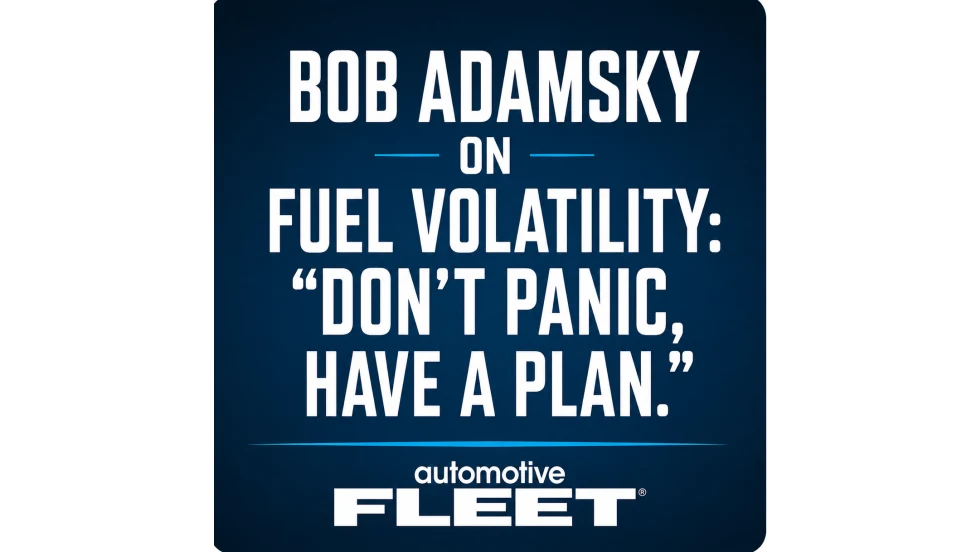
Bob Adamsky on Fuel Volatility: "Don't Panic, Have a Plan."
When it comes to up and down fuel prices, Adamsky has a message for fleets: “Don’t panic.”
Read More →
How Fleets Can Gain Control of Non-Fuel Spend
Fuel often gets the spotlight, but non-fuel expenses can have a major impact on fleet costs. Ramel Lindsay of U.S. Bank Voyager discusses how fleets can gain better visibility and control over these often-overlooked expenditures.
Read More →
Fuel is Just the Start: How Middle East Tensions are Driving Up Fleet Maintenance Costs
The Middle East conflict is doing more than pushing up fuel prices. It’s also raising the cost of key maintenance products your fleet depends on, from motor oil to tires to windshield wipers. Here’s what you need to know about this budget-busting situation.
Read More →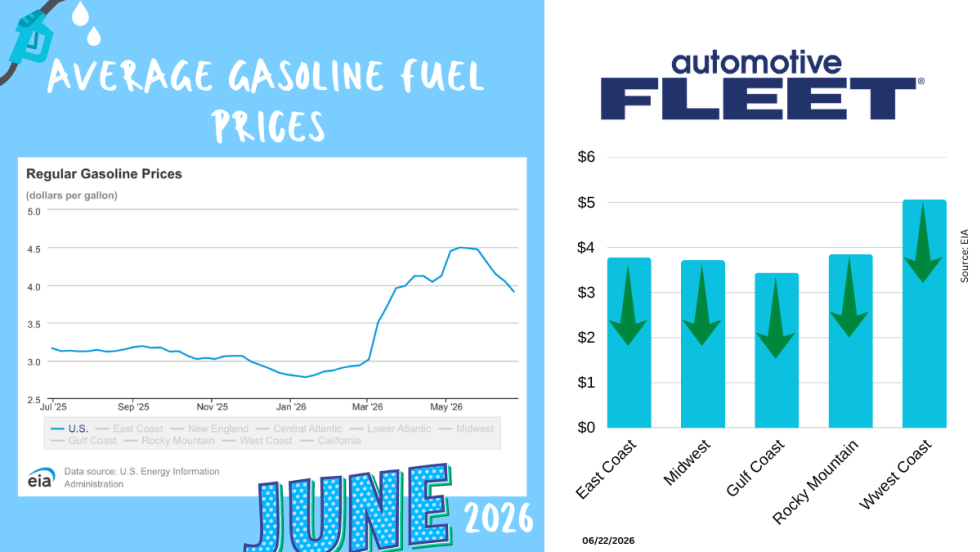
June Fuel Update: Prices Fall Below $4
Drivers are finally getting some relief at the pump. The national average gas price has dropped below $4 a gallon for the first time in months, with prices falling in 47 states as oil markets react to developments in U.S.-Iran negotiations.
Read More →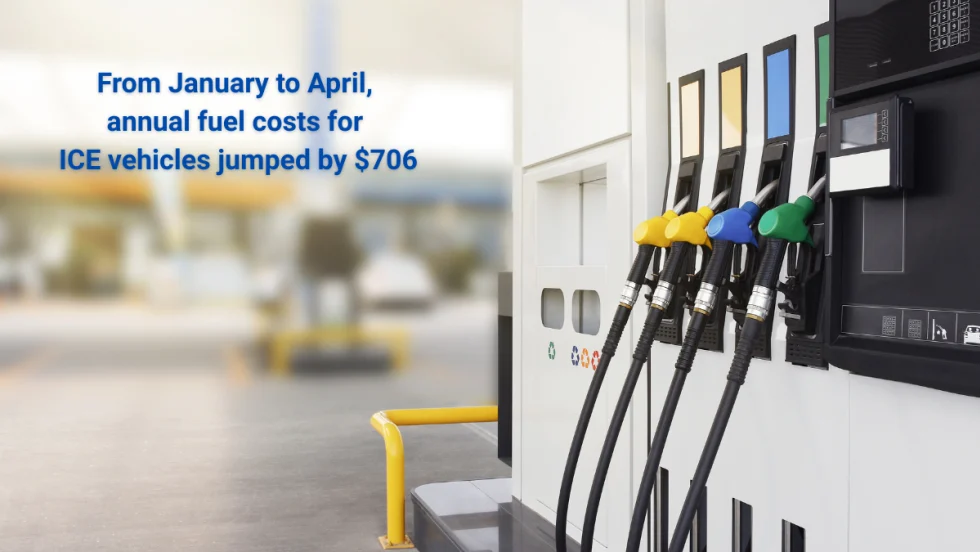
Study: How 2026's Gas Price Hikes Affect Different Vehicle Types
New data from iSeeCars reveals how rising fuel costs have affected different vehicle segments as gasoline prices climbed nearly 46% over the past four months.
Read More →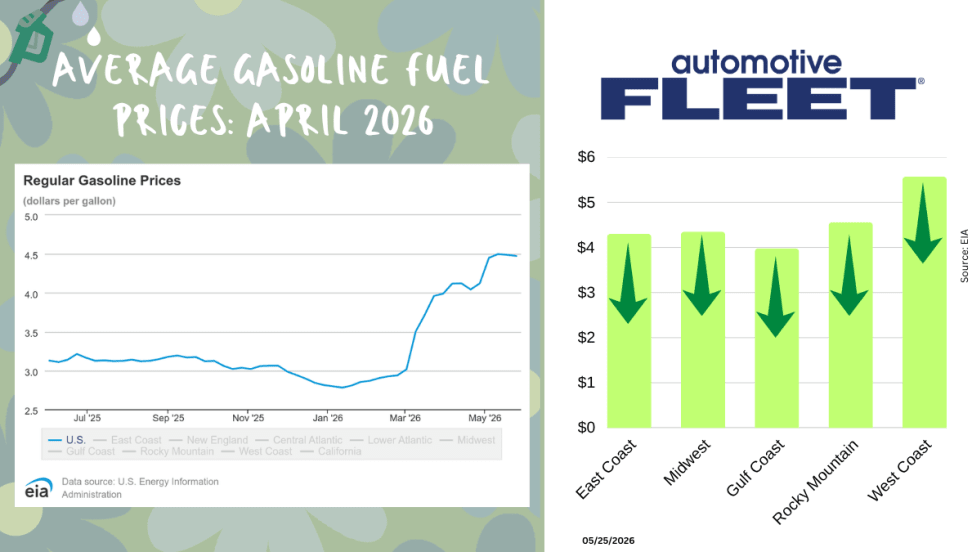
May Fuel Update: All Regions Experience Declines
Gas prices are finally easing in much of the country, but experts warn global tensions could quickly reverse the trend as the national average remains well above last month’s levels.
Read More →