




Alliance Autogas Ride Hits Oklahoma City
The Alliance AutoGas converted Ford F-150 is halfway through its 5,500-mile 12-city “Alliance AutoGas Coast-to-Coast Clean Air Ride.”
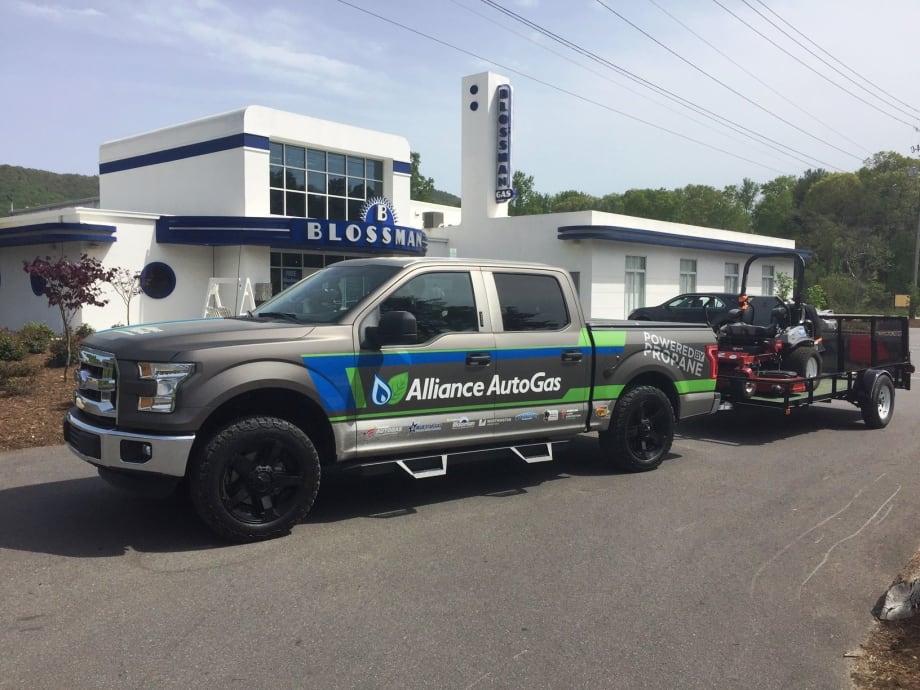
The Ford F-150 leaves Asheville, heading on to Oklahoma City. (PHOTO: Alliance Autogas)
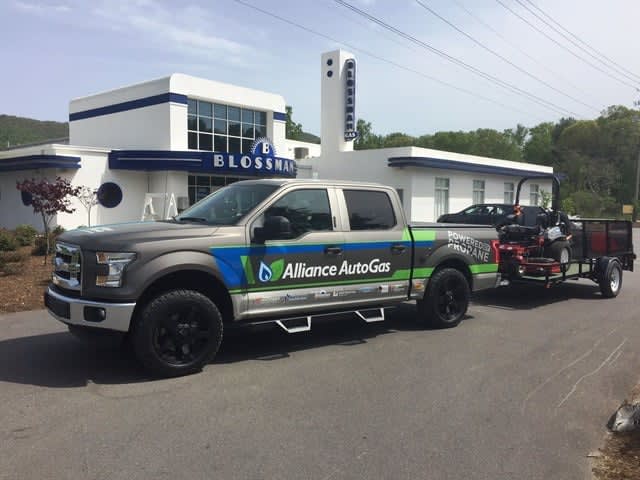
The Ford F-150 leaves Asheville, heading on to Oklahoma City. (PHOTO: Alliance Autogas)
Fresh from setting a record for the Fastest Recorded Alternative Fuel Conversion to propane autogas in 1:32:25, the Alliance AutoGas converted Ford F-150 is halfway through its 5,500-mile 12-city “Alliance AutoGas Coast-to-Coast Clean Air Ride.”
An event is being hosted by the Central Oklahoma Clean Cities Coalition with the Association of Central Oklahoma Governments (ACOG) in conjunction with the Oklahoma Propane Gas Association, Pinnacle Propane, and Alliance AutoGas.
Eric Pollard, Central Oklahoma Clean Cities Coalition Coordinator with the Association of Central Oklahoma Governments (ACOG) notes, “Propane is a great option for Oklahoma fleets that powers everything from forklifts to heavy duty trucks. Propane can offer life cycle greenhouse (GHG) emissions benefits over conventional fuels as well as lower emissions of the criteria pollutants that contribute to ozone.”
Alliance’s new Engineered Conversion System on a Bi-Fuel 2016 3.5L Ford F-150 V-6 was converted to propane autogas almost 30 minutes faster than the predicted two-hour window at the recent Work Truck Show in Indianapolis. The F-150 is now “traveling the talk” on a 5,500 mile U.S. coast-to-coast trip that started May 2, trailering a propane autogas mower. The mower is a 2013 Exmark Lazer Z Ultra Cut 60. It is powered by a 25.5 horsepower Kawasaki FX801 V-Twin gasoline engine, converted to propane autogas by Alliance Small Engines.
The goal of the F-150’s trip is to underscore the importance and impact of reducing CO2 emissions through the use of propane autogas. According to Alliance AutoGas, “We want people to see first-hand, how simple and easy it is to convert a vehicle, how well it runs, and a how it gives the fleet manager a well-documented return,” noted Ed Hoffman, President of Blossman Services, Inc.
Stuart Weidie, president and CEO or Blossman Gas and president of Alliance AutoGas added, “The cross country trip in Alliance Autogas’ Ford F150 will be a great opportunity to demonstrate why propane Autogas is the world’s #1 alternative fuel. We hope to educate citizens across the country about the extended range of autogas vehicles as well as the benefits of real costs savings and emissions reductions.”
The Alliance AutoGas Engineered Fuel System features a single plug wiring connector and a 21-gallon underbody autogas tank. All wiring is a “plug and play” no-cut install. Everything is bracketed and designed to be installed without any drilling or fabrication. By deploying these features, labor times and conversion costs are significantly reduced.
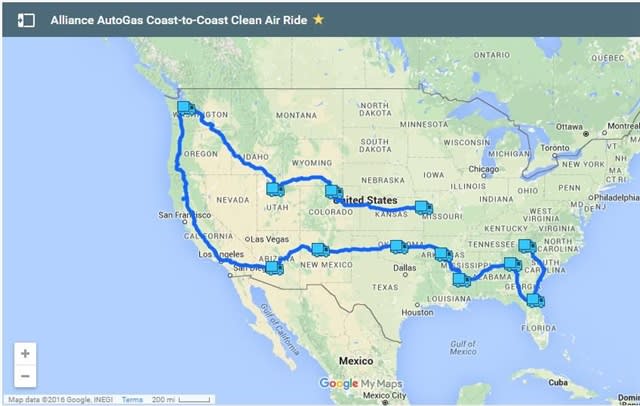
Alliance Autogas is taking it's converted Ford F-150 on a coast-to-coast road trip. (IMAGE: Alliance Autogas)
For more information about the Coast-to-Coast Clean Air Ride visit www.allianceautogas.com/resources/coast-to-coast-clean-air-ride/.
More Fuel
Fuel Prices Surge in September | September Fuel Update
September brought major fuel price swings, including diesel crossing $6 a gallon. Here’s how gas and diesel prices changed throughout the month, and where they stood heading into October.
Read More →
Turning Fleet Payment Data into Executive Insights
Ramel Lindsay of U.S. Bank Voyager discusses how fleets can transform payment and transaction data into actionable intelligence to reduce costs, improve oversight, and support executive decision-making.
Read More →
Why the IRS Raised Its Mileage Rate in the Middle of 2026
Fuel-price volatility drove the rare increase to 76 cents per mile, the fifth midyear adjustment since 2000.
Read More →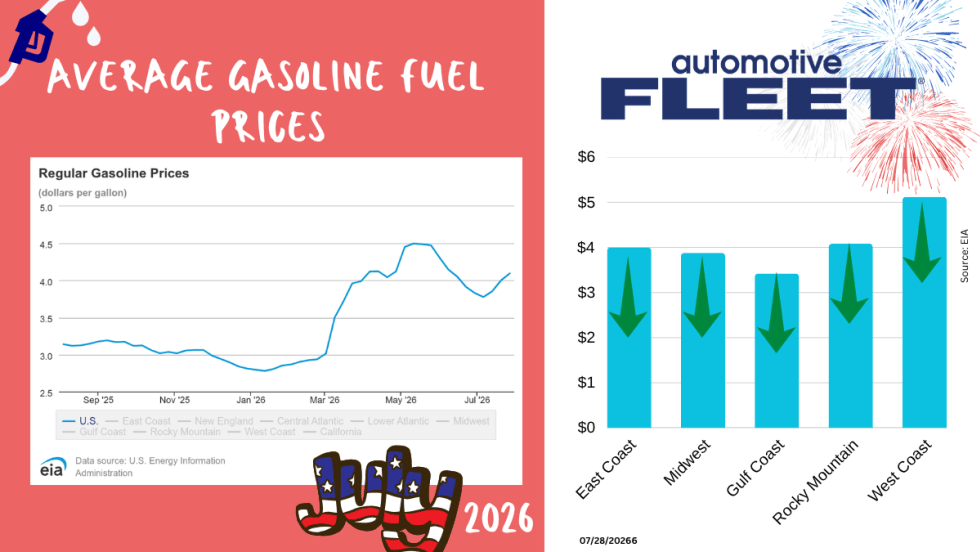
July Fuel Update: Prices Keep Rising in Light of More Conflict
Gas prices continue to rise as more and more conflicts do, too.
Read More →
Bob Adamsky on Fuel Volatility: "Don't Panic, Have a Plan."
When it comes to up and down fuel prices, Adamsky has a message for fleets: “Don’t panic.”
Read More →
How Fleets Can Gain Control of Non-Fuel Spend
Fuel often gets the spotlight, but non-fuel expenses can have a major impact on fleet costs. Ramel Lindsay of U.S. Bank Voyager discusses how fleets can gain better visibility and control over these often-overlooked expenditures.
Read More →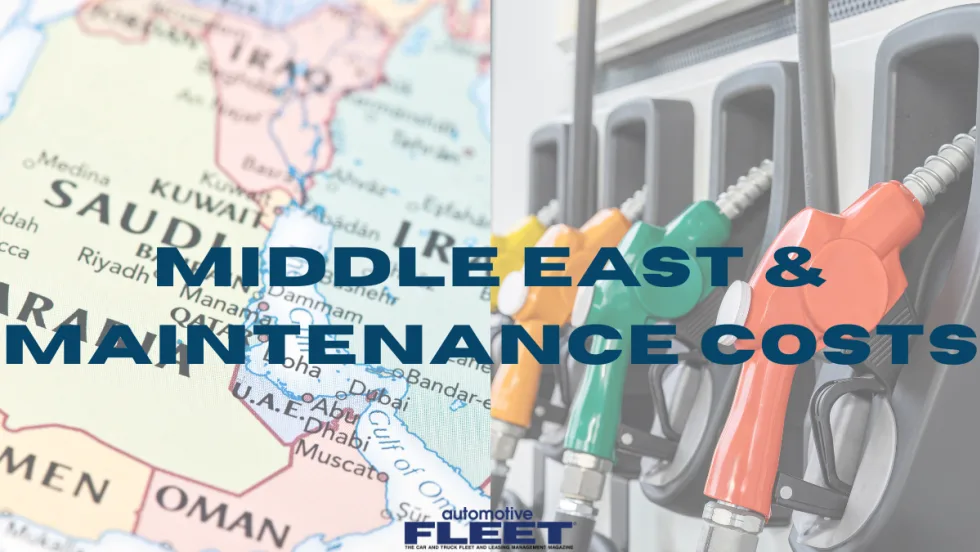
Fuel is Just the Start: How Middle East Tensions are Driving Up Fleet Maintenance Costs
The Middle East conflict is doing more than pushing up fuel prices. It’s also raising the cost of key maintenance products your fleet depends on, from motor oil to tires to windshield wipers. Here’s what you need to know about this budget-busting situation.
Read More →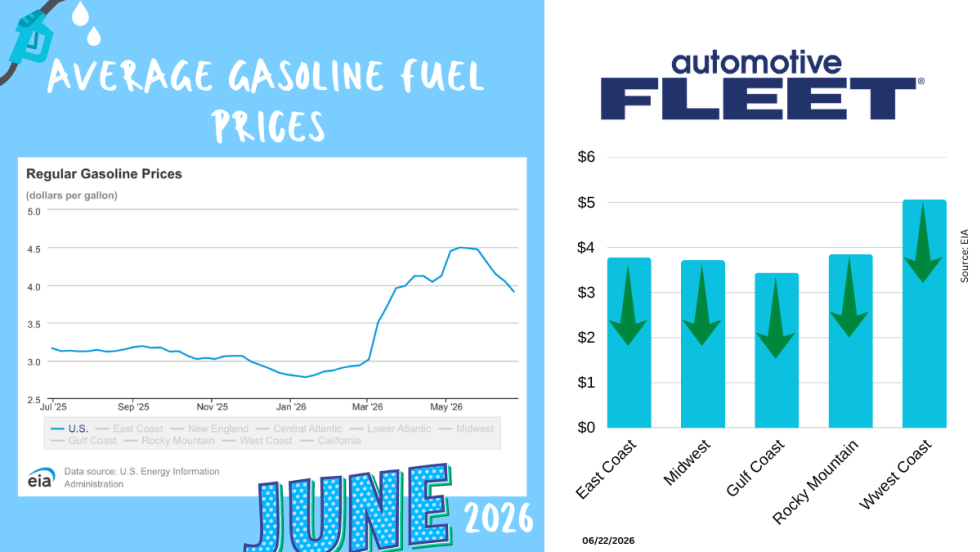
June Fuel Update: Prices Fall Below $4
Drivers are finally getting some relief at the pump. The national average gas price has dropped below $4 a gallon for the first time in months, with prices falling in 47 states as oil markets react to developments in U.S.-Iran negotiations.
Read More →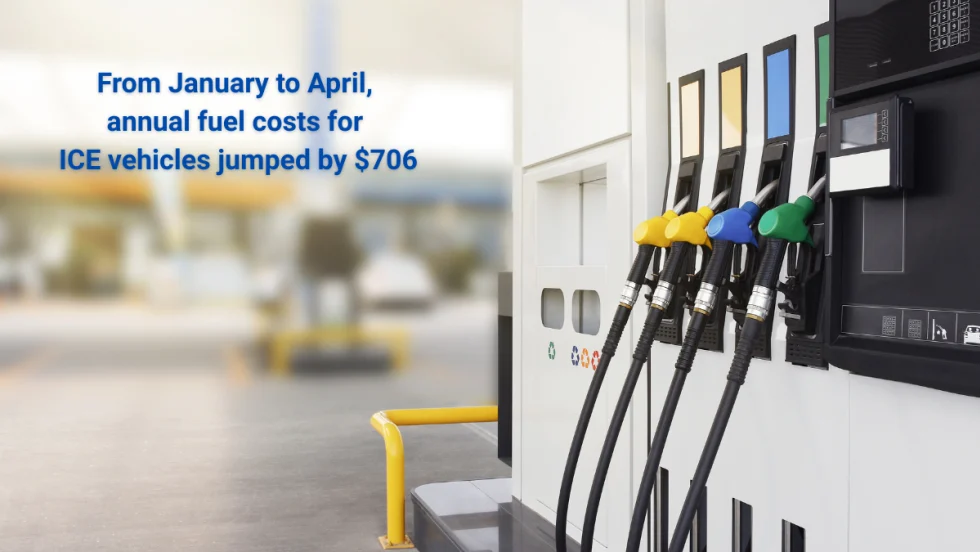
Study: How 2026's Gas Price Hikes Affect Different Vehicle Types
New data from iSeeCars reveals how rising fuel costs have affected different vehicle segments as gasoline prices climbed nearly 46% over the past four months.
Read More →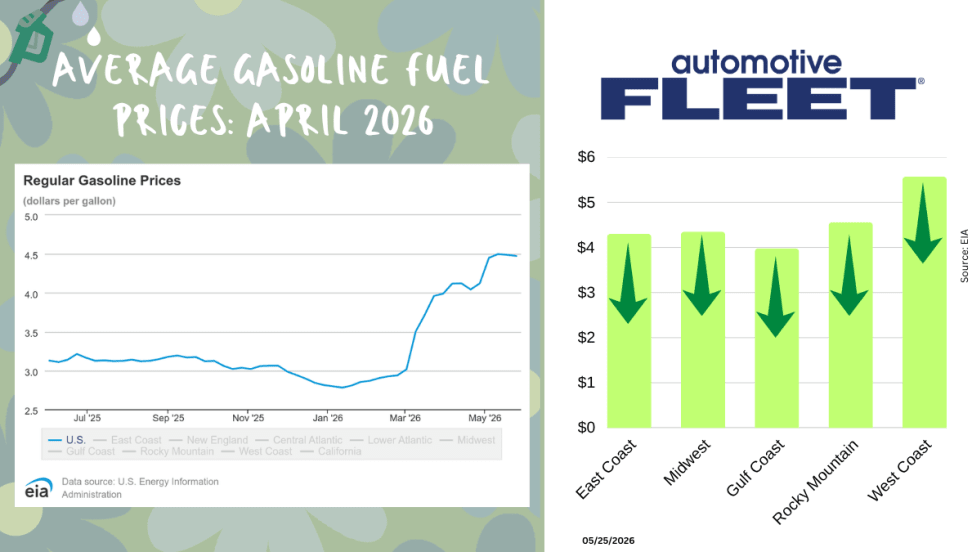
May Fuel Update: All Regions Experience Declines
Gas prices are finally easing in much of the country, but experts warn global tensions could quickly reverse the trend as the national average remains well above last month’s levels.
Read More →