




SACRAMENTO, Calif. --- A coalition of 10 state and national aftermarket trade associations has filed a lawsuit against the California Air Resources Board (CARB), challenging proposed regulations that would require automakers to extend warranties on emissions-related parts. One of the plaintiffs filing the lawsuit is the Automotive Service Association (ASA). "The action by CARB to extend warranties to the useful life will cause extensive economic damage to independent aftermarket service facilities in the state and is unlikely to provide any real clean air or consumer benefit," said Jackie Miller, executive director of Automotive Service Councils of California, another plaintiff in the case. "Because car owners will have no idea whether a needed repair that is indicated by the malfunction indicator light is covered by the extended warranty, motorists will return to the dealer for nearly all repairs." The lawsuit argues that CARB provided no solid evidence that extending emissions warranties will more effectively motivate automakers to build more durable emisions systems or motivate drivers to seek emissions-related repairs when needed. The CARB proposal seeks to extend emissions parts' warranties to 10 years or 120,000 miles for most cars.
Aftermarket Coalition Sues Calif. Air Resources Board
SACRAMENTO, Calif. --- A coalition of 10 state and national aftermarket trade associations has filed a lawsuit against the California Air Resources Board (CARB), challenging proposed regulations that would require automakers to extend warranties on emissions-related parts.
More Safety

Reducing Risk by Eliminating Phone Use Behind the Wheel
Distracted driving remains one of the most persistent risks in fleet operations. New approaches focus on removing mobile device use entirely while adding real-time safety support.
Read More →
Distracted Driving in the Age of Smart Tech – Part 2
As distraction risks evolve, fleets are turning to smarter, more connected technologies to better understand what’s happening behind the wheel. Part 2 explores how these tools are helping identify risky behaviors and improve visibility across operations.
Read More →
Data Rights, Risks, and Responsibilities After a Crash
What fleets capture to improve safety can also expose them in litigation, forcing leaders to rethink how data is managed, stored, and shared.
Read More →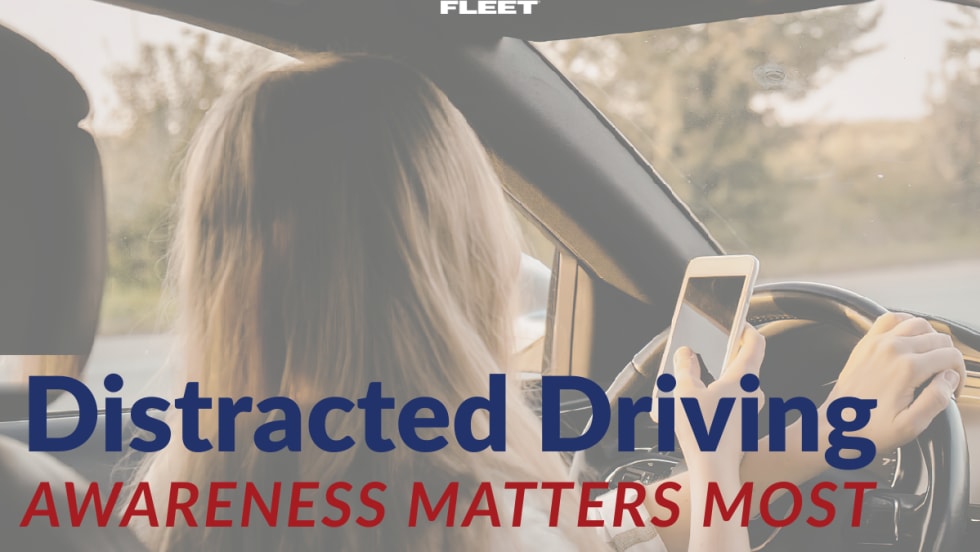
From Distraction to Detection: Strengthening Awareness in Fleet Drivers
Distracted driving is often measured by what we can see—phones in hand, eyes off the road. But what about the distractions we can’t? A recent incident raises a bigger question about awareness, attention, and why subtle risks so often go unnoticed.
Read More →
Lytx 2026 Road Safety Report
While serious crashes are declining, a rise in minor incidents and ongoing risk hotspots underscore the need for continued fleet safety investment.
Read More →
Behind-the-Wheel vs. Classroom Training: What Actually Changes Driver Behavior?
Fleets have more driver data than ever, so why isn't behavior changing? Training requires more than reports and coaching — it requires real-world practice.
Read More →
Distracted Driving in the Age of Smart Tech – Part 1
A two-part conversation with Stefan Heck on how AI is transforming the fight against distracted driving. As fleets adopt smarter tools, the focus shifts from reacting to preventing risk. In Part 1, we look at where AI is making an impact for fleets today.
Read More →
Pedestrian Safety Starts With the Driver
More people on foot means more risk for drivers. These pedestrian safety tips can help prevent serious injuries and keep everyone safer on the road.
Read More →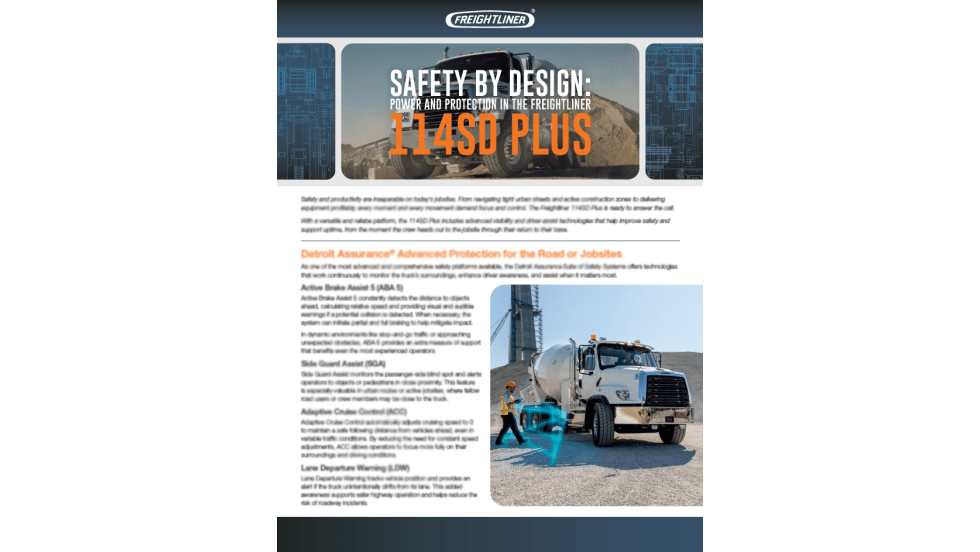
Safety by Design: Power and Protection in the Freightliner 114SD Plus
Fleet managers are under pressure to reduce accidents, control costs, and improve operational efficiency. See how advanced vehicle safety technologies are helping fleets operate smarter and safer.
Read More →
Pedestrian Deaths Drop in First Half of 2025, Marking Largest Decline in Years
An 11% drop in pedestrian fatalities in early 2025 signals progress in U.S. road safety, but elevated death rates and ongoing risks underscore the need for continued action from fleets and policymakers.
Read More →