




Added Capabilities Underway for Teletrac's Turn-By-Turn Automated Navigation System
ARLINGTON, TX – Teletrac, Inc., the developer of Fleet Director, a fully-integrated GPS-based commercial vehicle tracking and fleet management system, is developing several new options for Fleet Director's automated navigation product.
ARLINGTON, TX – Teletrac, Inc., the developer of Fleet Director, a fully-integrated GPS-based commercial vehicle tracking and fleet management system, is developing several new options for Fleet Director's automated navigation product. Real-time, fully automated, voice communicated traffic information will be available to supplement the voice prompt, real-time, speed-calibrated driving instructions.
Powered by NAVTEQ Traffic, Fleet Director provides routing information based upon sources such as proprietary and government sensors, proprietary incident data, and probe data. Throughout the trip, the system then monitors traffic conditions and automatically contacts the vehicle if a better route develops due to changing traffic conditions. All route calculations are performed by Teletrac-hosted servers from which the information is downloaded to the vehicle. This configuration allows the most current map data to always be available without requiring any customer involvement.
Within the Fleet Director system, it is also possible to designate whether a vehicle is a Class 8 truck or not. When a Class 8 tractor is assigned a destination, the Fleet Director software then automatically calculates a route taking into account NAVTEQ Transport truck attributes such as height, weight, and width restrictions and preferred designated "truck routes."
[PAGEBREAK]
Teletrac is also developing an additional option for destination selection and route loading. At present, the Fleet Director dispatcher assigns the call and implements downloading of the information to the driver. The new option will allow the driver to input the destination information and activate the download. Using a touch screen monitor, the driver enters the destination address and then activates the download. Teletrac is also pursuing the development of a similar capability for its in-cab message display terminal.
By knowing each vehicle's location and status, companies can control and reduce their fuel consumption levels with more efficient dispatching, the monitoring of vehicle speeds, and controlling out-of-route miles. Automated navigation, when combined with routing that takes traffic situations into consideration, provides an additional tool to help reduce fuel usage. By routing vehicles around areas where traffic delays routinely occur, and rerouting them when accidents disrupt normal patterns, vehicles are kept moving instead of stopped in traffic. This not only helps improve a fleet's MPG averages, but also can help reduce a fleet's carbon footprint and the higher maintenance costs that come with excessive idling. A 2007 survey of Teletrac customers showed average fuel savings of 13 percent. Individual reported savings ranged from five percent to 30 percent.
Final field testing of the new enhancements is currently being completed. Teletrac plans to have the products available during the third quarter of 2008.
Visit www.teletrac.net for more information.
More Telematics
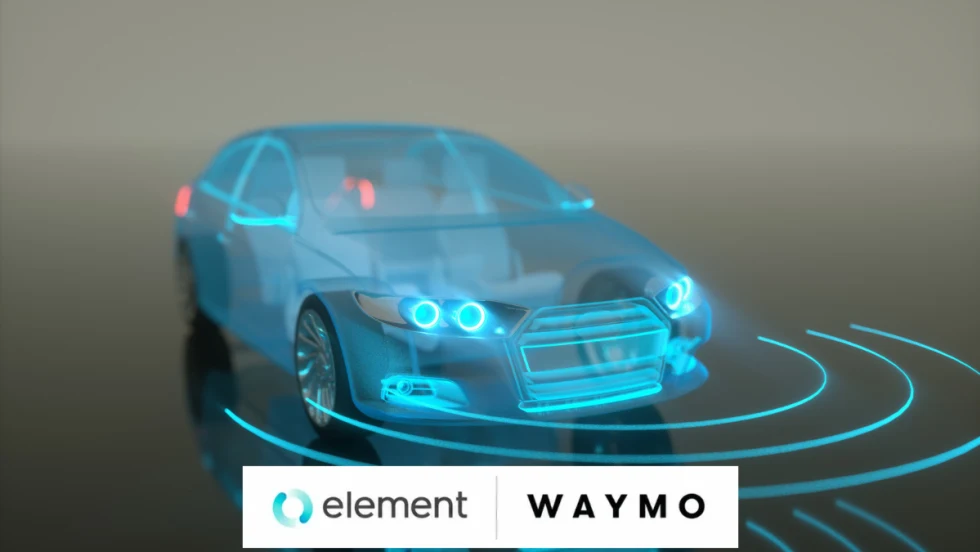
Element Expands Waymo Partnership to Support Toronto Robotaxi Fleet
As Waymo prepares to enter the Canadian market, Element Fleet Management will oversee the fleet operations supporting its planned Toronto launch. The partnership highlights the maintenance, charging, and infrastructure requirements behind operating autonomous vehicles at scale.
Read More →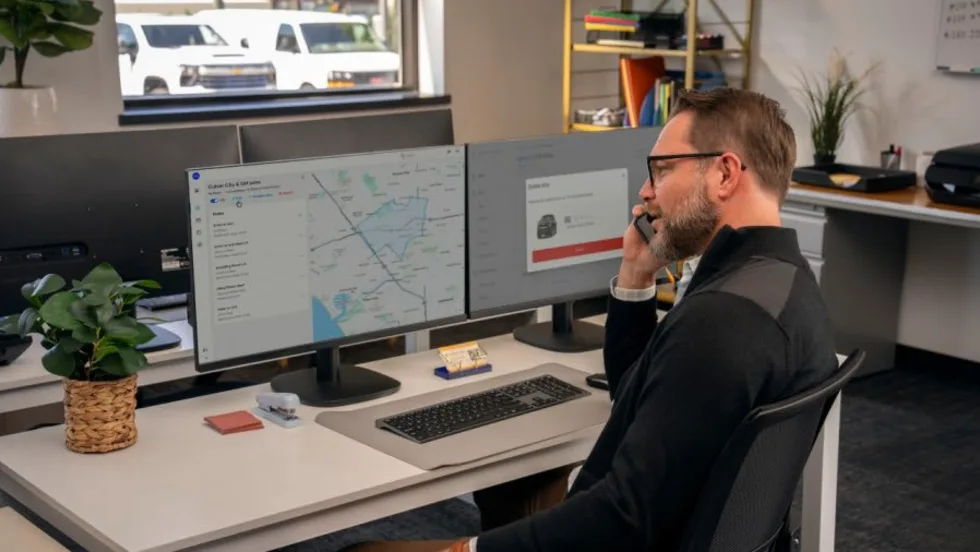
GM Launches OnStar Fleet Intelligence Platform With AI Assistant
The new platform brings vehicle data, order tracking, connected services and fleet analytics into one system, with an AI assistant that can answer fleet questions using natural-language prompts.
Read More →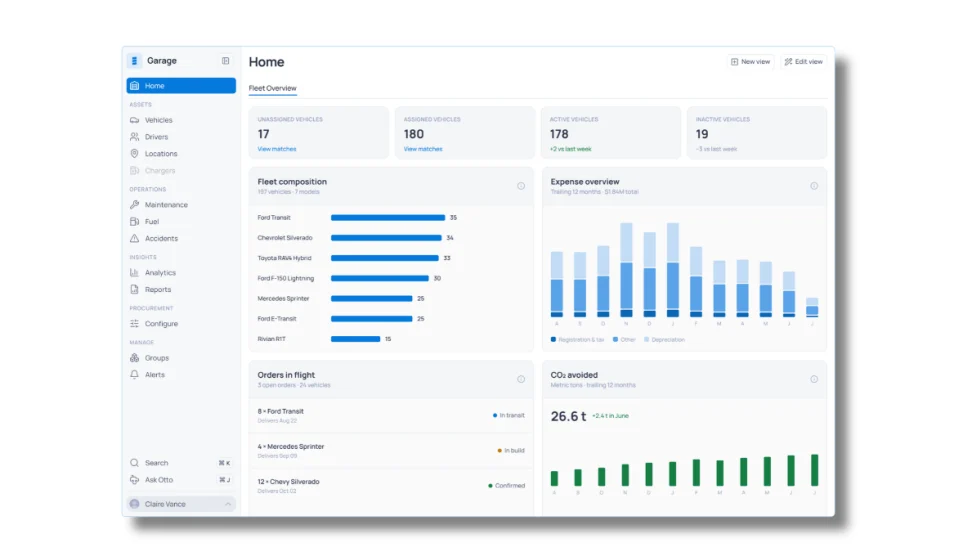
Inspiration Fleet Introduces Garage 2.0 Fleet Intelligence Platform
Fleet managers increasingly have access to data from vehicles, telematics, fuel, charging, and other systems, but those sources don't always communicate with one another. Inspiration Fleet's Garage 2.0 platform brings that information together while letting fleets keep working with different technology and service providers.
Read More →
Inside Inspiration Fleet’s New Platform for Connecting Fleet Data
Inspiration Fleet CTO Chris Getner explains how the new Garage 2.0 platform is designed to connect disparate fleet data and what that could mean for fleet managers in practice.
Read More →
Fleet Manager’s Ultimate Playbook: Navigating the New Standard in OEM Connectivity
Rising operating costs, driver safety concerns, and unplanned downtime are putting unprecedented pressure on modern fleets. Discover how fleet managers use embedded OEM connectivity and real-time vehicle data to cut TCO, prevent downtime, and protect drivers without aftermarket telematics hardware.
Read More →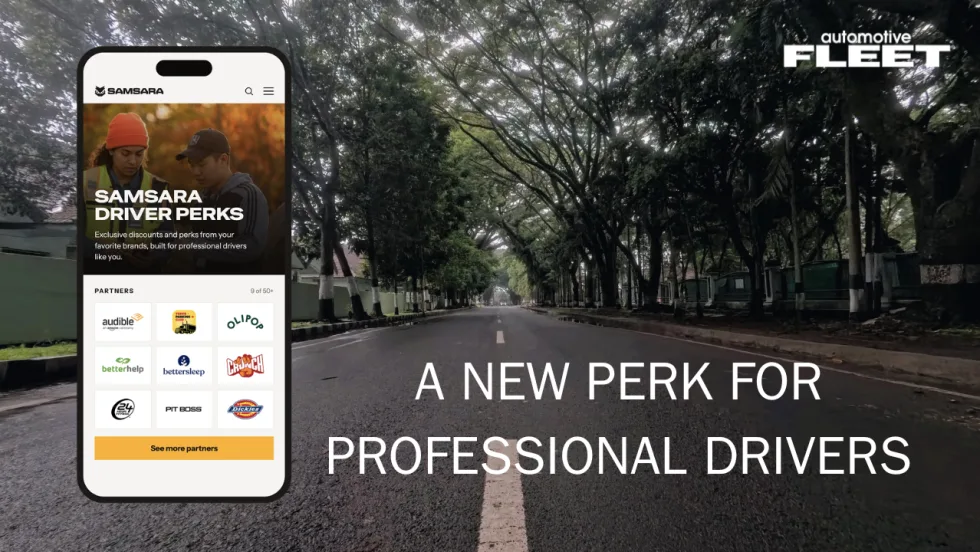
Samsara Driver Perks Adds New Benefit for Corporate Fleet Drivers
The rewards program gives eligible professional drivers access to discounts from more than 50 brands while giving fleets another way to support recruitment, retention, and the driver experience.
Read More →
Inside the Church of Jesus Christ of Latter-day Saints’ Two-Track Telematics Strategy
With 20,000 vehicles and two fundamentally different driver populations, the Church faced a fleet management problem that a single telematics program couldn't solve. How it responded offers a replicable framework for any fleet where one size doesn't fit every driver.
Read More →
How Conversational AI Can Make Fleet Tasks Easier for Drivers
While most generative AI tools help fleet managers interpret data at their desks, Connex2X is applying voice interaction to tasks behind the wheel.
Read More →
Why Fleets Are Creating Dedicated Fleet Analyst Positions
Are fleet analyst positions the new norm? Listen here to find out.
Read More →
Teletrac Navman Begins Next Chapter as Standalone Private Company
What's new with Teletrac Navman and its new owner?
Read More →