





Further Reading: Electric Vehicle Tax Benefits & Purchase Incentives in the European Union (2022)
ACEA Director Assesses State of the EU Auto Industry
Sigrid de Vries reported that the European auto industry is a world leader in e-mobility and sustainability, digitalization and road safety, but production and sales pose challenges.
October 11, 2022

Europe is leading the global charge in sustainability but suffering (like many countries) in vehicle production.
Photo: Pexels
2 min to read
An economic powerhouse for Europe, the auto industry is a world leader in e-mobility and sustainability, digitalization and road safety, but production and sales pose challenges, according to a recent “State of the EU Auto Industry” address by Sigrid de Vries, director general of the European Automobile Manufacturer’s Association (ACEA).
The automobile industry is “one of the few cutting-edge industries Europe has” and is intricately linked to the state of the European Union, de Vries pointed out. “As we navigate through uncertain times ahead, we must therefore ensure that this strategic industry remains a competitive player, well equipped to pursue the goals of zero-emission, smart and safe mobility.”
The auto sector delivers an annual trade surplus of €79.5 billion and generates €375 billion in taxation for governments in major E.U. markets. The sector also is the E.U.’s top investor in research and development (R&D), amounting to €59 billion annually, one-third of the region’s total, de Vries reported.

Photo: de Vries
The R&D investment is propelling the industry’s commitment to the European Commission’s Green Deal, a set of proposals aimed at reducing net greenhouse gas emissions in by at least 55% by 2030, compared to 1990 levels. The market share of battery-electric cars doubled—some 10%—in 2021, said de Vries.
Challenges to e-mobility in the E.U. include a rapid rollout of charging infrastructure and resilient supply chains for key raw materials. De Vries cited the European Commission’s European Critical Raw Materials Act—a proposal to boost supplies of minerals such as lithium and rare earths–as essential.
In digital transformation and ever-safer mobility, de Vries believes ACEA members are leading; road fatalities recorded a year-on-year drop of more than 17%, according to most recent data. The state of the industry is “far from rosy,” however, for E.U. vehicle production and sales. De Vries said production dropped by 8% in 2021 and supply shortages continue cause negative impact.
The production slowdown affected the region’s new-vehicle sales as supply struggled to follow demand. E.U. car sales fell to 9.7 million units in 2021–3.3 million less than pre-COVID crisis levels.
The rising average age of the cars (12 years), trucks (14), vans (12) and buses (13) on EU roads presents another concern, said de Vries. “If we want to bring the cleanest and safest new vehicles into circulation, we absolutely must ensure that mobility remains affordable for all European citizens.”
De Vries also applauded the industry’s investment in retraining and uptraining for the industry emerging jobs. “ACEA is also a co-founder of the EU Automotive Skills Alliance, which needs further impetus,” she said.
More Global Fleet
GeoFencing Adds to Your Truck Security Arsenal
Geofencing is a familiar fleet tool today, but its early adoption marked a major shift in vehicle tracking, route monitoring, and the debate over employee privacy.
Read More →
Holman Takes Full Ownership of ARIZA in Mexico
Holman is bringing its Mexican fleet management operation fully under its own brand after more than 30 years as a joint venture. The change gives multinational fleet customers a single Holman operation across the U.S., Canada, and Mexico.
Read More →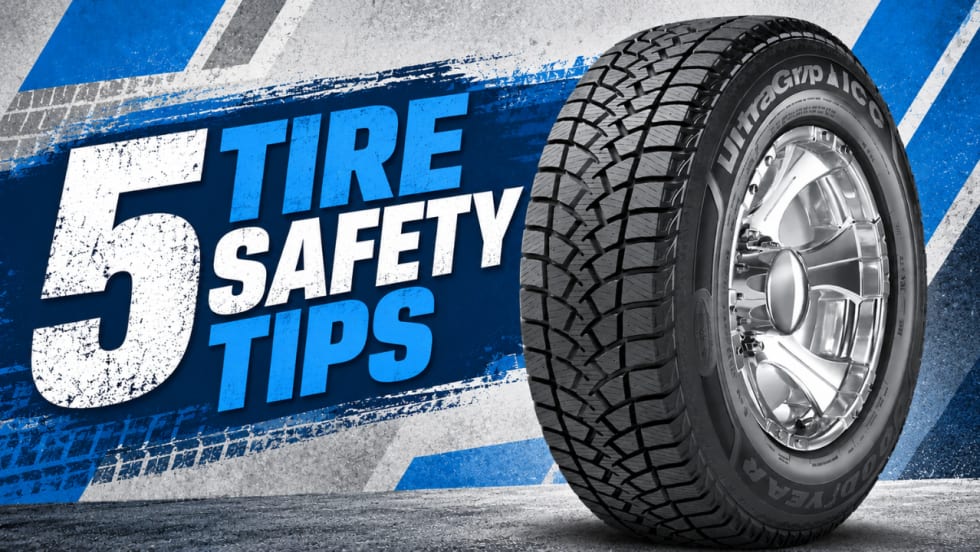
5 Tire Maintenance Tips to Help Prevent Work Truck Downtime
Regular tire checks can do more than extend tread life. These five maintenance practices can help work truck fleets catch problems early, reduce costs, and prevent downtime.
Read More →

Proven Ways to Reduce Work Truck Downtime
The age-old problem of downtime will always be a reality, but with new strategies at hand, fleets have more ways to keep trucks on the road longer.
Read More →


Cameras, Safety and Insurance: From Reactive Claims to Real-Time Prevention (Part 2 of 2)
Part Two: Commercial auto remains one of the most challenging and costly lines of coverage for fleet operators and insurers alike. Continue learning more about how to effectively address these issues from Onur Aksan, Enterprise Business Development Executive, Geotab
Read More →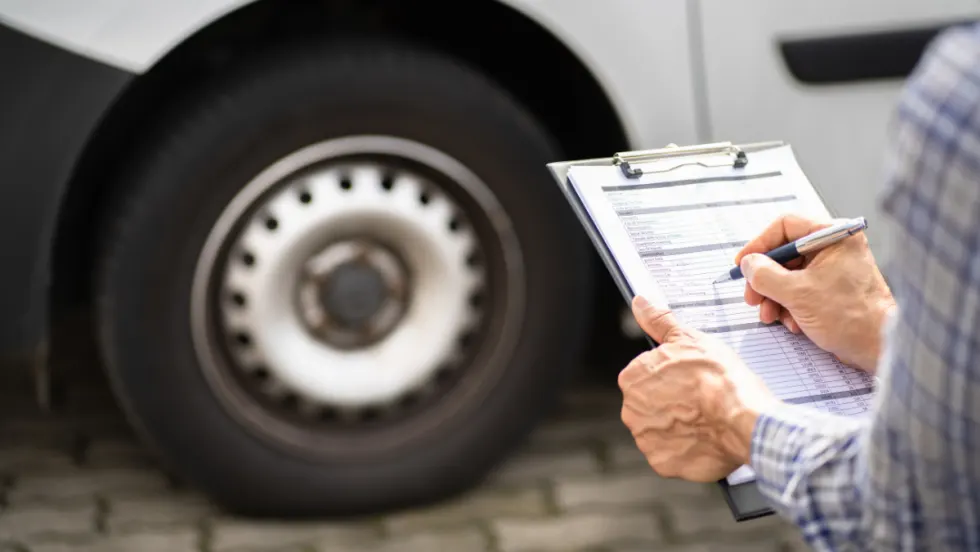
Cameras, Safety and Insurance: From Reactive Claims to Real-time Prevention
Commercial auto remains one of the most challenging and costly lines of coverage for fleet operators and insurers alike. Learn more about how to effectively address these issues from Onur Aksan, Enterprise Business Development Executive, Geotab.
Read More →
Fleet Costs Are Rising: Here’s How Leaders Are Responding
Fleet leaders are under pressure to reduce costs, adapt to economic uncertainty, and make smarter decisions. See how peers across North America are responding with real data, proven strategies, and forward-looking insights. Download the 2026 Market Pulse Report to benchmark your strategy and uncover where you can gain an edge.
Read More →
Enterprise Fleet Management Surpasses 900,000 Vehicles in U.S. & Canada
Enterprise Mobility connects with mobility solutions around the globe
Read More →