




AALA Pens Accord with Leading Fuel, Transportation Organizations
ALEXANDRIA, VA - The American Automotive Leasing Association (AALA) has established a working accord with Natural Gas Vehicles for America (NGVAmerica) and UPS to help advance opportunities and markets for natural gas and other alternative fuel vehicles.
ALEXANDRIA, VA - The American Automotive Leasing Association (AALA) announced earlier this month it has established a working accord with Natural Gas Vehicles for America (NGVAmerica) and UPS to help advance opportunities and markets for natural gas and other alternative fuel vehicles. Among other items addressed, signatories to the accord agree: (1) that government mandates requiring private sector fleets to acquire alternative-fueled vehicles are blunt policy instruments that undermine such cooperative efforts, and (2) to oppose any legislative or regulatory proposal that would mandate private sector fleet acquisition of alternative-fueled vehicles.
The accord is the result of a two-year effort between AALA, NGVAmerica, and UPS to improve on mutually desired goals.
"This development will add significantly to AALA's legislative efforts with regard to incentives, as well as other energy and environment related initiatives that are important to the commercial automotive fleet leasing industry," said Pamela Sederholm, AALA executive director.
"The membership of AALA, as well as UPS, are extraordinarily influential in the commercial vehicle market," said Richard Kolodziej, president of NGVAmerica. "We are very excited about working closely with AALA and UPS on federal policies that will encourage the purchase and use of natural gas vehicles."
Robert Hall, director of Maintenance and engineering for UPS added, "This agreement clarifies and underscores the need for viable, long-term solutions to meet America's future transportation energy requirements. UPS is proud to work with AALA and NGVAmerica to further policies that positively impact sustainability initiatives."
More Leasing
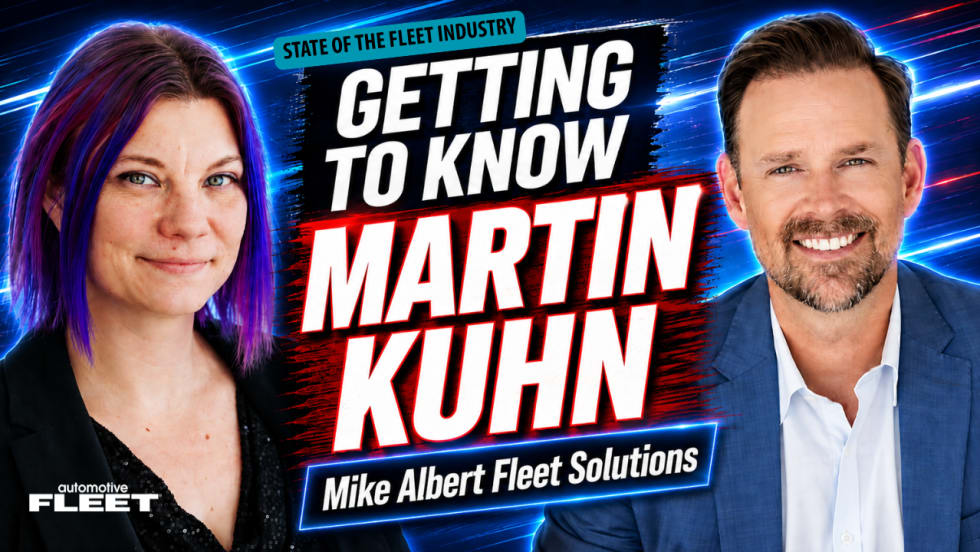
Martin Kuhn on the Future of Mike Albert Fleet Solutions
The new president and CEO explains how Mike Albert Fleet Solutions plans to invest in technology, data, and people without losing the personal service fleet customers value.
Read More →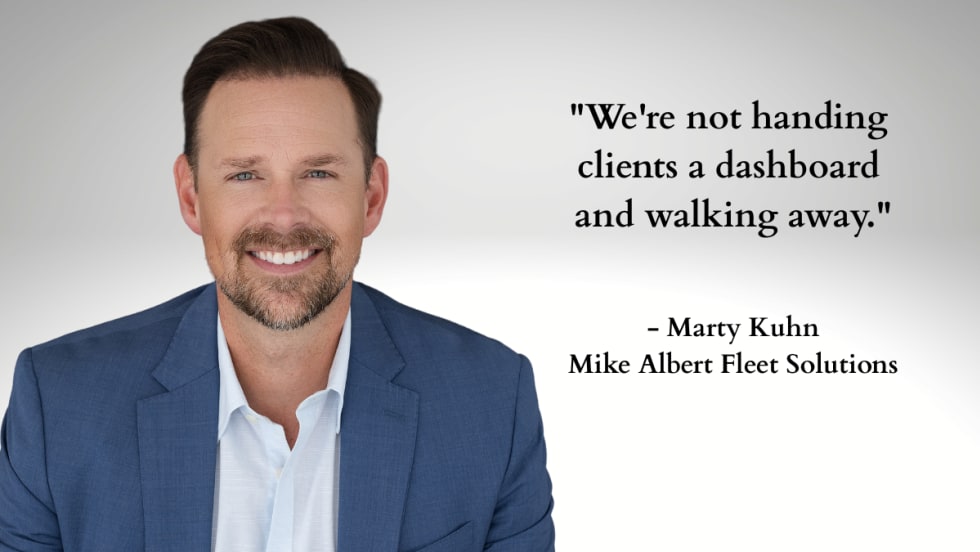
Mike Albert Fleet Solutions Names Marty Kuhn CEO, First from Outside the Family
Kuhn has a theory of what sets the company apart from larger FMCs: depth of partnership over breadth of volume.
Read More →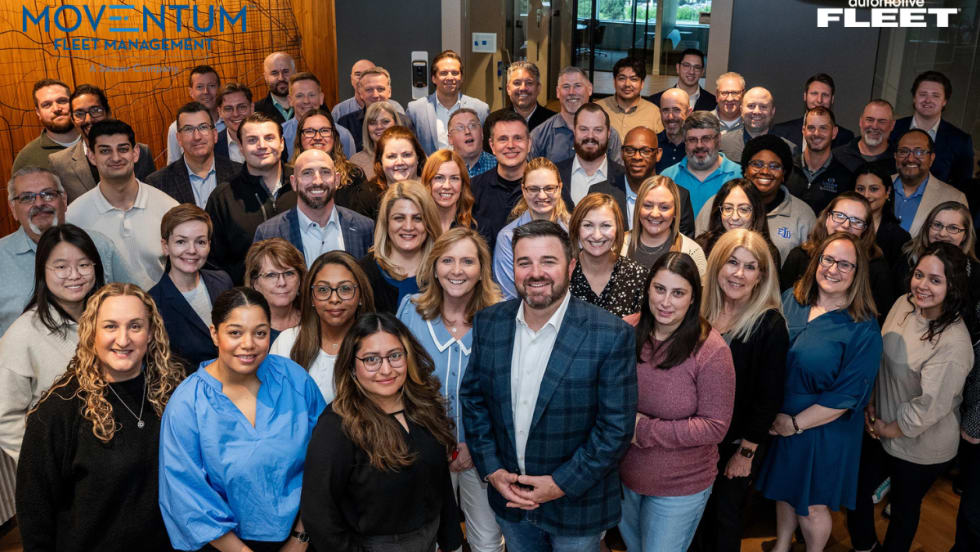
Union Leasing Rebrands as Moventum Fleet Management
The name Moventum reflects the company’s position at the intersection of movement and momentum, with the guiding principle "Keep Work Moving."
Read More →
How Does a Mid-Major FMC Compete? Ask BBL Fleet
This Pittsburgh-based FMC built a technology-first culture, sustained double-digit organic growth, and expanded its Midwest footprint through a recent acquisition. How did it happen?
Read More →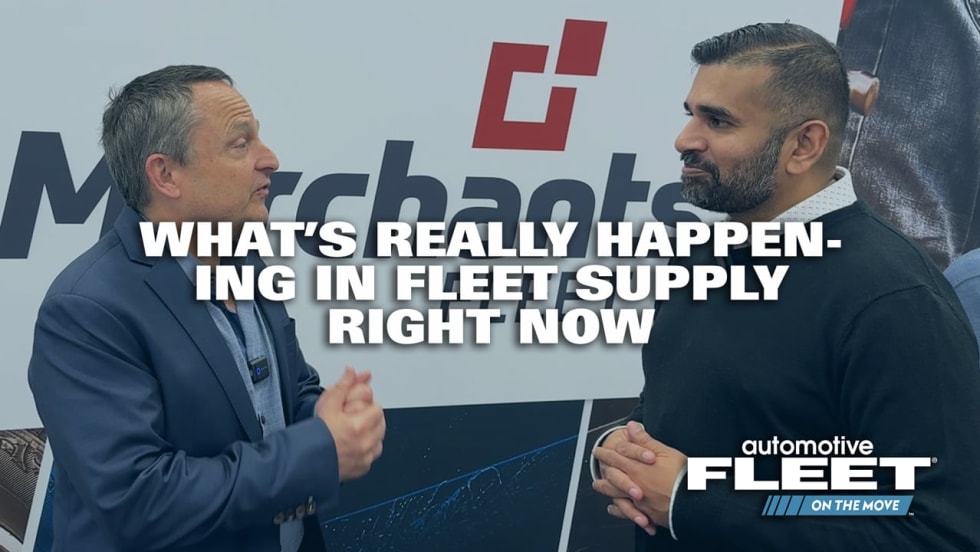
What’s Really Happening in Fleet Supply Right Now
Fleet supply has improved, but not everywhere. Merchants Fleet’s Charles Matthew explains where constraints still exist, what risks are emerging, and why fleets shouldn’t wait to place orders.
Read More →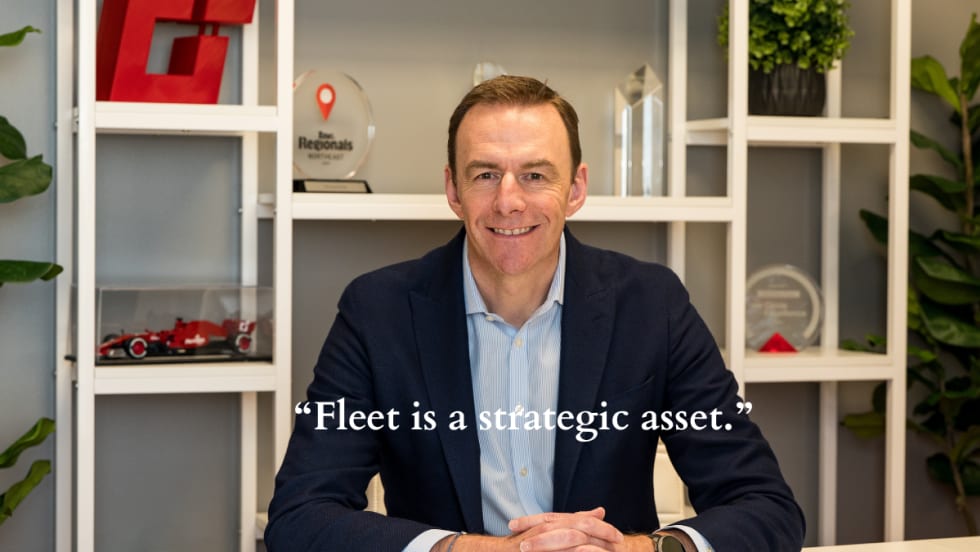
These Edges Are Measured in Inches — Matt Dyer on Fleet’s New Normal
The Merchants Fleet CEO contends that fleets that drive the business win the inches. In 2026, every one of them counts.
Read More →
Who Gets a Company Car? (In 2026 and Beyond)
As costs rise and scrutiny increases, fleets are refining criteria that govern eligibility for company-owned vehicles.
Read More →
DriveItAway Holdings, Free2move Launch Operations In Nine Cities
The co-branded program with Stellantis’ mobility division scales up leasing and financing options nationwide with more cities to come online in 2026.
Read More →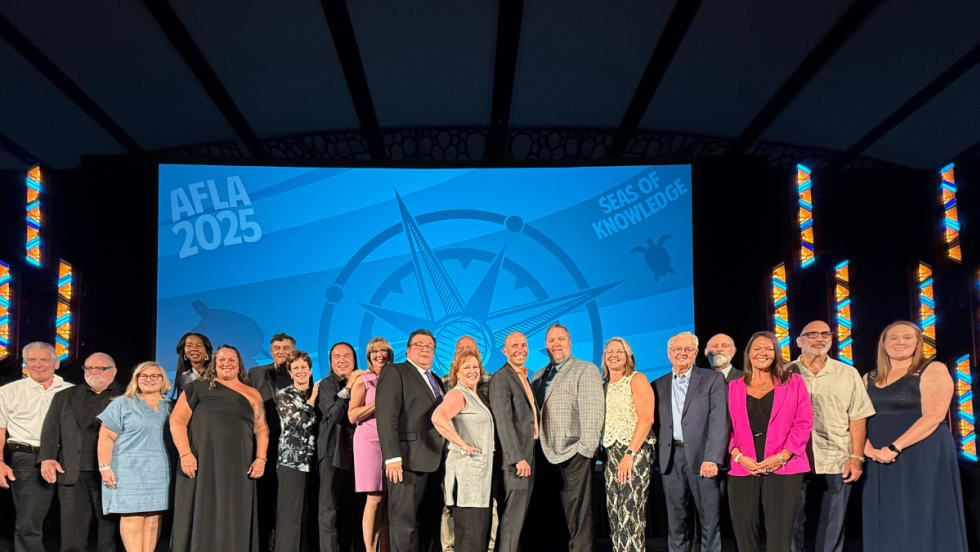
AFLA 2025 Conference in Pictures
Drawing over 640 attendees, the 2025 AFLA Annual Conference was held Sept. 14-17 at the JW Marriott Marco Island Beach Resort in Florida.
Read More →
DriveItAway, Free2move Partner to Expand Vehicle Access for Dealers
The arrangement enables franchise dealers to offer flexible lease-to-own programs with no credit checks, no down payments, and no long-term commitments.
Read More →