




AAA Predicts Holiday Traffic Congestion
More than 102 million people will be on the nation's roadways this holiday season, marking a 4.4% increase over last year and an all-time record high since AAA began tracking holiday vehicle travel in 2001.

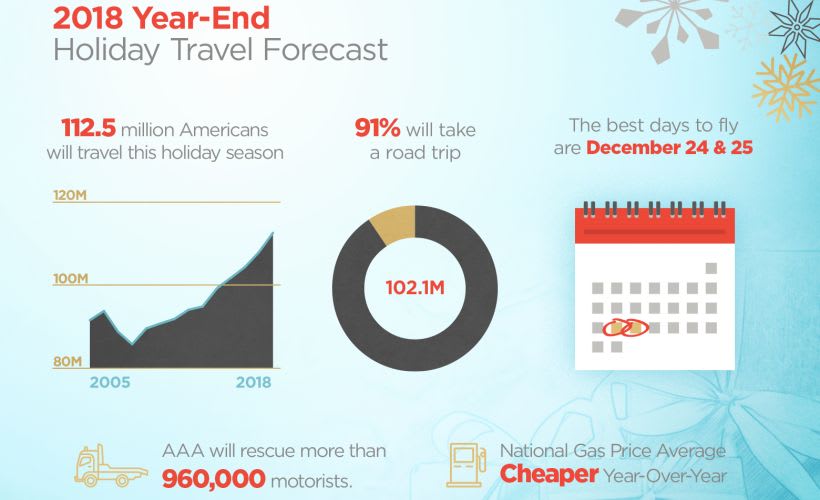
Holiday traffic congestion is expected to increase more than 4% in urban areas, according to AAA.
Graphic courtesy of AAA.
More than 102 million people will be on the nation's roadways this holiday season, marking a 4.4% increase over last year and an all-time record high since AAA began tracking holiday vehicle travel in 2001.
In addition, Inrix, a global mobility analytics company, forecasts road travel times in the most congested cities to be as much as four times longer than a normal trip, notes AAA. Commercial fleets should be aware that the congestion is anticipated to begin on Wednesday, Dec. 19 — with Thursday, Dec. 20 slated as the nation's worst travel day, based on Inrix historical and travel trend data.
Atlanta ranks first for anticipated worst traffic problems over the holiday period with an estimated increase of four times from the usual commuting time. New York City comes in second with delays expected to result in three and three quarter times the normal trip.
Other cities ranking among the top five for congestion and delays include Boston (three and a half times), Houston (three and a quarter times) and Detroit (three times).
The Inrix data notes that motorists in five other major metros — Seattle, Chicago, Los Angeles, San Francisco, and Washington, D.C. — should also be prepared for longer than usual times drive times.
With the increase in traffic, fleet drivers should be aware that they might find impatient or aggressive drivers on the road. In addition, commercial drivers should expect to encounter more stalled vehicles and towing on the highways and byways during the holiday season.
AAA anticipates it will come to the aid of over 960,000 motorists this holiday period. The top vehicle problems drivers will experience include dead batteries, flat tires and lockouts.
In addition, some 46% of all crashes involving bad weather occur in the winter — making it all the more critical for fleet drivers to be vigilant and alert on the roads this holiday period.
More Safety
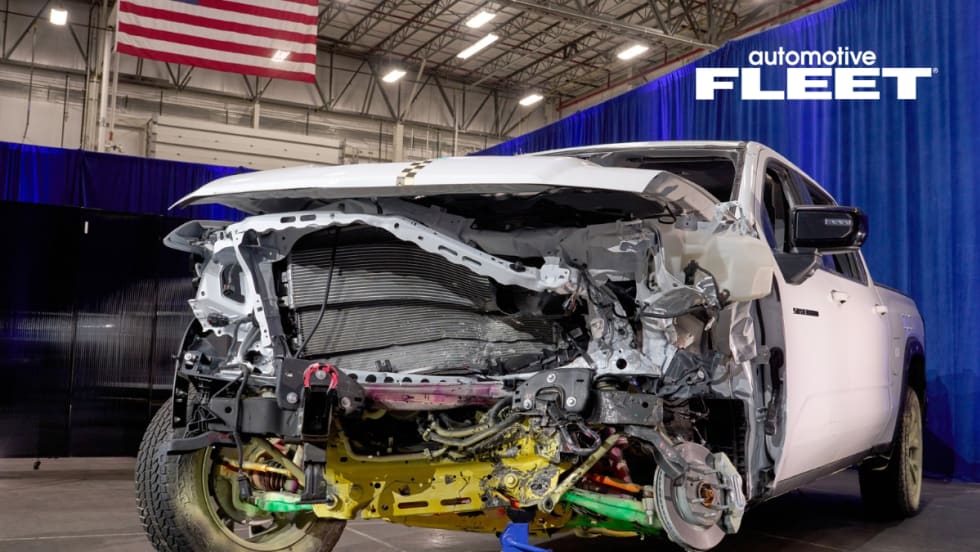
GM Conducts 92,000 Virtual Crash Tests for 2027 Chevrolet Silverado 1500
General Motors used computer simulations to evaluate crash scenarios, occupant protection and vehicle design variations before conducting physical crash tests.
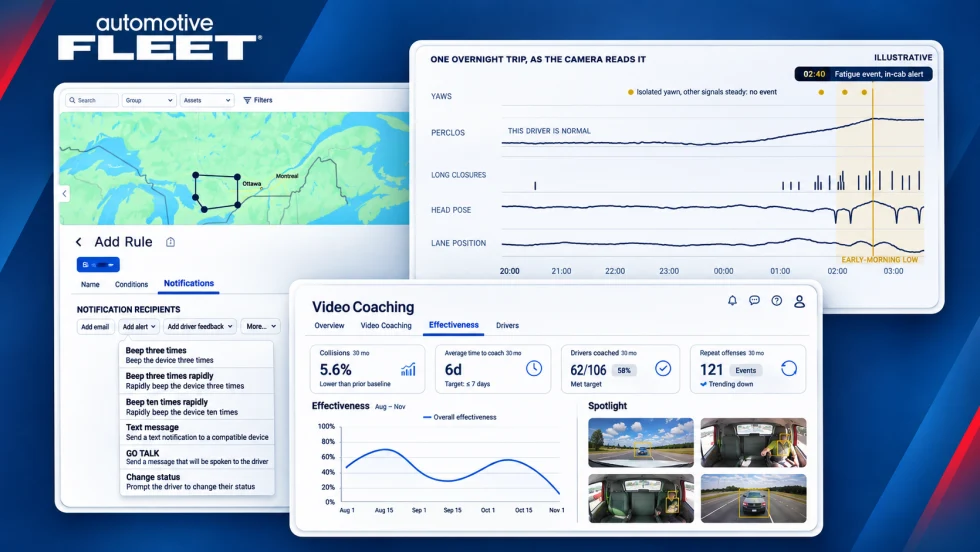
Geotab Adds AI-Powered Driver Coaching and Fatigue Detection Features
New capabilities include fatigue monitoring, two-way audio, coaching effectiveness analytics and location-based privacy controls for fleet safety management.
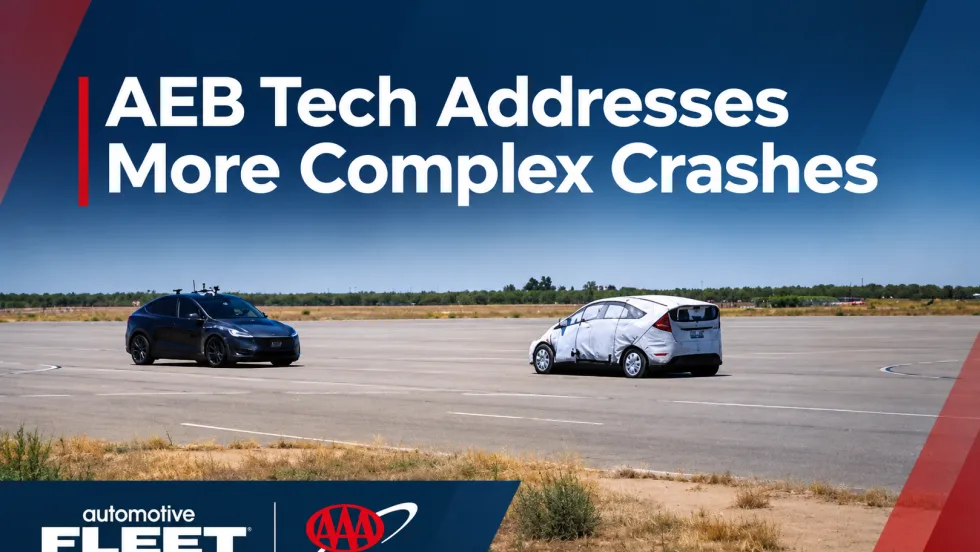
AAA Testing Finds Gaps in Intersection AEB Crash Prevention
Testing of four 2026 model-year vehicles found that automatic emergency braking prevented collisions in standardized intersection scenarios, but three vehicles failed to avoid crashes when another vehicle turned into their path.
Which Fleet Types Have the Highest Severe Speeding Rates?
New research from SambaSafety finds significant differences in speeding rates across fleet industries, even as nearly 90% of surveyed fleets report using telematics.
When a Cyberattack Hits Your Fleet: What Happens Next?
“You have two opportunities to test your plans: when you choose or when the threat actor chooses.” A cybersecurity expert reveals what fleet managers need to know before a cyberattack puts their operations at risk — and why the decisions made in the first moments can shape the entire recovery.
Tips for Driving Safely on Halloween Night
This video features a reminder from the Connecticut Department of Transportation (DOT) and the Connecticut Police Chiefs Association, urging drivers to prioritize safety this Halloween.
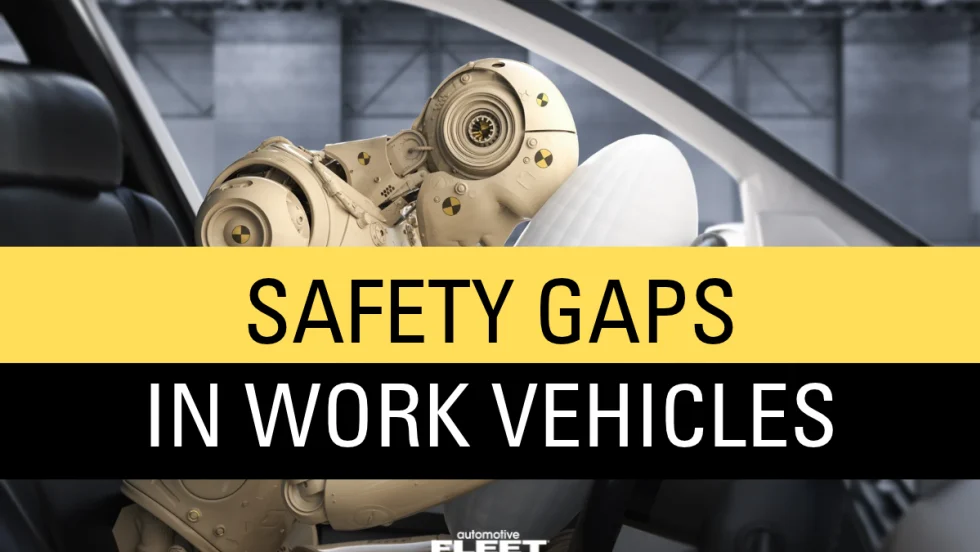
IIHS Crash Avoidance Tests Reveal Safety Gaps in Cargo Vans and Work Trucks
New IIHS crash avoidance ratings show uneven performance among cargo vans and heavy-duty pickups, with most struggling to avoid vehicle-to-vehicle collisions.
What’s Next for Fleet? Safety, AI & Industry Recognition | AF News Recap
Could your company's culture be encouraging distracted driving? This week, we're exploring how workplace expectations affect driver safety, what AI, EVs, and autonomous vehicles could mean for the future of fleet management, and how fleet professionals can strengthen their award nominations.
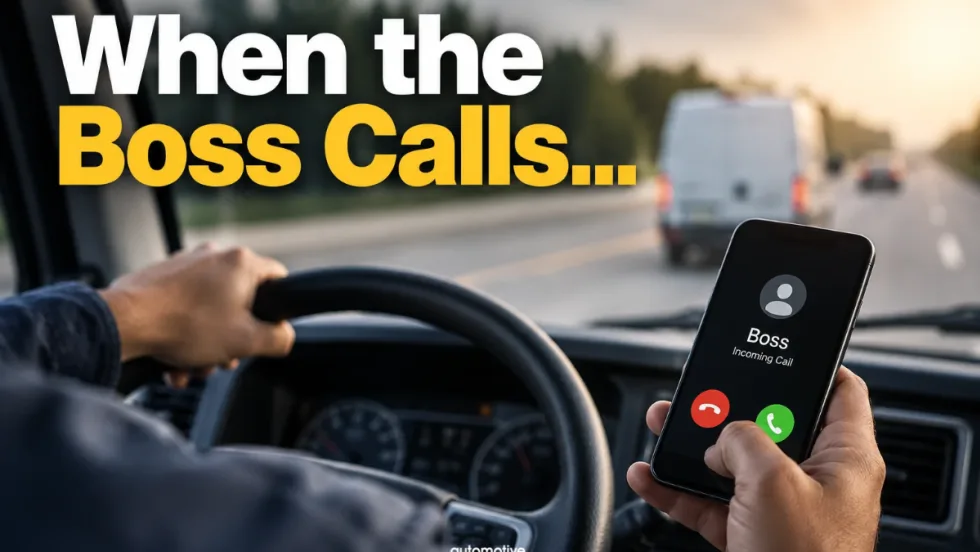
Does Your Fleet's Culture Encourage Distracted Driving?
What happens when the people responsible for enforcing safety rules are the ones setting the wrong example? The answer may reveal why some of the biggest risks to fleet drivers have little to do with what's written in the employee handbook.
Fleet Manager’s Ultimate Playbook: Navigating the New Standard in OEM Connectivity
Rising operating costs, driver safety concerns, and unplanned downtime are putting unprecedented pressure on modern fleets. Discover how fleet managers use embedded OEM connectivity and real-time vehicle data to cut TCO, prevent downtime, and protect drivers without aftermarket telematics hardware.