




27 Gas-Saving Tips from HowToAdvice.com
Here are some more gas-saving tips to help relieve the pain at the pump.
HowToAdvice.com offers the following gas-saving tips, compiled by Ernest Miles:
1. Avoid prolonged engine warm-up, even on cold mornings --- 30 to 45 seconds is plenty of time.
2. Be sure the automatic choke is disengaged after engine warm-up --- chokes often get stuck, resulting in bad gas/air mixture.
3. Don't start and stop the engine needlessly. Idling your engine for one minute consumes the gas amount equivalent to when you start the engine.
4. Avoid "reving" the engine, especially just before you switch the engine off. This wastes fuel needlessly and washes oil down from the inside cylinder walls.
5. Eliminate jack-rabbit starts. Accelerate slowly when starting from a dead stop. Don't push pedal down more than 1/4 of the total foot travel. This allows the carburetor to function at peak efficiency.
6. Buy gasoline during the coolest time of day --- early morning or late evening is best. During these times gasoline is densest.
7. Choose the type and brand of gasoline carefully. Certain brands provide you with greater economy because of better quality.
8. Avoid filling the gas tank to the top. Overfilling results in sloshing over and out of tank. Never fill gas tank past the first "click" of the fuel nozzle, if nozzle is automatic.
9. Keep your "need for speed" in check. Keep in mind that exceeding 40 mph forces your auto to overcome tremendous wind resistance. Speed limits were primarily set for your traveling safety, but they also aid in getting better gas efficiency. Traveling at 55 mph gives you up to 21 percent better mileage when compared to former legal speed limits of 65 mph and 70 mph. Also, remember that traveling at fast rates in low gears can consume up to 45 percent more fuel than is needed.
10. Keep windows closed when traveling at highway speeds. Open windows cause air drag, reducing your mileage by 10 percent.
11. Drive steadily. Slowing down or speeding up wastes fuel. Also avoid tailgating --- the driver in front of you is unpredictable. Not only is it unsafe, but if affects your fuel economy, if he slows down unexpectedly.
12. Think ahead when approaching hills. If you accelerate, do it before you reach the hill, not while you're on it.
13. Don't rest your left foot on the floor board pedals while driving. The slightest pressure puts "mechanical drag" on components, wearing them down prematurely. This "dragging" also demands additional fuel usage.
14. Avoid rough roads whenever possible, because dirt or gravel rob you of up to 30 percent of your gas mileage.
15. Use alternate roads when safer, shorter or straighter. Compare traveling distance differences --- remember that corners, curves and lane jumping requires extra gas. The shortest distance between two points is always straight.
16. Stoplights are usually timed for your motoring advantage. By traveling steadily at the legal speed limit you boost your chances of having the "green light" all the way.
17. Automatic transmissions should be allowed to cool down when your car is idling at a standstill, e.g. railroad crossings, long traffic lights, etc. Place gear into neutral position. This reduces transmission strain and allows transmission to cool.
18. Park your car so that you can later begin to travel in forward gear; avoid reverse gear maneuvers.
19. Get regular tune-ups to ensure the best fuel economy. Check the owner's manual for recommended maintenance intervals. Special attention should be given to maintaining clean air filters.
20. Inspect suspension and chassis parts for occasional misalignment. Bent wheels, axles, bad shocks, broken springs, etc. create engine drag and are unsafe at high traveling speeds.
21. Remove snow tires during good weather seasons. Traveling on deep tire tread really robs fuel.
22. Inflate all tires to maximum limit. Each tire should be periodically spun, balanced and checked for out-of-round. When shopping for new tires, get large diameter tires for rear wheels. Radial designs are the recognized fuel-savers; check manufacturer's specifications for maximum tire pressures.
23. Remove vinyl tops --- they cause air drag. Rough surfaces disturb otherwise smooth air flow around a car's body. Bear in mind when buying new cars that a fancy sun roof helps disturb smooth air flow (and mileage).
24. Auto air conditioners can reduce fuel economy by 10 to 20 percent. Heater fan, power windows and seats increase engine load; the more load on your engine, the less miles per gallon.
25. Remove excess weight from the trunk or inside of car --- extra tires, back seats, unnecessary heavy parts. Extra weight reduces mileage, especially when driving up inclines.
26. Consider car pooling to reduce travel monotony and gas expense. For best results, distribute passenger weight evenly throughout the car.
27. During cold weather, watch for icicles frozen to the car frame. Up to 100 pounds can quickly accumulate. Unremoved snow and ice cause tremendous wind resistance. Warm water thrown on (or hosed on) will eliminate it fast.
More Fuel
Bob Adamsky on Fuel Volatility: "Don't Panic, Have a Plan."
When it comes to up and down fuel prices, Adamsky has a message for fleets: “Don’t panic.”
Read More →
How Fleets Can Gain Control of Non-Fuel Spend
Fuel often gets the spotlight, but non-fuel expenses can have a major impact on fleet costs. Ramel Lindsay of U.S. Bank Voyager discusses how fleets can gain better visibility and control over these often-overlooked expenditures.
Read More →
Fuel is Just the Start: How Middle East Tensions are Driving Up Fleet Maintenance Costs
The Middle East conflict is doing more than pushing up fuel prices. It’s also raising the cost of key maintenance products your fleet depends on, from motor oil to tires to windshield wipers. Here’s what you need to know about this budget-busting situation.
Read More →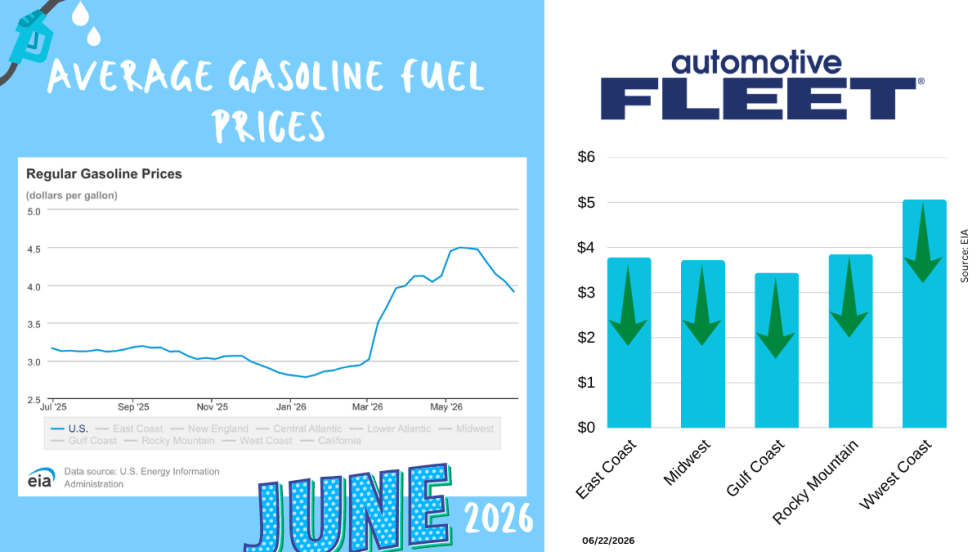
June Fuel Update: Prices Fall Below $4
Drivers are finally getting some relief at the pump. The national average gas price has dropped below $4 a gallon for the first time in months, with prices falling in 47 states as oil markets react to developments in U.S.-Iran negotiations.
Read More →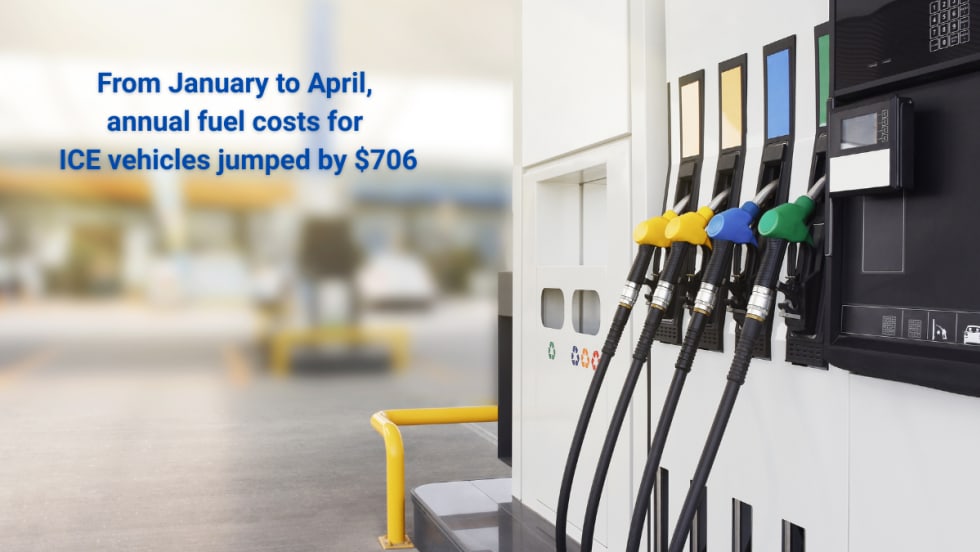
Study: How 2026's Gas Price Hikes Affect Different Vehicle Types
New data from iSeeCars reveals how rising fuel costs have affected different vehicle segments as gasoline prices climbed nearly 46% over the past four months.
Read More →
Are You Tracking Your Fleet's True Total Cost of Ownership?
Bobit Business Media surveyed 190 fleet professionals and found that while most fleets are tracking costs, fragmented systems and data gaps are keeping true TCO visibility out of reach. With rising pressure to control spend in an increasingly volatile environment, the gap between what fleets think they know and what the data actually shows is wider than you might expect. See how your peers are managing costs today and where the industry still has room to improve.
Read More →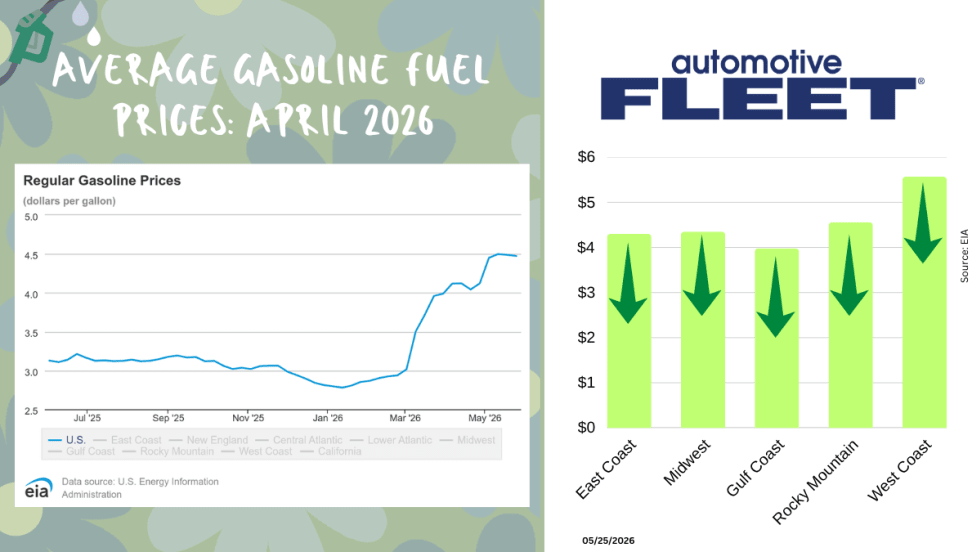
May Fuel Update: All Regions Experience Declines
Gas prices are finally easing in much of the country, but experts warn global tensions could quickly reverse the trend as the national average remains well above last month’s levels.
Read More →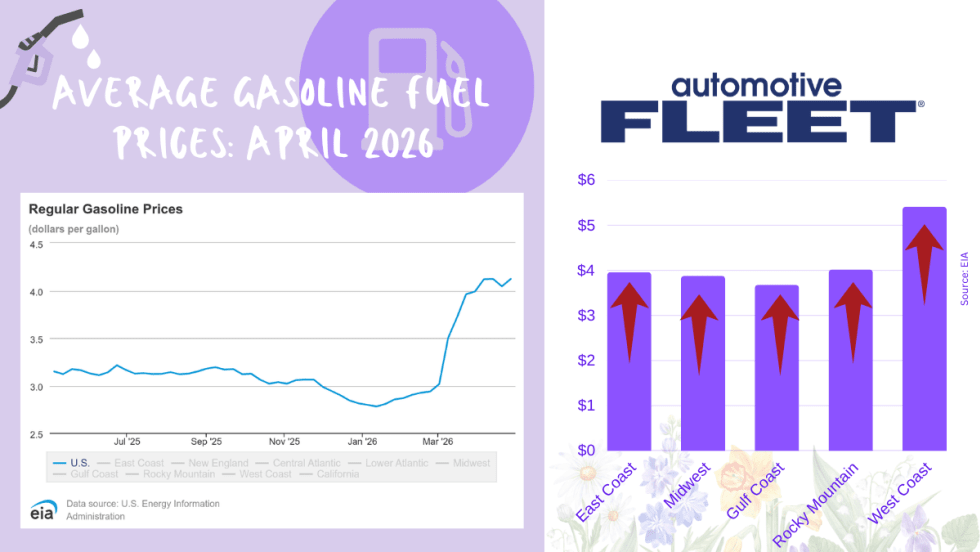
April Fuel Update: Prices Climb Above $4 as Spring Surge Accelerates
National average jumps to $4.04 per gallon, up sharply from last year, with West Coast prices topping $5 and further increases expected amid rising oil tensions.
Read More →
Tips from Fleet Managers on Saving Fuel Costs
Fleet leaders share practical strategies to reduce fuel spend through smarter policy, routing, and driver guidance.
Read More →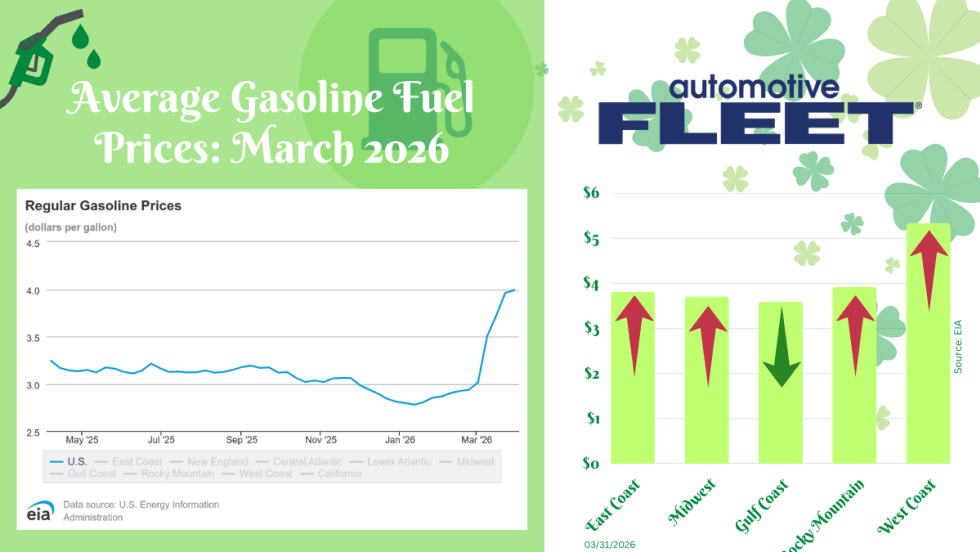
March Fuel Update: Prices Settle With a $4 Average
Fuel prices significantly slowed this week, but a $4 national average is still expected.
Read More →