




2006 Alt-Fuel Car Sales Exceed Automakers' Expectations
WASHINGTON, D.C. --- Automakers kicked off National Alternative Fuel Autos Week by announcing that there are 10.5 million alternative-fuel autos on the nation's roads today, according to 2006 sales data from R.L. Polk and Co.
WASHINGTON, D.C. --- Automakers kicked off National Alternative Fuel Autos Week by announcing that there are 10.5 million alternative-fuel autos on the nation's roads today, according to 2006 sales data from R.L. Polk and Co. The Polk sales figures also reveal that an unprecedented 1.5 million alternative-fuel autos were sold in 2006, surpassing automakers' sales expectations by 50 percent. Currently manufacturers are offering 60 models of alternative-fuel automobiles for sale including hybrid electric, ethanol- capable E-85, and clean diesel, up from just 12 models for sale in 2000. "There are 10.5 million alternative-fuel autos on the roads and highways of every state across the country. We are happy to see that consumers are, in fact, discovering the alternatives that are available to them on dealership lots nationwide," said Dave McCurdy, president of the Alliance of Automobile Manufacturers. "We believe that the numbers of alternative-fuel autos on the roads continue to rise because consumers can choose from a variety of autos that reduce fuel use while still providing the utility, safety, performance and comfort they seek." In addition to the 60 alternative fuel autos currently being offered, auto engineers are working to include a diverse range of highly fuel-efficient technologies in new vehicles. Today, every model for sale is available with some kind of fuel-efficient technology, such as fuel injectors, four-cylinder engines, variable valve timing, continuously variable transmissions, cylinder deactivation and more, the Alliance said. Automakers are also working with the energy industry to develop a range of alternative fuels capable of sustaining mobility while ensuring more secure energy sources. Alliance members have forged more than 25 partnerships, joint ventures or research and development projects with energy producers to expand the fueling infrastructure for fuels such as ethanol, biomass and hydrogen. Automakers are also working with the government, fuel providers and fuel retailers to help grow the E-85 ethanol fueling infrastructure. Since mid-2005, the industry has helped add 200 fueling stations in 13 states. McCurdy added: "Having exceeded our sales expectations in 2006, we hope that 2007 will be another banner year for sales of alternative-fuel autos. This year marks the first-ever National Alternative Fuel Autos Week and automakers hope to draw more attention to the availability of these autos currently for sale." The Alliance of Automobile Manufacturers is a trade association of nine car and light truck manufacturers including BMW Group, DaimlerChrysler, Ford Motor Co., General Motors, Mazda, Mitsubishi Motors, Porsche, Toyota and Volkswagen.
More Fuel

Turning Fleet Payment Data into Executive Insights
Ramel Lindsay of U.S. Bank Voyager discusses how fleets can transform payment and transaction data into actionable intelligence to reduce costs, improve oversight, and support executive decision-making.
Read More →
Why the IRS Raised Its Mileage Rate in the Middle of 2026
Fuel-price volatility drove the rare increase to 76 cents per mile, the fifth midyear adjustment since 2000.
Read More →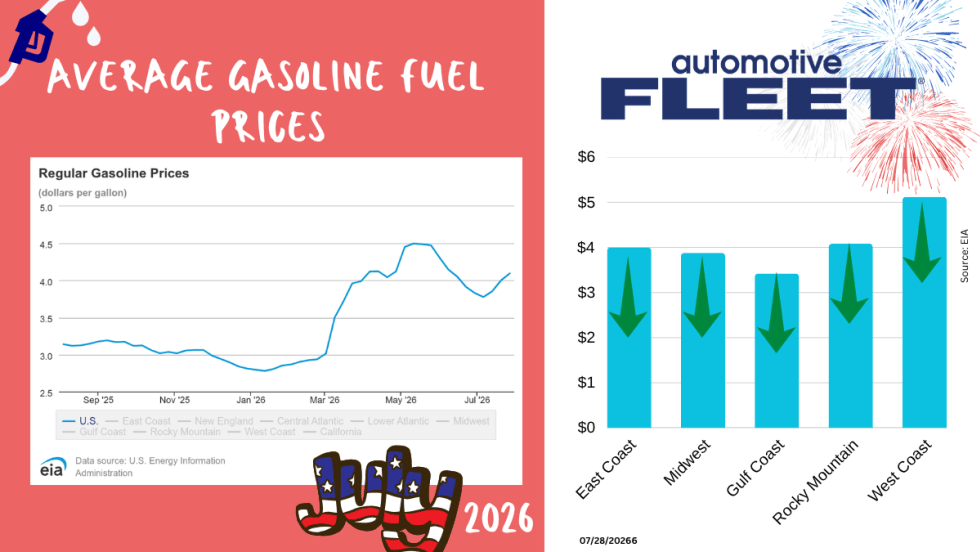
July Fuel Update: Prices Keep Rising in Light of More Conflict
Gas prices continue to rise as more and more conflicts do, too.
Read More →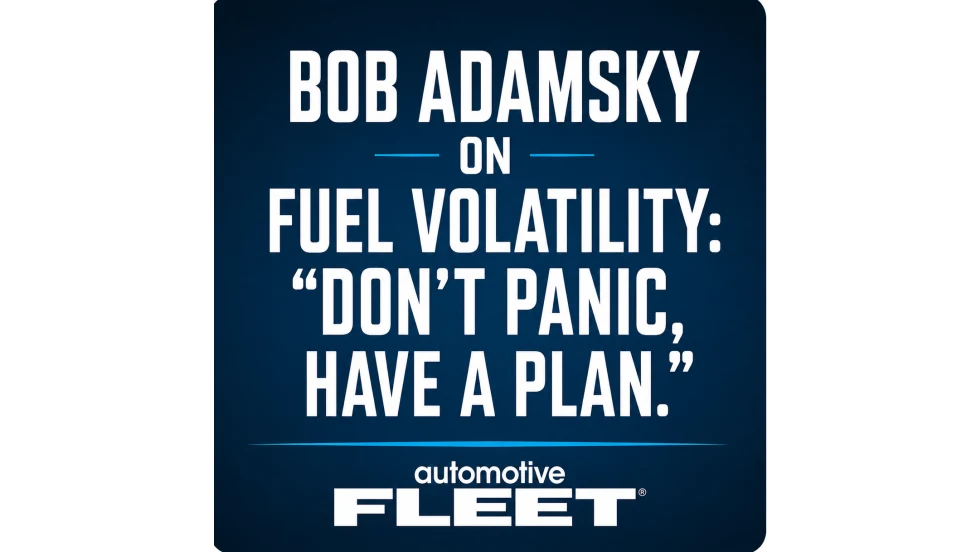
Bob Adamsky on Fuel Volatility: "Don't Panic, Have a Plan."
When it comes to up and down fuel prices, Adamsky has a message for fleets: “Don’t panic.”
Read More →
How Fleets Can Gain Control of Non-Fuel Spend
Fuel often gets the spotlight, but non-fuel expenses can have a major impact on fleet costs. Ramel Lindsay of U.S. Bank Voyager discusses how fleets can gain better visibility and control over these often-overlooked expenditures.
Read More →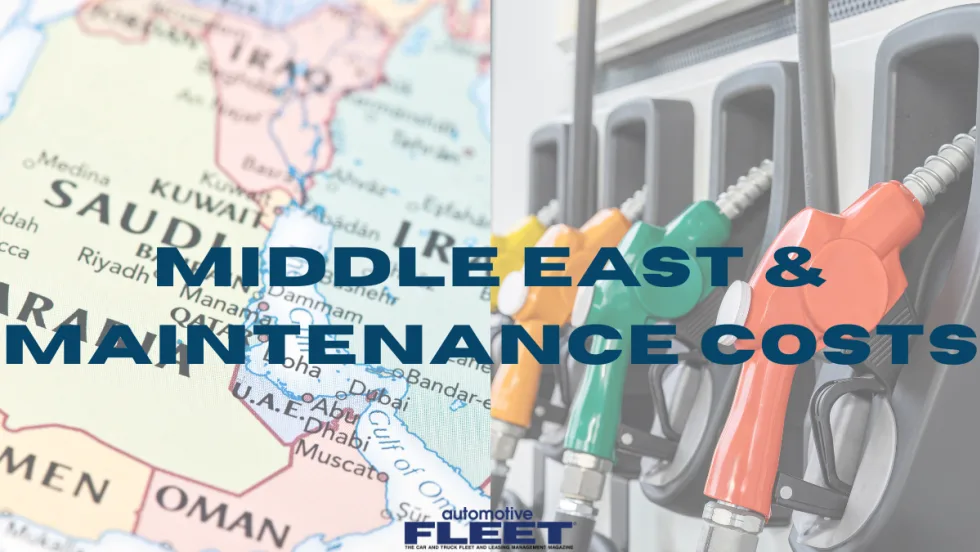
Fuel is Just the Start: How Middle East Tensions are Driving Up Fleet Maintenance Costs
The Middle East conflict is doing more than pushing up fuel prices. It’s also raising the cost of key maintenance products your fleet depends on, from motor oil to tires to windshield wipers. Here’s what you need to know about this budget-busting situation.
Read More →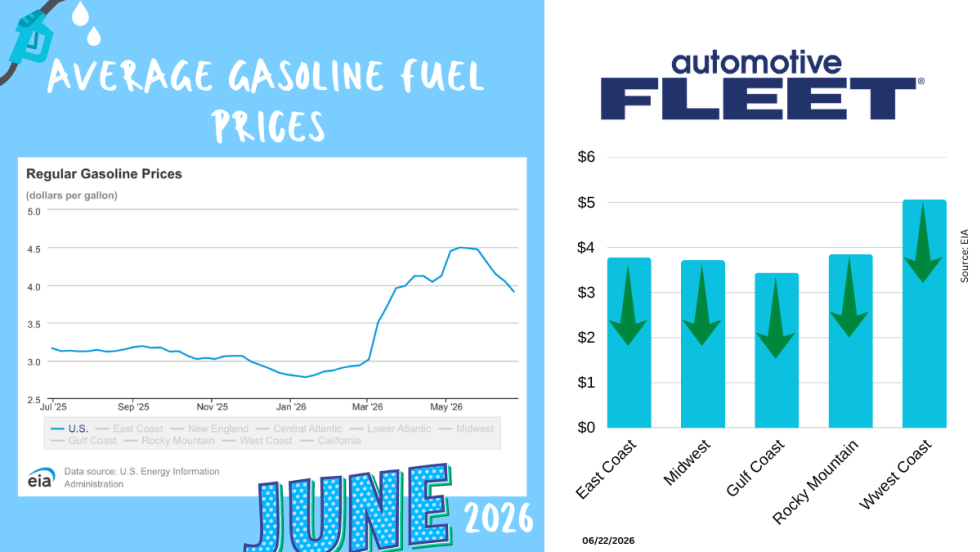
June Fuel Update: Prices Fall Below $4
Drivers are finally getting some relief at the pump. The national average gas price has dropped below $4 a gallon for the first time in months, with prices falling in 47 states as oil markets react to developments in U.S.-Iran negotiations.
Read More →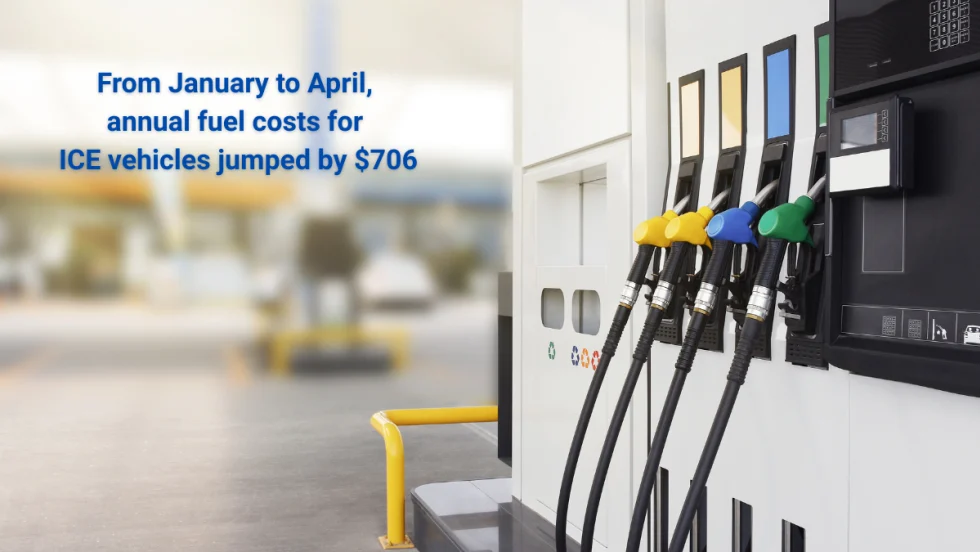
Study: How 2026's Gas Price Hikes Affect Different Vehicle Types
New data from iSeeCars reveals how rising fuel costs have affected different vehicle segments as gasoline prices climbed nearly 46% over the past four months.
Read More →
Are You Tracking Your Fleet's True Total Cost of Ownership?
Bobit Business Media surveyed 190 fleet professionals and found that while most fleets are tracking costs, fragmented systems and data gaps are keeping true TCO visibility out of reach. With rising pressure to control spend in an increasingly volatile environment, the gap between what fleets think they know and what the data actually shows is wider than you might expect. See how your peers are managing costs today and where the industry still has room to improve.
Read More →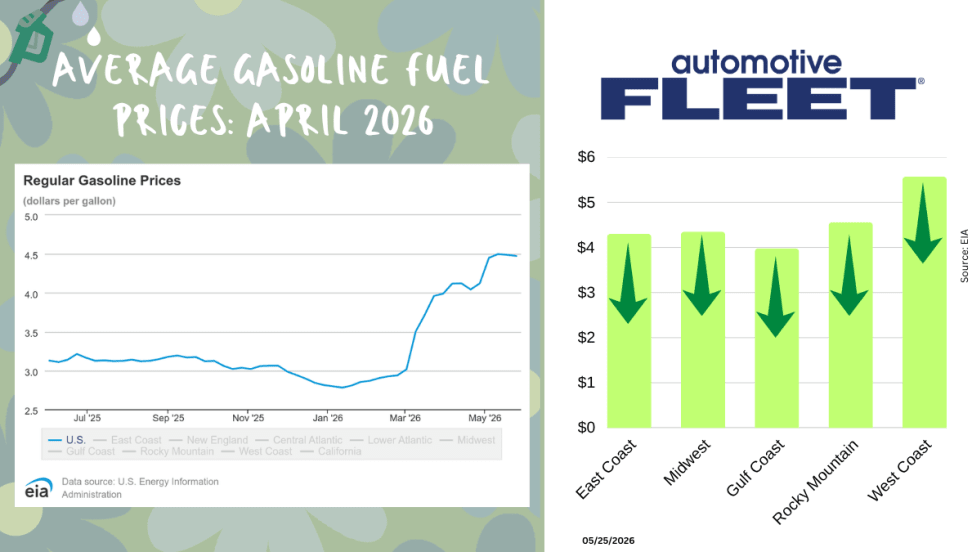
May Fuel Update: All Regions Experience Declines
Gas prices are finally easing in much of the country, but experts warn global tensions could quickly reverse the trend as the national average remains well above last month’s levels.
Read More →