




20-Percent Ethanol Blend Passes Compatibility, Performance Tests
PAUL, Minn. --- Increasing the amount of renewable ethanol blended into gasoline from 10 percent to 20 percent does not present problems for current vehicles or fuel dispensing equipment and provides similar power and performance, according to a new study released Wednesday by the State of Minnesota.
PAUL, Minn. --- Increasing the amount of renewable ethanol blended into gasoline from 10 percent to 20 percent does not present problems for current vehicles or fuel dispensing equipment and provides similar power and performance, according to a new study released Wednesday by the State of Minnesota.
Using 40 pairs of vehicles commonly found on American roads, a year-long research effort found that increasing ethanol blends from 10 percent (E10) to 20 percent (E20) in a gallon of gasoline provided an effective fuel across a range of tests focusing on drivability and materials compatibility.
"Using homegrown renewable fuel is an important part of Americanizing our energy future and unhooking our country from foreign sources of oil," Minnesota Gov. Tim Pawlenty said. "This study shows that we can safely increase the amount of ethanol blended with gasoline for use in today's vehicles. We're proud that Minnesota is helping lead the nation to a cleaner, more secure energy future, and we're hopeful that other states will continue to join with us in this effort."
The state of Minnesota conducted the study as part of the process to meet a state law that requires ethanol comprise 20 percent of all gasoline sold in the state beginning in 2013. Gov. Pawlenty signed legislation that included this requirement in 2005.
Minnesota and its partners will soon apply to the EPA for a waiver to federal rules that will allow E20 to be used in all of the state's gasoline. The study used nationally recognized standards and protocols to ensure research quality. The research project was conducted at Minnesota State University Mankato and the University of Minnesota, with cooperation from the Minnesota Department of Agriculture and the Minnesota Pollution Control Agency and the Renewable Fuels Association.
The study included input from fuel refiners, automakers and small-engine manufacturers, and funding support from the Minnesota Corn Growers Association and the Council of Great Lakes Governors.
Minnesota Agriculture Commissioner Gene Hugoson said the research provides additional evidence of the value of ethanol blended fuels.
"Until now, there has been limited information available on the performance of fuels with higher ethanol content," Hugoson said. "This research gives us solid information on how these fuels can be expected to perform in today's vehicles."
The study included standard passenger vehicles, gas-electric hybrids and delivery vehicles. The vehicles were driven by University of Minnesota employees, who submitted log books compiled during the course of the study. In addition, certified professionals drove the vehicles quarterly and submitted their findings. The study was conducted over 12 months to ensure the fuel and the vehicles operated in weather conditions common to all four seasons. Drivers who participated in the testing indicated that E20 provided both the power and performance they expected.
In addition to the road tests, researchers conducted laboratory tests to evaluate the effect of 20 percent ethanol blends on materials commonly found in conventional vehicle fuel systems. These included components made of various metals, rubber and plastics. Test results indicated E20 was compatible with the vehicle fuel systems.
The final component of the scoping study -- emissions testing -- is ongoing. Researchers are conducting tests on three separate emission control systems, and the results of those tests are being analyzed. Those results will be made available upon the completion of the testing program.
Currently, the Environmental Protection Agency (EPA) recognizes gasoline blended with 10 percent ethanol as an acceptable fuel for use in today's gasoline vehicle fleet. Likewise, virtually all automakers warranty -- and often recommend -- the use of E10. However, automakers have asserted that their legacy fleet -- those vehicles on the road today -- are not capable of accommodating higher levels of ethanol. The Minnesota study addressed these concerns and found no evidence that E20 would more adversely impact technologies commonly found in vehicles on American roads today.
Renewable Fuels Association President Bob Dinneen noted that the recently passed federal energy bill will help usher in the use of ethanol beyond the traditional 10 percent blends.
"It is becoming increasingly obvious that this nation can and should begin to move in the direction of ethanol blends in excess of 10 percent," said Dinneen. "Together with the increases in fuel economy passed by the 2007 energy bill, the expanded use of ethanol can dramatically reduce demand for gasoline and increasingly displace our need for oil and gasoline imports."
More Fuel
Fuel Prices Surge in September | September Fuel Update
September brought major fuel price swings, including diesel crossing $6 a gallon. Here’s how gas and diesel prices changed throughout the month, and where they stood heading into October.
Read More →
Turning Fleet Payment Data into Executive Insights
Ramel Lindsay of U.S. Bank Voyager discusses how fleets can transform payment and transaction data into actionable intelligence to reduce costs, improve oversight, and support executive decision-making.
Read More →
Why the IRS Raised Its Mileage Rate in the Middle of 2026
Fuel-price volatility drove the rare increase to 76 cents per mile, the fifth midyear adjustment since 2000.
Read More →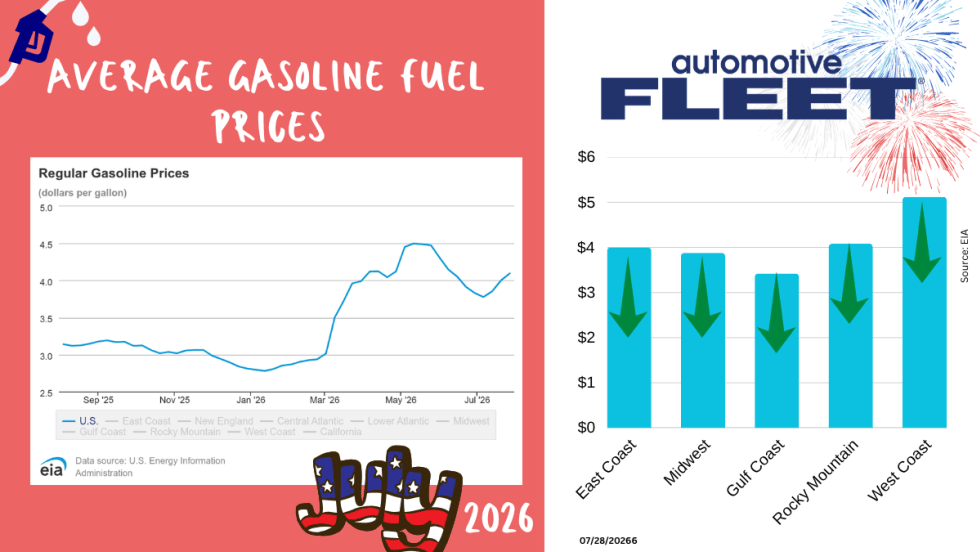
July Fuel Update: Prices Keep Rising in Light of More Conflict
Gas prices continue to rise as more and more conflicts do, too.
Read More →
Bob Adamsky on Fuel Volatility: "Don't Panic, Have a Plan."
When it comes to up and down fuel prices, Adamsky has a message for fleets: “Don’t panic.”
Read More →
How Fleets Can Gain Control of Non-Fuel Spend
Fuel often gets the spotlight, but non-fuel expenses can have a major impact on fleet costs. Ramel Lindsay of U.S. Bank Voyager discusses how fleets can gain better visibility and control over these often-overlooked expenditures.
Read More →
Fuel is Just the Start: How Middle East Tensions are Driving Up Fleet Maintenance Costs
The Middle East conflict is doing more than pushing up fuel prices. It’s also raising the cost of key maintenance products your fleet depends on, from motor oil to tires to windshield wipers. Here’s what you need to know about this budget-busting situation.
Read More →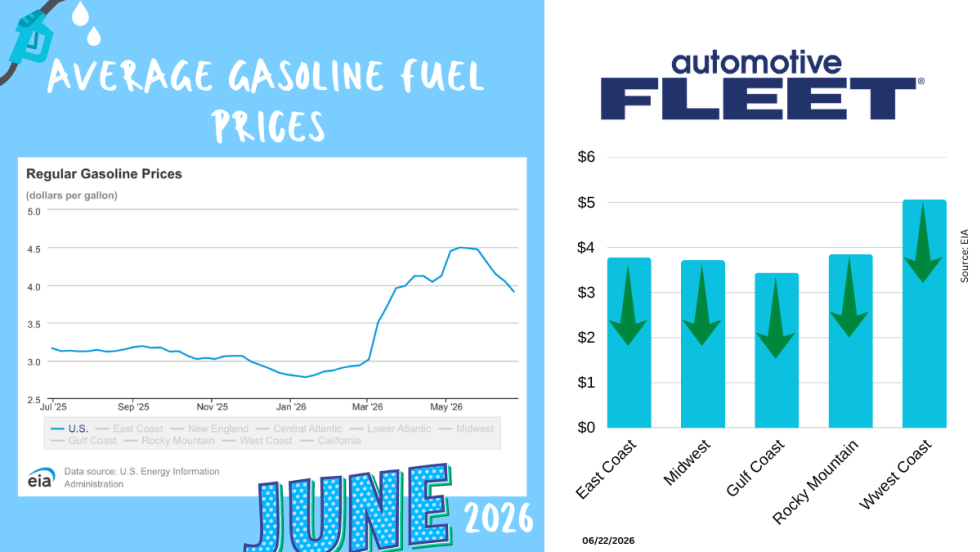
June Fuel Update: Prices Fall Below $4
Drivers are finally getting some relief at the pump. The national average gas price has dropped below $4 a gallon for the first time in months, with prices falling in 47 states as oil markets react to developments in U.S.-Iran negotiations.
Read More →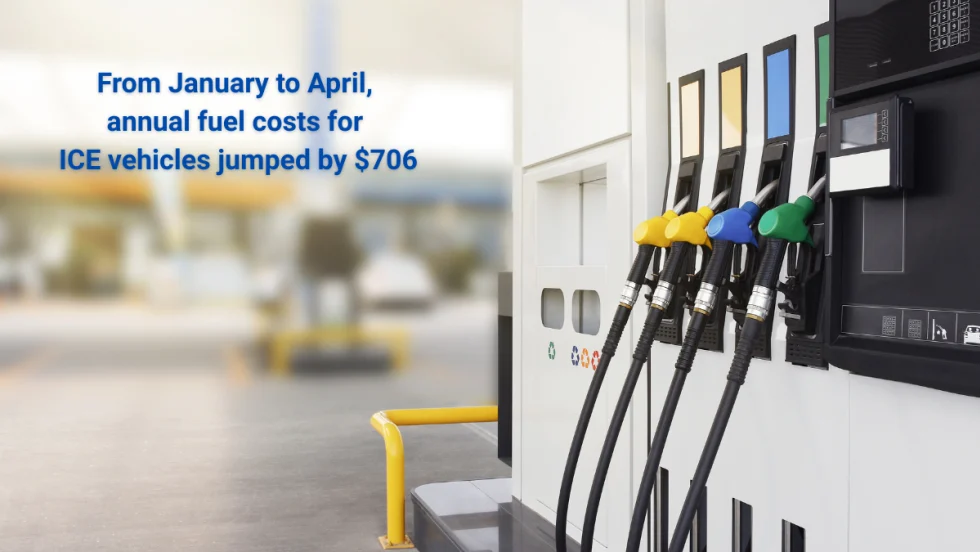
Study: How 2026's Gas Price Hikes Affect Different Vehicle Types
New data from iSeeCars reveals how rising fuel costs have affected different vehicle segments as gasoline prices climbed nearly 46% over the past four months.
Read More →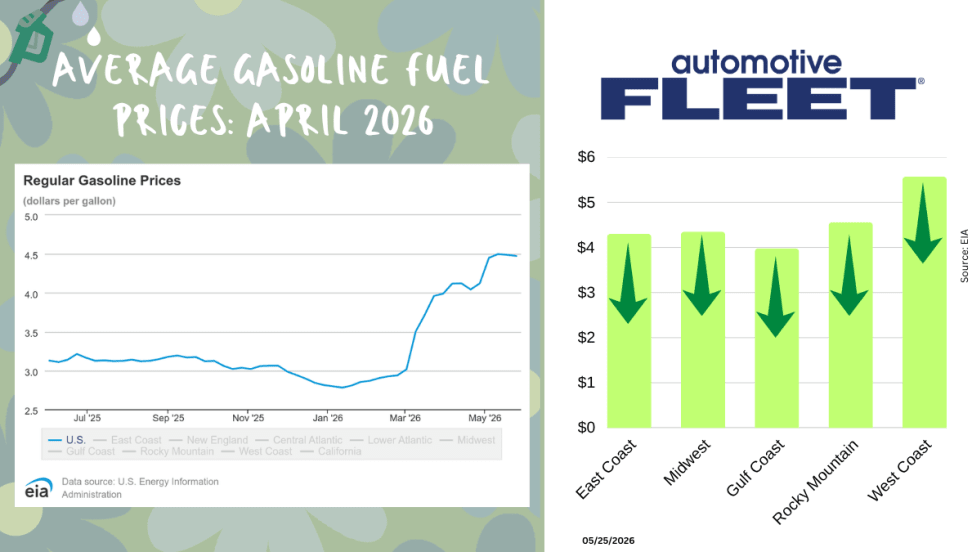
May Fuel Update: All Regions Experience Declines
Gas prices are finally easing in much of the country, but experts warn global tensions could quickly reverse the trend as the national average remains well above last month’s levels.
Read More →