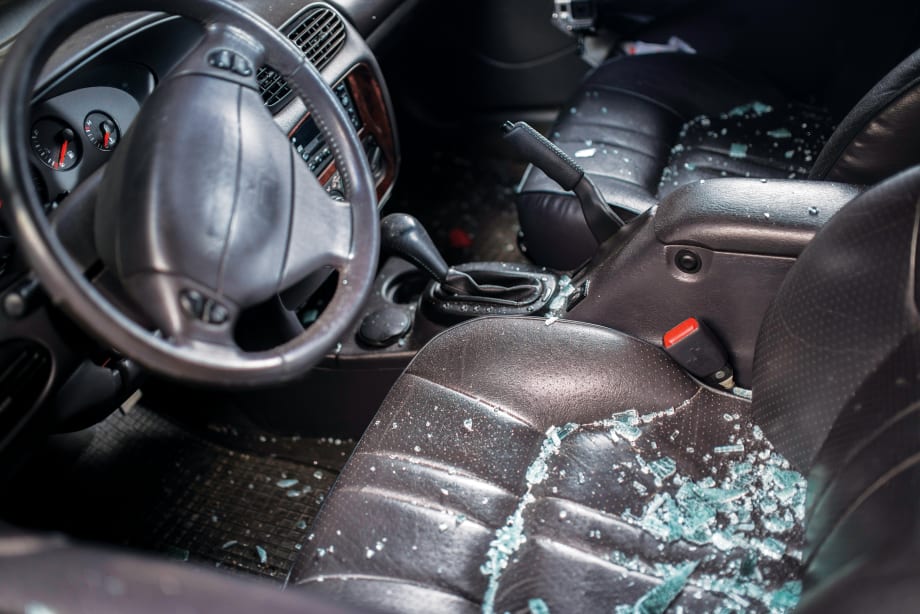
Fleet managers should factor in how often vehicle or cargo thefts occur in their operations before investing in additional security equipment for their vehicles.
Andy Lundin・Former Senior Editor
October 2, 2017
Photo courtesy of istockphoto.com
3 min to read
Photo courtesy of istockphoto.com
Fleet managers looking to prevent theft of fleet vehicles or cargo in their operations are likely aware of the more obvious security practices. This should include keeping valuable objects hidden from snooping criminals, and parking in secured areas, but fleets should go beyond the basics and actively think about vehicle security.
This is crucial because whether a vehicle is enticing or not is really all dependent on the perspective of the thief.
Ad Loading...
“Not much you can do to prevent a theft if a thief wants that car. There’s got to be something attractive about the car to the thief in the first place,” said Frank Scafidi, director of public affairs for the National Insurance Crime Burea (NICB).
NICB’s ‘Layered Approach’
The NICB offers what it calls the “Layered Approach” to protection, and can certainly apply to fleets. This four layered approach includes utilizing common sense (e.g. Locking your doors), a warning device (e.g. a visible or audible device that alerts thieves the vehicle is protected), immobilizing device (e.g. kill switches), and a tracking device.
Indeed, noting the “warning device” layer to the approach, Scafidi said doing something as simple as adding a security club to the steering wheel can help deter thieves. He said fleets operating in urban environments may want to consider investing in this, or aftermarket security equipment, such as GPS tracking and LoJack services.
However, before investing into safety services and products intended to improve fleet asset security, the fleet manager should consider if any of the equipment is necessary his or her operation.
“You can waste a lot of money hardening your fleet that might be several hundred vehicles, when you really only have to worry about those that are going certain routes with certain products, you might then tailor some of the fleet and restrict some of those high risk areas to a number of vehicles that only run that route,” said Scafidi.
Ad Loading...
In addition to considering the safety of a given fleet route, Scafidi suggested fleets consider how if the company brand’s itself on its vehicles. Might a thief assume that your fleet’s vehicles carry valuable cargo? If so, what are the conditions of the routes that these loads of cargo taking?
“Depending on what they are advertising, that can be an attractive target for thieves who may want to break in. This is more difficult to prevent, especially if a delivery fleet is overnighting cargo,” he said. “Fleets who do not have a secure road network, they might want to investigate facilities on their route where they can have secured place for a vehicle to park.”
Other Security Considerations
Another important thing to note is the scale of how much thought thieves may place into their crimes.
“These bad guys definitely do some homework on knowing what’s built where and where it ships,” he said. “The more sophisticated thieves will take up surveillance and come out with a schedule and know when a rig is loaded with what, whether it’s a small van or mid-size truck.”
Tracking assets through telematics or services such as LoJack can help eliminate this concern.
Ad Loading...
Also, looking internally, fleets should consider their drivers. Especially if fleets have vehicles used for personal use. Properly educating drivers on proper security etiquette, regardless of when they drive, is essential, said Scafidi.
“When people are working, they may have a certain mindset, but when they go on vacation in their business car, they may be a little more lax about security and worry less about securing the vehicle,” he said. “We want to try to educate people to take precaution no matter where you are with a vehicle.”
Fleet drivers face constant visual, cognitive, and environmental interruptions the moment they hit the road. From roadside chaos to mental fatigue and digital overload, today’s biggest driving risks often come from outside the vehicle itself.
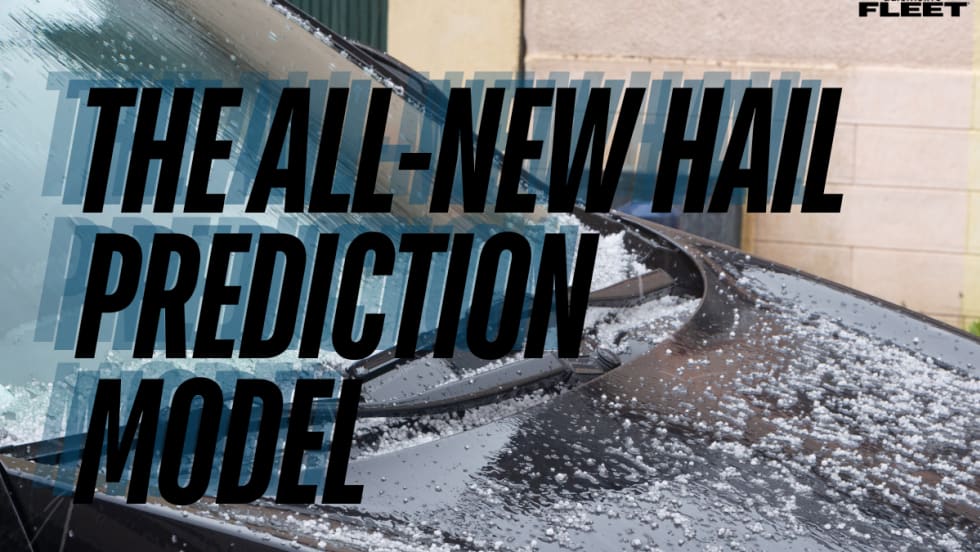
FLASH Weather AI has launched a first-of-its-kind hail prediction model capable of forecasting hail size and arrival time at 1-kilometer resolution up to 55 minutes ahead, giving fleets and insurers critical time to prepare for severe storms.
As litigation risk rises, vehicles are increasingly targeted. This Coca-Cola bottler shares how it’s reducing exposure through driver training, technology, and a proactive risk management approach.
From identity management to third-party certifications, the right technology partner should make security easier to manage. Here are the three building blocks that fleet managers need to stay in control as connected systems scale.
Distracted driving remains one of the most persistent risks in fleet operations. New approaches focus on removing mobile device use entirely while adding real-time safety support.
As distraction risks evolve, fleets are turning to smarter, more connected technologies to better understand what’s happening behind the wheel. Part 2 explores how these tools are helping identify risky behaviors and improve visibility across operations.
Distracted driving is often measured by what we can see—phones in hand, eyes off the road. But what about the distractions we can’t? A recent incident raises a bigger question about awareness, attention, and why subtle risks so often go unnoticed.