




Will Technology Eliminate the ‘Personal Touch’ in Fleet Management?
Technology has transformed the way fleets communicate. One unintended consequence has been the increasing de-personalization of the interaction between fleet managers and drivers. In many ways, technology is slowly eliminating the “personal touch” to fleet management, which, since the inception of the profession, has been the hallmark of good fleet management, In the future, will personalized fleet management seem as quaint as the home delivery of milk?

Technology has dramatically changed the fleet management profession, with the overwhelming change being for the better. During the past several decades, technology has transformed the way fleets communicate, especially with the introduction of Web-enabled technology.
However, one unintended consequence of this technologically-induced change has been the increasing de-personalization of the interaction between fleet managers and drivers. In many ways, technology is slowly eliminating the “personal touch” to fleet management, which, since the inception of the profession, has been the hallmark of good fleet management.
“While technology is making things easier, it is also making things more difficult,” said Mel Pawlisz, fleet manager for Four Seasons Heating & A/C. “We’re losing the personal touch by not getting to know the people we deal with and how they work. Technology lets us do things easily for the many. However, a real fleet manager needs to be able to understand how to help the individual driver.”
Other fleet managers have expressed similar concerns. “Technology has made the management of a fleet more mechanical and automated. There is no longer a personal connection between the fleet manager and the drivers,” said a fleet manager who wished to remain anonymous.
Depersonalized Communication
A growing number of fleet managers believe technology has made the profession more impersonal. Drivers may also see electronic communication as impersonal if their sole communication from managers is through e-mail. Also, e-mail can create confusion, requiring employees to seek more feedback than normal compared to direct personal communication.
For some fleet managers, the decreased personal interaction with drivers has decreased their job satisfaction. One aspect of the job they enjoy the most is providing a valued service to internal customers, which, in their eyes, requires personal interaction. A call from a driver thanking a fleet manager for their efforts makes the job worthwhile and very rewarding.
“The best part of the job has always been dealing with the drivers. While that can also be extremely frustrating, it’s what makes every day different from the day before. I found throughout the years that people do incredibly stupid things in their vehicles, and I continue to be surprised when something new surfaces. But, the overwhelming majority of drivers are satisfied and I enjoy the recognition of a driver calling to say thank you,” said another fleet manager. Nowadays, most communication between the fleet manager and drivers is via e-mail. “While we all like to be thanked for the job we did or how we helped someone, it tends to lose some of its luster in an e-mail. Getting that call with the person you helped always feels better to me,” said Pawlisz.
There is also a generational preference to the use of e-mail and social media as a communication medium. It is no surprise that younger drivers prefer to communicate almost exclusively via e-mail. Although highly efficient and productive, fleet managers complain that e-mail tends to make drivers lazy. One example is with an intranet fleet website, which is designed to answer most fleet-related questions. Instead of using it, drivers send e-mails asking for information that is available at their fingertips on the website. In today’s work environment, e-mail makes it easy to fire off a question, rather than take the time to look up the answer in the company fleet policy.
Not Everyone Feels This Way
Although some fleet managers complain that technology depersonalizes communication, other fleet managers welcome the decrease in phone calls. They prefer e-mail over the phone. When drivers call, they tend to give more detail than is needed to answer the question. It is less time-consuming to respond to an e-mail. Plus, as one fleet manager related, “e-mail offers other advantages over phone communication, such as not having to play phone tag, listen to long drawn-out voicemails, or rely on your note-taking ability; that is, of course, if you actually manage to speak to someone on the first try. E-mail gives you the opportunity to develop an intelligent reply without the pressure of remembering all the supporting facts on the spot during a live conversation.” Likewise, some employees find “live” conversations draining, especially if it involves conflict.
Technology has led to the creation of a “24/7/365” business environment and society. Everyone is reachable any time of day or night via e-mail, texting, social media, etc. Technology is facilitating impersonal communication. Currently, it is more of a generational preference, but, ultimately, they will be the fleet managers and drivers of tomorrow. In the future, personalized fleet management may seem as quaint as the home delivery of milk.
Let me know what you think.
mike.antich@bobit.com
More Blog Posts
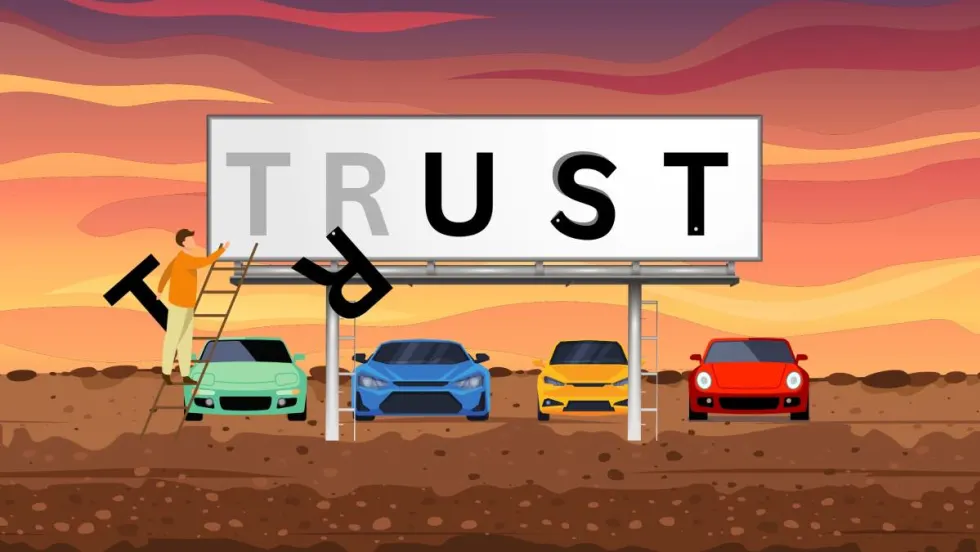
Fleets Want Trust Restored with Suppliers
During this period of ongoing supply constraints, the trust that fleet managers had with OEMs, upfitters, and dealers has been strained. Fleet managers say they have had too many experiences over the past three years coping with erroneous information, adjusting to multiple price increases, and feeling betrayed by inadequate transparency from suppliers.
Read More →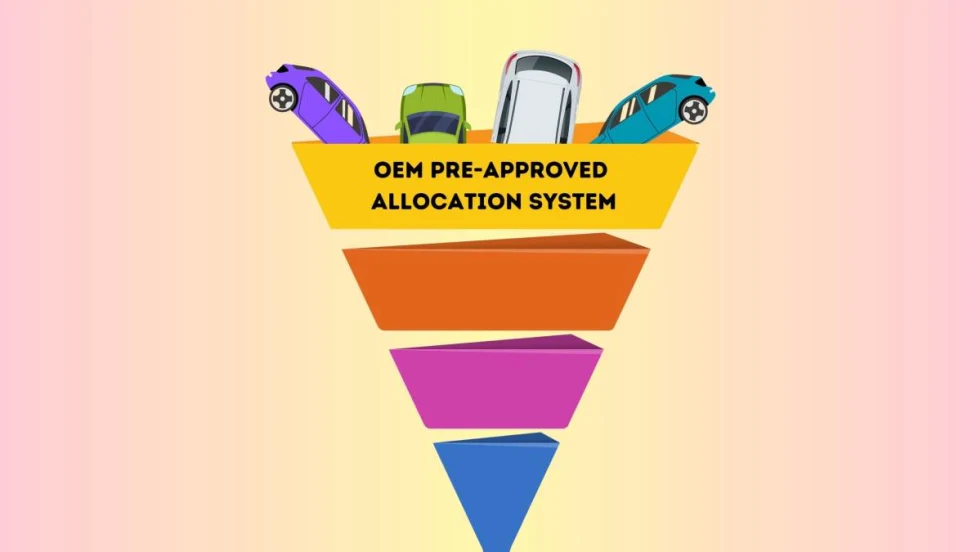
Scheduled Replacement Cycles Are Becoming a Distant Memory
The ongoing difficulty in sourcing replacement vehicles is forcing companies to extend the service lives of vehicles that are unable to be replaced, which, inevitably, increases unscheduled maintenance expenses.
Read More →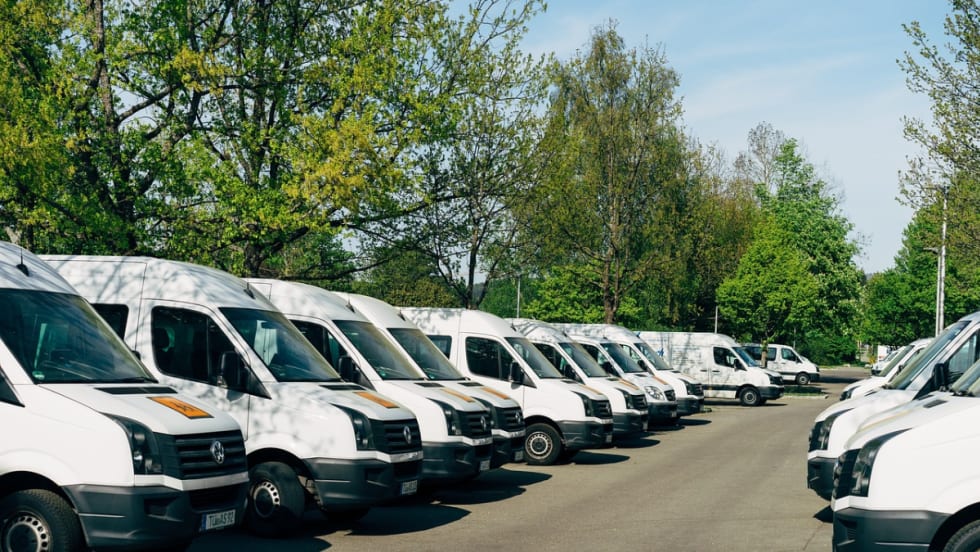
Fleet Simplification is the Antidote to Asset Variability
Fleet simplification identifies asset functions to uncover commonality among the equipment and assets. Simplification increases operational efficiency as end-users become accustomed to the controls, displays, and operation of less diverse units.
Read More →
The Dangers of Static Fleet Policies
A fleet policy is a living document, flexible enough to adapt to evolving business priorities, developing industry trends, and changing industry best practices and standards.
Read More →
Short-Term vs. Long-Term Cost Reductions
Corporate procurement staff are often driven by short-term, immediate cost reductions. However, a longer perspective to soft cost savings is critical because fixating on short-term results will hurt a company in the long run.
Read More →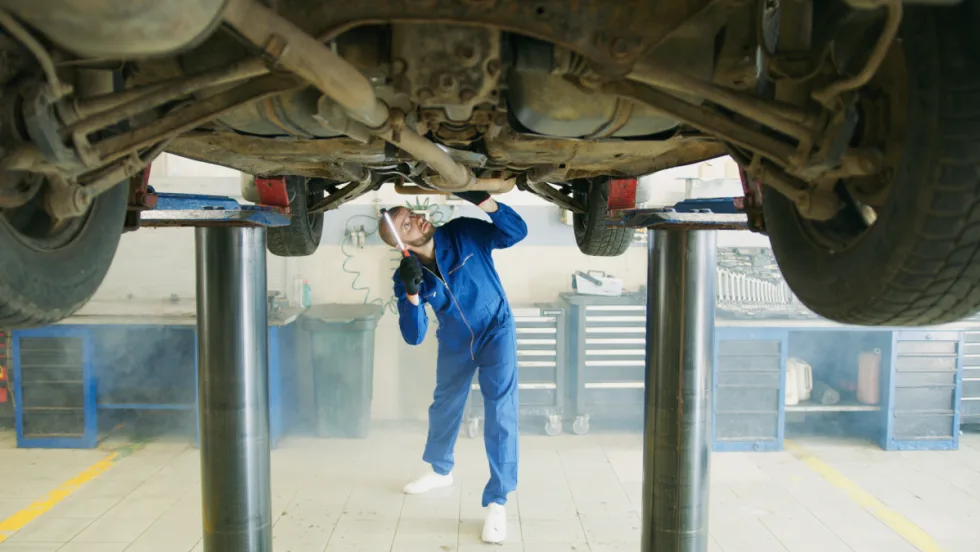
Uptick in Unscheduled Maintenance Increasing Vehicle Downtime
Fleet data analysis can identify recurring downtime issues. It’s important to determine the root causes of downtime so procedures can be developed to minimize such problems.
Read More →
Eliminate Needless Curb Weight to Maximize ICE & EV Efficiencies
Vehicle weight relates directly to fuel economy. In today’s era of electrification, there is also a direct correlation between vehicle weight and battery range.
Read More →
Tech Dependence Risks Dumbing Down Fleet Manager Expertise
The line between creative thinking and problem solving and doing what the data indicates is thin. To lead in fleet management, you need to balance understanding the fundamentals and embracing what smart technology offers.
Read More →
Leverage the Synergy of Safe Driving to Achieve Sustainability and Cost Goals
Safe driving, emission reductions, and cost containment can all be achieved at the same time.
Read More →
The Playbook for Fleet Manager Success
There are many paths to success — most of them involve being flexible, open-minded, and willing to learn.
Read More →