




Total Fleet Cost is Proportional to Fleet Size
Every fleet manager is feeling the pressure to reduce costs. The best place to have maximum impact is to reduce overall fleet size and/or modify vehicle composition. A fleet's total cost is directly proportional to the total number of vehicles in operation, which drives all fixed and operating costs, such as fuel, replacement tire expenses, depreciation, accident repair costs, etc. If you can reduce overall fleet size, all other cost categories will decrease correspondingly.

By Mike Antich
Every fleet manager is feeling the pressure to reduce costs. The best place to have maximum impact is to reduce overall fleet size and/or modify vehicle composition. Unfortunately, it is not uncommon for the size and composition of a fleet to be out of sync with actual corporate needs - either there are too many vehicles in the fleet and/or larger than needed vehicle types are in operation.
A fleet's total cost is directly proportional to the total number of vehicles in operation, which drives all fixed and operating costs, such as fuel, replacement tire expenses, depreciation, accident repair costs, etc. If you can reduce overall fleet size, all other cost categories will decrease correspondingly.
One of the best explanations about the relationship between fleet size and fleet cost was provided to me by the City of Philadelphia, which, during a 2004-2005 fleet reduction initiative, quantified the relationship into an equation. It was explained that fleet size is the super-variable driving overall costs.
The aggregate fleet costs (FC) can be represented by the equation:
FC = [A + R/M + F + I/O] x #V
(A = acquisition expenditures, R/M = repair/maintenance costs, F = fuel costs, I/O = indirect/overhead costs, and #V = number of vehicles.)
The right side of the equation is calculated for each vehicle class (using averages for the four variables) and then summed to determine aggregate fleet costs. Regardless of how well costs are managed and efficiencies generated through process reengineering for the first four variables, fleet costs will be proportional to the overall fleet size.
At some fleets, it is reasonable to assume an overall fleet-size reduction in the range of 5-10 percent is feasible. For a fleet of 500 units, eliminating 50 units can save between $175,000 and $300,000 per year, depending on the mix of passenger cars and light-duty trucks eliminated from service. Substantial cost reductions can also be achieved by rightsizing the class of vehicle. For instance, Valero, the largest independent petroleum refiner and marketer in North America, achieved a 6.5 cents-per-mile savings over the life of each unit. "When you consider millions of miles traveled per year by fleet vehicles, a few cents-per-mile advantage adds up quickly," said Randy Burwell, fleet administrator.
Managing Inventory
Reductions in fleet size often occur as a result of decisions made at levels higher than fleet management. Sales departments experience cutbacks. Business units or product lines are sold or shut down. Installation and service operations are outsourced. In these instances, fleet managers are often not part of the decision-making process, but are certainly part of the implementation.
Senior managers must ensure there is an ongoing effort to rightsize the fleet. Inventory management should be part of any strategy development in an overall company cost reduction goal.
While selecting the right vehicles, with the right equipment, and managing overall expense are strategic fleet issues, one area that often gets short-shrift is managing inventory: making certain that every vehicle in the fleet is necessary and fully utilized. Inventory management is a long-term, ongoing process. As a result, fleet managers must be vigilant about maximizing vehicle usage. For instance, surplus vehicles are a fact of life in fleet management. It is important to know how many vehicles are surplus and why (e.g., drivers who resigned or were terminated, vehicles "inherited" via acquisition, etc.). If you operate a nationally dispersed fleet, branch locations are notorious for hanging on to a surplus vehicle for occasional driving or "just in case" it is needed.
Combating Complacency
It isn't unusual for a company to become complacent in the way its vehicles are used and how territories or routes are serviced. For service and delivery fleets, in which drivers use established, regular routes, mapping and route software packages can help determine not only the most efficient routes to facilitate reorganizing the fleet, but better use of existing vehicles before any cutbacks are implemented. Applying routing software to map the most efficient routes often leads to discovering that reductions are possible before the management edict comes down to do so.
Sometimes employees need to be shifted to a driver reimbursement program. Fleet managers should run regular exception reports analyzing monthly driving mileage to determine if drivers continue to qualify for a company-provided vehicle. A month or two of insufficient mileage should not cause the revocation of the vehicle; but, if a driver consistently drives less than the break-even mileage, rightsizing demands the vehicle be taken away and the driver shifted to a monthly allowance or cents-per-mile reimbursement program. This is particularly true when field territories are restructured and the changes reduce the mileage driven.
In the final analysis, fleet managers are responsible to not only efficiently manage vehicles, but also explore all options to save the company money, even if it means reducing the size of the fleet for which they are responsible. Inventory management is an ongoing process, and a key management responsibility is identifying and acting upon opportunities to maximize fleet utilization.
Let me know what you think.
More Blog Posts

Fleets Want Trust Restored with Suppliers
During this period of ongoing supply constraints, the trust that fleet managers had with OEMs, upfitters, and dealers has been strained. Fleet managers say they have had too many experiences over the past three years coping with erroneous information, adjusting to multiple price increases, and feeling betrayed by inadequate transparency from suppliers.
Read More →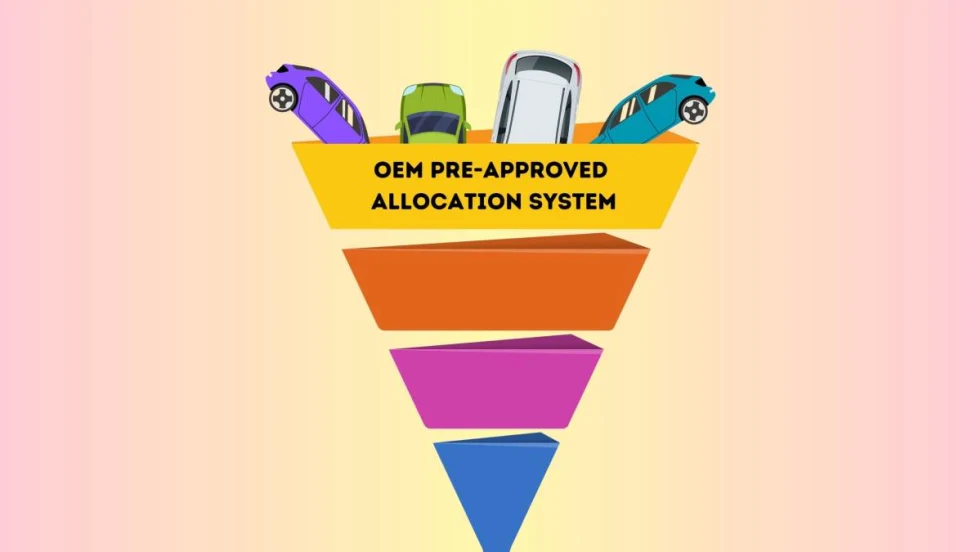
Scheduled Replacement Cycles Are Becoming a Distant Memory
The ongoing difficulty in sourcing replacement vehicles is forcing companies to extend the service lives of vehicles that are unable to be replaced, which, inevitably, increases unscheduled maintenance expenses.
Read More →
Fleet Simplification is the Antidote to Asset Variability
Fleet simplification identifies asset functions to uncover commonality among the equipment and assets. Simplification increases operational efficiency as end-users become accustomed to the controls, displays, and operation of less diverse units.
Read More →
The Dangers of Static Fleet Policies
A fleet policy is a living document, flexible enough to adapt to evolving business priorities, developing industry trends, and changing industry best practices and standards.
Read More →
Short-Term vs. Long-Term Cost Reductions
Corporate procurement staff are often driven by short-term, immediate cost reductions. However, a longer perspective to soft cost savings is critical because fixating on short-term results will hurt a company in the long run.
Read More →
Uptick in Unscheduled Maintenance Increasing Vehicle Downtime
Fleet data analysis can identify recurring downtime issues. It’s important to determine the root causes of downtime so procedures can be developed to minimize such problems.
Read More →
Eliminate Needless Curb Weight to Maximize ICE & EV Efficiencies
Vehicle weight relates directly to fuel economy. In today’s era of electrification, there is also a direct correlation between vehicle weight and battery range.
Read More →
Tech Dependence Risks Dumbing Down Fleet Manager Expertise
The line between creative thinking and problem solving and doing what the data indicates is thin. To lead in fleet management, you need to balance understanding the fundamentals and embracing what smart technology offers.
Read More →
Leverage the Synergy of Safe Driving to Achieve Sustainability and Cost Goals
Safe driving, emission reductions, and cost containment can all be achieved at the same time.
Read More →
The Playbook for Fleet Manager Success
There are many paths to success — most of them involve being flexible, open-minded, and willing to learn.
Read More →