




Technician Shortage May Force Increased Maintenance Outsourcing by Government & Utility Fleets
The technician shortage is not a new problem, but it is a very real one that is only getting worse as the years progress.
This was borne out recently when the shortage of technicians was the second greatest concern voiced by fleet managers in a recent survey conducted by the National Association of Fleet Administrators. (The No. 1 concern was the current economic recession.) According to the survey, fleet managers managing in-house maintenance facilities are "looking for direction in finding qualified technicians, keeping them from jumping to the private sector, and maintaining the requisite level of training in a changing field." Here is the heart of the problem. The automotive industry loses approximately 60,000 technicians annually through attrition, retirement, promotions, or career changes. But only 2 percent of all students (13-18 years old) are interested in a career in the automotive service industry, according to a January 2002 study by Automotive Retailing Today, a coalition of auto manufacturers and dealer organizations. Compounding this problem is that there will be an additional 35,000 new automotive service jobs created annually between 2002 and 2010. The bottom line is that students are not becoming technicians due to the negative "grease monkey" image and stigma of a blue collar versus white collar job. The Problem is Only Getting Worse for Fleets The shortage of technicians is particularly acute for fleet maintenance operations. Searches to fill open positions are becoming more lengthy. "Our experience is that the number of qualified applications has dwindled to nearly zero in the past two years," said Bill Douglas, CAFM, fleet manager for the city of Boulder, CO. "The last two positions we filled were vacant six months each before we found a single qualified applicant. The ones we found were good, but it took a long time to get them." Another reason for the shortage of technicians at government fleet operations is the salary disparity compared to private employers. When compared to the private sector, government wages are simply not competitive. Dealerships, which face the same technician shortage, have responded by increasing salaries and offering higher commissions to attract technicians. A master technician at a dealership can earn between $70,000-$100,000, a salary range fleets cannot compete against. But even this isn't enough. Some dealerships are being forced to recruit technicians from overseas. Other market forces are also at work that promise to make the technician shortage more severe in coming years. One is the increasing integration of computers into automotive design, which is ratcheting up the skill set required by technicians. As vehicles become more high-tech, one consequence will be increased downtime and increased diagnostic costs, since there will be fewer qualified technicians on staff. This will create a situation for some fleets with smaller maintenance staffs to outsource more service work in order to maintain a high level of fleet utilization. Another emerging problem will be the shortage of technicians able to work on alternative-fuel vehicles, which government fleets are mandated to purchase by the Energy Policy Act of 1992. Fleets Need to Market Their Advantages Despite the salary disparities, there are a number of advantages that government fleets have over the private sector. These include attractive benefit packages, better health insurance coverage, pension plans, a greater number of paid holidays, and, in some cases, union membership. "We offer a more stable work environment that is less subject to fluctuations in the economy and without the pressure of flat rate production," said Dave Carr, manager of motor pool operations for the University of Washington. But governments need to do more, adds John Cailey, fleet supervisor for the public works department of Schaumburg, IL. "Although governments have a great benefit package compared to the private sector, young people 'want the money.' The government could do a better job of addressing this issue if they had a more flexible 'cafeteria plan' when it comes to benefits," said Cailey. Another proactive solution is to develop a strategic alliance with local community colleges and vocational training centers to find the best mechanics and nurture this talent as prospective future employees, said Ruth Alfson, CAFM, program manager for Seminole County in Sanford, FL. One fleet operation has even created a scholarship program for students interested in studying automotive and fleet maintenance. Other fleet operations have mentoring programs; however, with a few of these, the city attorney has worried about liability exposure should a student apprentice be injured while training on government premises. Despite proactive efforts, one thing is certain; unless more students choose to work in the automotive service industry, there will continue to be a shortage of technicians and it will have a negative effect on the fleet industry. Let me know what you think.
More Blog Posts

Fleets Want Trust Restored with Suppliers
During this period of ongoing supply constraints, the trust that fleet managers had with OEMs, upfitters, and dealers has been strained. Fleet managers say they have had too many experiences over the past three years coping with erroneous information, adjusting to multiple price increases, and feeling betrayed by inadequate transparency from suppliers.
Read More →
Scheduled Replacement Cycles Are Becoming a Distant Memory
The ongoing difficulty in sourcing replacement vehicles is forcing companies to extend the service lives of vehicles that are unable to be replaced, which, inevitably, increases unscheduled maintenance expenses.
Read More →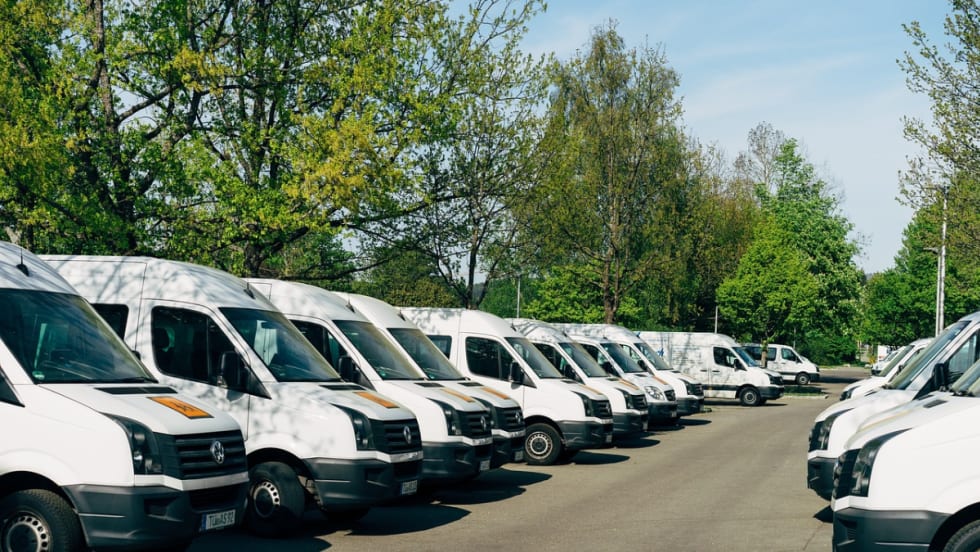
Fleet Simplification is the Antidote to Asset Variability
Fleet simplification identifies asset functions to uncover commonality among the equipment and assets. Simplification increases operational efficiency as end-users become accustomed to the controls, displays, and operation of less diverse units.
Read More →
The Dangers of Static Fleet Policies
A fleet policy is a living document, flexible enough to adapt to evolving business priorities, developing industry trends, and changing industry best practices and standards.
Read More →
Short-Term vs. Long-Term Cost Reductions
Corporate procurement staff are often driven by short-term, immediate cost reductions. However, a longer perspective to soft cost savings is critical because fixating on short-term results will hurt a company in the long run.
Read More →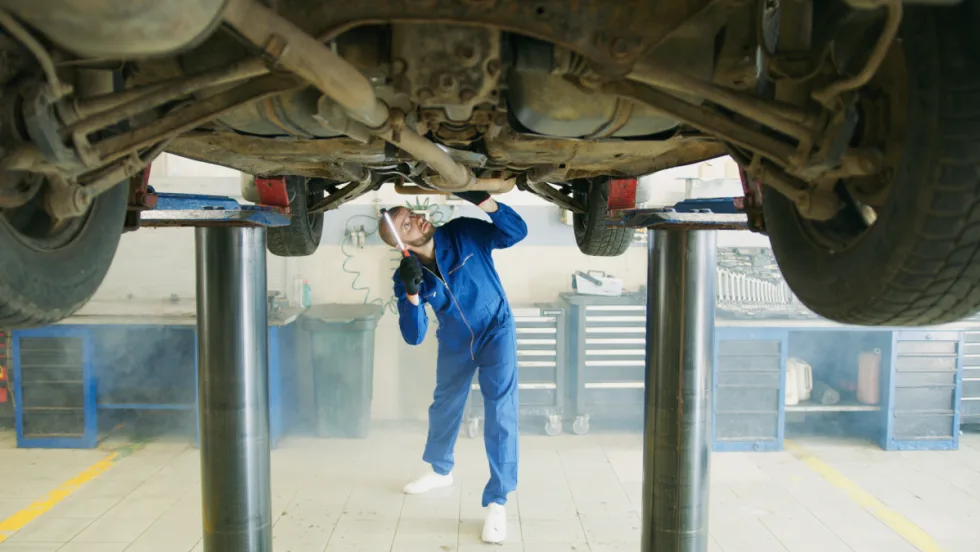
Uptick in Unscheduled Maintenance Increasing Vehicle Downtime
Fleet data analysis can identify recurring downtime issues. It’s important to determine the root causes of downtime so procedures can be developed to minimize such problems.
Read More →
Eliminate Needless Curb Weight to Maximize ICE & EV Efficiencies
Vehicle weight relates directly to fuel economy. In today’s era of electrification, there is also a direct correlation between vehicle weight and battery range.
Read More →
Tech Dependence Risks Dumbing Down Fleet Manager Expertise
The line between creative thinking and problem solving and doing what the data indicates is thin. To lead in fleet management, you need to balance understanding the fundamentals and embracing what smart technology offers.
Read More →
Leverage the Synergy of Safe Driving to Achieve Sustainability and Cost Goals
Safe driving, emission reductions, and cost containment can all be achieved at the same time.
Read More →
The Playbook for Fleet Manager Success
There are many paths to success — most of them involve being flexible, open-minded, and willing to learn.
Read More →