





Related: Negligent Entrustment Is Based on What You Should Have Known
Punitive Damages May Not be Covered by Commercial General Liability Insurance
Although most commercial fleets self-insure or have large deductible programs for their fleet to cover vehicle damage, most carry commercial general liability insurance for bodily injury or property damage caused by their company vehicle or employee.
August 12, 2019
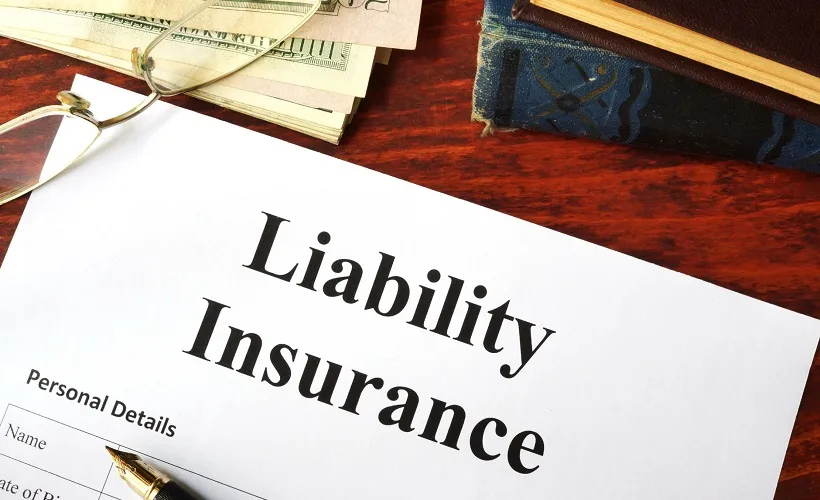
When a business chooses self-insurance as a risk management strategy, it doesn’t buy a policy from an insurance company, instead it creates a loss fund to pay for any expenses resulting from an accident including physical damage to the company’s vehicles, property damage, and third-party liability claims.
Photo courtesy of designer 491.
5 min to read
One risk management technique used by some commercial fleets is to self-insure all or some of its exposure by setting aside a pool of money to be used to pay for losses. These companies have decided that self-insurance is more economical than buying commercial auto insurance from a third party.
When a business chooses this risk management strategy, it doesn’t buy a policy from an insurance company, instead it creates a loss fund to pay for any expenses resulting from an accident including physical damage to the company’s vehicles, property damage, and third-party liability claims.
Typically, a self-insured vehicle owner has to demonstrate financial solvency necessary to meet a state’s minimum liability insurance requirements. In some states, certificates of self-insurance are required for eligibility.
Often this is done by purchasing a bond for a certain amount of money to demonstrate the capability of meeting financial obligations in the event of an accident. For instance, if you operate a DOT regulated truck fleet, a company can self-insure by meeting the Federal Motor Carrier Safety Administration’s (FMCSA) financial responsibility requirements by issuing bonds or letters of credit.
Some smaller business owners will have a higher deductible for collision and comprehensive insurance, which amounts to partial self-insurance against loss or damage to a company vehicle. Other self-insured fleets acquire aggregate stop-loss insurance to cap potential losses.
“An aggregate stop-loss policy is designed to limit the exposure a company will experience when self-insuring,” said Tracy Decker, VP, commercial insurance operations for Holman Risk Partners. “This coverage protects the business against claims that are higher than expected by capping a company’s financial loss and protects against a catastrophic incident that potentially could bankrupt a company.”
In essence, an aggregate stop-loss insurance is a policy designed to limit claim coverage (losses) to a specific amount. This coverage ensures that a catastrophic claim (specific stop-loss) or numerous claims (aggregate stop-loss) do not drain the financial reserves of a self-funded insurance plan.
Exposure to Punitive Damage Awards
Although most commercial fleets self-insure or have large deductible programs for their fleet to cover vehicle damage, most carry commercial general liability insurance for bodily injury or property damage caused by their company vehicle or employee.
When property damage and/or bodily injuries are egregious or catastrophic, it may be adjudicated by a jury trial. Sometimes a jury has the right to award punitive damages to “right a wrong” or to punish the offender with the idea of it deterring others who may engage in similar future conduct. Among non-risk management professionals, there is often a mistaken assumption that a commercial liability policy will pay for the punitive damages, which may not always be the case.
Although many states allow liability policies to insure against punitive damages, there are a number of states where this is illegal. The rationale is that insuring punitive damages circumvent the purpose of awarding damages in the first place, which is to right a wrong. In the U.S., each state establishes its own guidelines to insuring against punitive damages and the types of acts that are insurable.
For instance, Florida state law generally prohibits insurance coverage for punitive damages for the direct wrongful conduct of an insured. However, Florida law recognizes an exception to that prohibition when punitive damages are sought for vicarious liability. Each state makes distinctions between “directly” assessed damages — wrongful actions made by the insured — and “vicariously” assessed damages — wrongful actions of others where the insured is legally liable.
In a workplace context, an employer can be vicariously liable for the negligent acts or omissions by its employees, provided it can be shown that they took place under the respondeat superior doctrine, which is a Latin phrase that means “let the master answer.”
This legal doctrine holds an employer legally responsible for the wrongful acts of an employee or agent, if such acts occur within the scope of the employment. When respondeat superior is invoked, a plaintiff will look to hold both the employer and the employee liable.
Changing Fleet Applications
When fleet business applications change, it is important to inform your commercial insurance broker because the existing commercial general liability insurance may not provide coverage to the new operation. When changes are made in business operations, it is necessary to update insurance coverage to accurately reflect current business practices.
For example, let’s say you own a hauling company and decide to expand into the towing business. If you didn’t provide information about the new business application to the insurer, the commercial general liability policy may not provide coverage if one of your tow trucks damages a parked car.
Although insurance responsibilities typically fall outside a fleet manager’s realm of responsibilities, it is important to be aware of the different state laws that affect corporate liability exposure, especially when you are managing a nationally dispersed fleet. In addition, fleet management plays an important role in minimizing loss exposure by enforcing fleet safety policies and implementing fleet safety programs to help deter preventable accidents.
“An award of punitive damages in a single case can destroy an otherwise healthy business,” said Decker. “A good start to minimize the possibility of punitive damages is to establish a strong safety program and enforcing driver policy without exceptions.”
In the final analysis, a fleet manager is a crucial component in corporate risk management by instituting the policies and programs that help to minimize corporate liability exposure.
Let me know what you think.
Subscribe to Our Newsletter
More Blog Posts

Fleets Want Trust Restored with Suppliers
During this period of ongoing supply constraints, the trust that fleet managers had with OEMs, upfitters, and dealers has been strained. Fleet managers say they have had too many experiences over the past three years coping with erroneous information, adjusting to multiple price increases, and feeling betrayed by inadequate transparency from suppliers.
Read More →
Scheduled Replacement Cycles Are Becoming a Distant Memory
The ongoing difficulty in sourcing replacement vehicles is forcing companies to extend the service lives of vehicles that are unable to be replaced, which, inevitably, increases unscheduled maintenance expenses.
Read More →
Fleet Simplification is the Antidote to Asset Variability
Fleet simplification identifies asset functions to uncover commonality among the equipment and assets. Simplification increases operational efficiency as end-users become accustomed to the controls, displays, and operation of less diverse units.
Read More →
The Dangers of Static Fleet Policies
A fleet policy is a living document, flexible enough to adapt to evolving business priorities, developing industry trends, and changing industry best practices and standards.
Read More →
Short-Term vs. Long-Term Cost Reductions
Corporate procurement staff are often driven by short-term, immediate cost reductions. However, a longer perspective to soft cost savings is critical because fixating on short-term results will hurt a company in the long run.
Read More →
Uptick in Unscheduled Maintenance Increasing Vehicle Downtime
Fleet data analysis can identify recurring downtime issues. It’s important to determine the root causes of downtime so procedures can be developed to minimize such problems.
Read More →
Eliminate Needless Curb Weight to Maximize ICE & EV Efficiencies
Vehicle weight relates directly to fuel economy. In today’s era of electrification, there is also a direct correlation between vehicle weight and battery range.
Read More →
Tech Dependence Risks Dumbing Down Fleet Manager Expertise
The line between creative thinking and problem solving and doing what the data indicates is thin. To lead in fleet management, you need to balance understanding the fundamentals and embracing what smart technology offers.
Read More →
Leverage the Synergy of Safe Driving to Achieve Sustainability and Cost Goals
Safe driving, emission reductions, and cost containment can all be achieved at the same time.
Read More →
The Playbook for Fleet Manager Success
There are many paths to success — most of them involve being flexible, open-minded, and willing to learn.
Read More →