




Negligent Entrustment Is Based on What You Should Have Known
Negligent entrustment lawsuits typically focus on whether the company has an established safety policy and whether it enforces those policies.

While negligent entrustment is an ever-present concern, a recent jury verdict percolated it to the top of everyone’s attention.
Photo: Bobit
When a fleet vehicle is involved in a preventable accident, there is a high probability that the plaintiff’s attorney will seek to prove the company was guilty of negligent entrustment.
In fleet management, negligent entrustment refers to entrusting someone with a dangerous device (namely a company vehicle) and the entrusted party negligently causes injury, suffering, unfair loss, or harm to another person. The body of law that deals with this wrongdoing is called tort law and under tort law, the entrustor (the company) is held liable for this negligence.
Simply put, a company can be liable for any accidents or other problems if it can be shown that the company was negligent in its entrustment of a vehicle to a driver or the selection and maintenance of that vehicle. To minimize negligent entrustment exposure, all vehicles used in the course of business — whether owned by the company or the individual drivers — must be maintained properly, and this must be documented on an ongoing basis.
While negligent entrustment is an ever-present concern, a recent jury verdict percolated it to the top of everyone’s attention. On July 19, 2018, a jury in Texas awarded a plaintiff $101 million for a crash with a tractor-trailer in 2013. The indictment held both the company and its driver responsible, arguing the company was negligent in hiring the driver in the first place. The jury found the driver to be 70% at fault with the company at fault for the remaining 30%. The company’s negligence was calculated at $75 million. The plaintiff’s attorneys argued the company negligently hired the employee by violating its own safety policies and was negligent in its training and supervision contributing to the crash.
Most states impose liability when an employer knew or should have known that an employee was unfit to drive a vehicle, or that a vehicle was unsafe to operate. This standard means that companies must be able to show that they did everything they reasonably could to prevent an accident; otherwise actions it did or didn’t take might be construed as negligent entrustment.
MVRs Are Mandatory
In many ways, defending against negligent entrustment is demonstrating there is a process in place and the process is enforced. When a lawsuit results, you need to be able to produce documentation of any inappropriate actions by the driver, and proof that you did whatever you could to correct the situation.
Some companies take the approach that they can’t be held liable for something they don’t know, but that is the case with negligent entrustment. The standard is “should have known.” It is mandatory that a company pull motor vehicle reports (MVRs) during the hiring process to eliminate prospective employees who have a poor driving record. It is also wise to conduct MVRs on existing drivers at least once a year to see if their records have changed. Drivers may be involved in accidents, or they may get ticketed off the clock. It is important to stay up-to-date on this information. If MVRs are not monitored and a driver causes an accident, a negligent entrustment case will be close to impossible to win.
In addition, it is important to beware of expunged MVR records. Many states have a process where drivers can remove part of their driving record from view, hiding violations from potential employers. Most states, however, do not prohibit you from asking applicants about expunged records. Prospective drivers should be asked to list the violations, and you can decide whether or not to employ them. If a driver conceals expunged records, you are in a better position to defend a negligent entrustment claim.
As an aside, it is important to note aggressive attorneys will seek to extend company’s liability to employees who use their own personal vehicles to conduct any kind of company business. It is important to pull MVRs on occasional drivers and those who are reimbursed for the business use of their personal vehicles.
Training Is Often Overlooked
Many employers don’t provide operational training on using vehicles and vehicle-mounted equipment. All drivers should receive training upon being hired and that should be updated at least annually to ensure employees are qualified and remain up-to-date on new equipment, policies, and procedures.
This includes not only a vehicle, but also the operation of add-on equipment upfitted to a vehicle. A great deal of risk and potential liability can result from improper use of add-on equipment or ignoring faulty add-on equipment. Employers put themselves and others at great risk when they fail to train their employees on the proper use of equipment. Failure to ensure that employees fully comply with equipment-use policies will increase liability exposure.
You should have policies about the proper and improper use of add-on equipment. These policies should be regularly updated to ensure that they are applicable to the equipment that is actually in use. Toleration of violations of these policies without correction will be used to demonstrate negligence. Document that employees have been trained and discipline those who do not follow procedure. Employees should not modify equipment as any modifications may invalidate manufacturers’ warranties and release them from liability for injuries caused by defective equipment.
Negligent entrustment lawsuits typically focus on whether the company has an established safety policy and whether it enforces those policies. It is important to remember the standard for negligent entrustment is not whether the employer knows it has put people at risk; it is whether the employer should have known.
More Blog Posts
Fleets Want Trust Restored with Suppliers
During this period of ongoing supply constraints, the trust that fleet managers had with OEMs, upfitters, and dealers has been strained. Fleet managers say they have had too many experiences over the past three years coping with erroneous information, adjusting to multiple price increases, and feeling betrayed by inadequate transparency from suppliers.
Read More →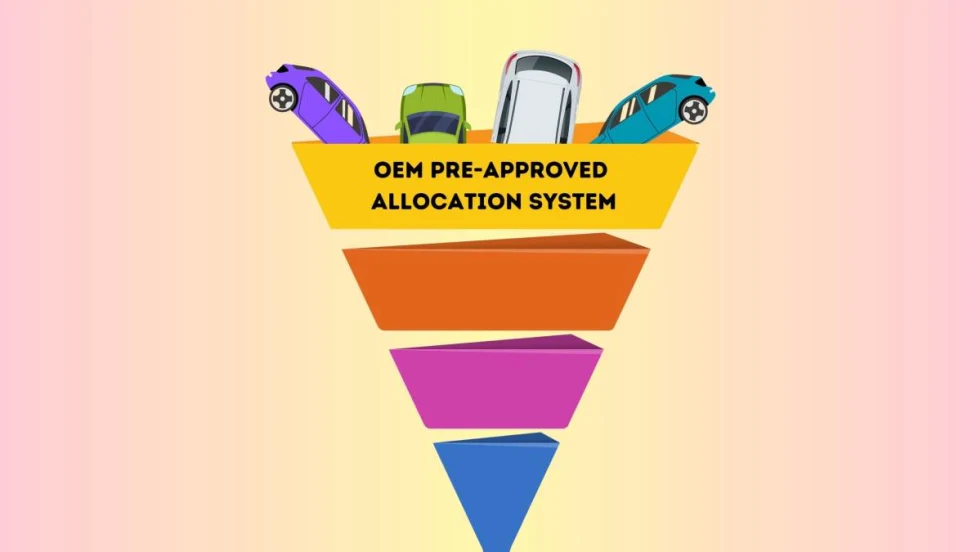
Scheduled Replacement Cycles Are Becoming a Distant Memory
The ongoing difficulty in sourcing replacement vehicles is forcing companies to extend the service lives of vehicles that are unable to be replaced, which, inevitably, increases unscheduled maintenance expenses.
Read More →
Fleet Simplification is the Antidote to Asset Variability
Fleet simplification identifies asset functions to uncover commonality among the equipment and assets. Simplification increases operational efficiency as end-users become accustomed to the controls, displays, and operation of less diverse units.
Read More →
The Dangers of Static Fleet Policies
A fleet policy is a living document, flexible enough to adapt to evolving business priorities, developing industry trends, and changing industry best practices and standards.
Read More →
Short-Term vs. Long-Term Cost Reductions
Corporate procurement staff are often driven by short-term, immediate cost reductions. However, a longer perspective to soft cost savings is critical because fixating on short-term results will hurt a company in the long run.
Read More →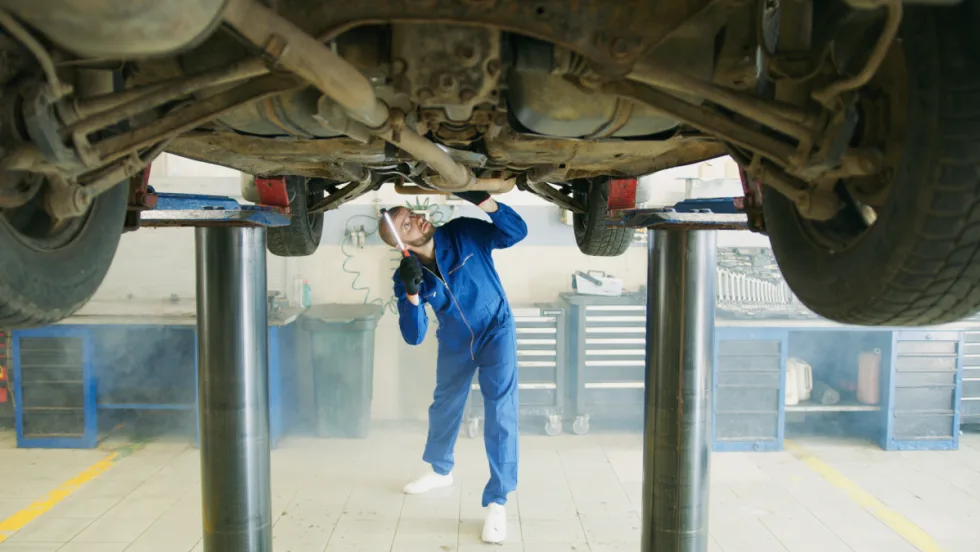
Uptick in Unscheduled Maintenance Increasing Vehicle Downtime
Fleet data analysis can identify recurring downtime issues. It’s important to determine the root causes of downtime so procedures can be developed to minimize such problems.
Read More →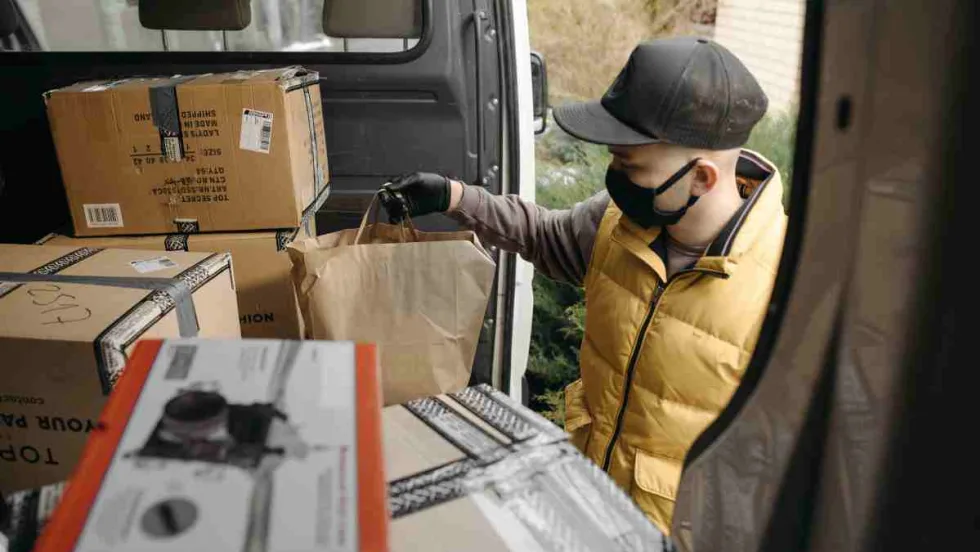
Eliminate Needless Curb Weight to Maximize ICE & EV Efficiencies
Vehicle weight relates directly to fuel economy. In today’s era of electrification, there is also a direct correlation between vehicle weight and battery range.
Read More →
Tech Dependence Risks Dumbing Down Fleet Manager Expertise
The line between creative thinking and problem solving and doing what the data indicates is thin. To lead in fleet management, you need to balance understanding the fundamentals and embracing what smart technology offers.
Read More →
Leverage the Synergy of Safe Driving to Achieve Sustainability and Cost Goals
Safe driving, emission reductions, and cost containment can all be achieved at the same time.
Read More →
The Playbook for Fleet Manager Success
There are many paths to success — most of them involve being flexible, open-minded, and willing to learn.
Read More →