




More Factors Point to an Impending Used-Vehicle Shortage
The past two weeks have produced a dizzying string of announcements ranging from Chrysler Financial stopping lease financing, Chase Auto Finance no longer providing lease financing for Chrysler brands, Wells Fargo ending lease financing, all major OEMs decreasing truck production volumes, and HSBC Financial Corp.’s decision to stop funding auto loans. All of which may be good news for fleets remarketing vehicles two to three years from now.

By Mike Antich
The industry's annualized selling rate for July was 12.6 million vehicles, the lowest since April 1992, according to Autodata. Full-year sales in 2007 were 16.1 million, 16.5 in 2006, and 17 million in 2005. Not only are there fewer new vehicles being sold, but there is also a corresponding decrease in trade-ins. If the new-vehicle market generates the used vehicles of tomorrow, then it appears there will be fewer used vehicles in the future. This is a classic formula of action/reaction. If new-vehicle sales decrease, especially over a multiyear period, then it stands to reason there will be a corresponding decrease in the future number of used vehicles available in the wholesale market.
A growing amount of data is adding substantiation to this hypothesis, especially in light of industry events that occurred in the past two weeks.
On July 25, Chrysler Financial announced it would stop financing leases.Several days later, Chase Auto Finance, a unit of JPMorgan Chase & Co., announced it would not provide lease financing for Chrysler brands. Similarly, Wells Fargo & Co. stopped financing all auto leases. GM said it will continue to offer retail leases, but Mark LaNeve, VP for North American sales and marketing, said GM hopes to cut leasing so that it accounts for only 10-15 percent of its business.
As Chrysler’s portfolio of leases reach end-of-term over the next few years, the number of off-lease vehicles thereafter will decline. On Aug. 1, Chrysler announced several finance packages “to make buying as affordable as renting.”These include 72-month financing on a wider range of vehicles and $2,000 cash-back on certain purchases financed by Chrysler Financial.The 72-month financing deals are designed to allow customers to buy vehicles with monthly payments similar to leases. The one difference is that a lease customer is out of the vehicle in 24 to 36 months, while financed customers are typically in vehicles for the full six years, further decreasing the volume of future trade-ins.
Another thing is also certain; far fewer trucks will be built than in the immediate past. GM Chief Operating Officer Fritz Henderson said the automaker intends to reduce truck production capacity by 300,000 units. Likewise, all other OEMs are reducing their truck production.
This drum beat continued on Aug. 4, when HSBC Finance Corp. announced it will stop making new auto loans through
dealerships and direct-to-consumer channels. Although HSBC does not finance auto leases, it does remarket repos when customers default on loans. The repo market represents a significant segment of the wholesale market. For instance, 1.5 million vehicles were repossessed in 2007 and primarily remarketed through wholesale auctions. I believe tighter credit restrictions on subprime consumers will decrease the number of repos in future years. Finance companies such as HSBC almost exclusively remarket repos at auction. The withdrawal of a major industry player such as HSBC, along with fewer loans to marginal-credit consumers, will result in a decreased volume of repos, creating another downward ratchet in used-vehicle supply (As an aside, my hunch is that there will be more announcements similar to HSBC forthcoming from another industry player or two.)
In my view, all of this points to a decreased supply of used vehicles for the wholesale market two to three years from now. If you accept the truism that new-vehicle retail sales “manufactures” the used vehicles of tomorrow, we should anticipate a smaller inventory of used vehicles in the wholesale market in the future.
“If we’re not building as many new vehicles, where will the future used-vehicle supply come from?” said Darrin Aiken, assistant vice president, remarketing for Wheels Inc. “If we have dismal new-vehicle markets in 2009 and 2010, there is a distinct possibility there may be a shortage of used cars three years afterwards. When there is a shortage of inventory, experience tells us resale prices will increase.”
There is a lag time in the “used-vehicle manufacturing” process. For instance, the 2009 models fleets are currently ordering will not enter the wholesale used-vehicle market until 2011 or 2012. Our economy functions in cyclical business cycles and eventually there will be a cyclical upswing.When this occurs, there may be a tight supply of used vehicles, especially trucks, due to the pent-up needs of the construction industry, which is currently deferring the purchase of replacement vehicles.
A lower supply of used vehicles means demand (especially in a
recovering economy) will exceed supply. This will create a “rising tide” effect
of stronger demand for all used vehicles, resulting in higher resale prices.
More Blog Posts
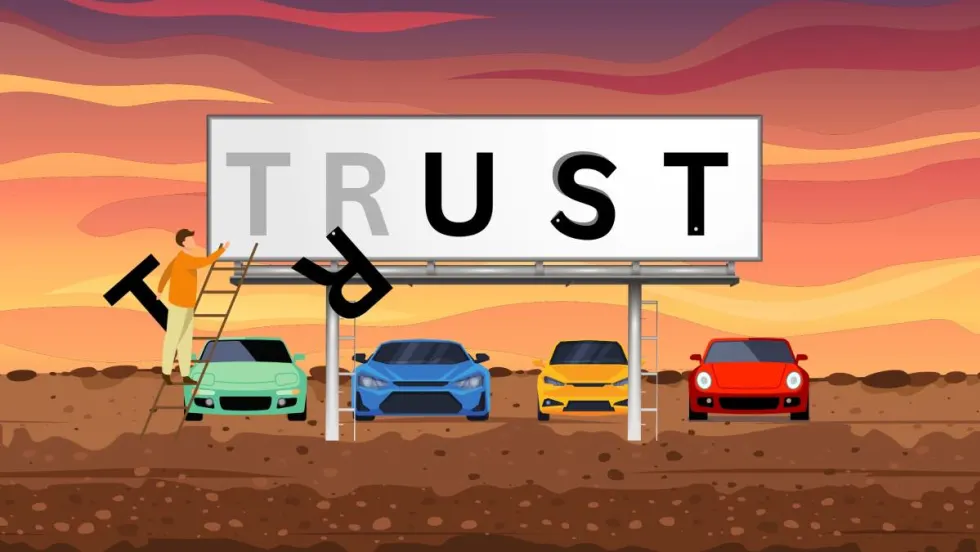
Fleets Want Trust Restored with Suppliers
During this period of ongoing supply constraints, the trust that fleet managers had with OEMs, upfitters, and dealers has been strained. Fleet managers say they have had too many experiences over the past three years coping with erroneous information, adjusting to multiple price increases, and feeling betrayed by inadequate transparency from suppliers.
Read More →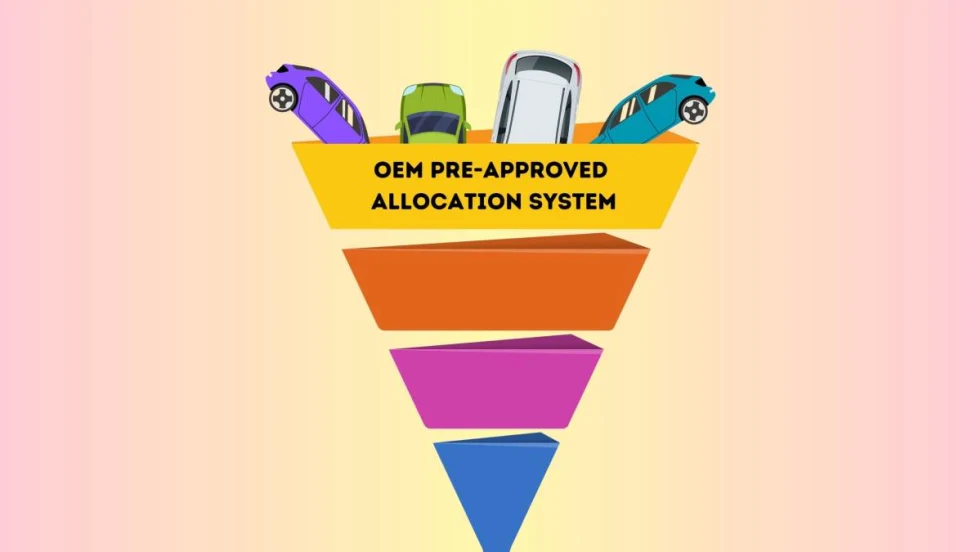
Scheduled Replacement Cycles Are Becoming a Distant Memory
The ongoing difficulty in sourcing replacement vehicles is forcing companies to extend the service lives of vehicles that are unable to be replaced, which, inevitably, increases unscheduled maintenance expenses.
Read More →
Fleet Simplification is the Antidote to Asset Variability
Fleet simplification identifies asset functions to uncover commonality among the equipment and assets. Simplification increases operational efficiency as end-users become accustomed to the controls, displays, and operation of less diverse units.
Read More →
The Dangers of Static Fleet Policies
A fleet policy is a living document, flexible enough to adapt to evolving business priorities, developing industry trends, and changing industry best practices and standards.
Read More →
Short-Term vs. Long-Term Cost Reductions
Corporate procurement staff are often driven by short-term, immediate cost reductions. However, a longer perspective to soft cost savings is critical because fixating on short-term results will hurt a company in the long run.
Read More →
Uptick in Unscheduled Maintenance Increasing Vehicle Downtime
Fleet data analysis can identify recurring downtime issues. It’s important to determine the root causes of downtime so procedures can be developed to minimize such problems.
Read More →
Eliminate Needless Curb Weight to Maximize ICE & EV Efficiencies
Vehicle weight relates directly to fuel economy. In today’s era of electrification, there is also a direct correlation between vehicle weight and battery range.
Read More →
Tech Dependence Risks Dumbing Down Fleet Manager Expertise
The line between creative thinking and problem solving and doing what the data indicates is thin. To lead in fleet management, you need to balance understanding the fundamentals and embracing what smart technology offers.
Read More →
Leverage the Synergy of Safe Driving to Achieve Sustainability and Cost Goals
Safe driving, emission reductions, and cost containment can all be achieved at the same time.
Read More →
The Playbook for Fleet Manager Success
There are many paths to success — most of them involve being flexible, open-minded, and willing to learn.
Read More →