




Maximizing Utilization Maximizes Truck Revenue
If you want to provide added value to your company, you need to view fleet as a business and not simply an aggregation of assets to be managed cost-effectively. The fastest way to improve your bottom line is to increase fleet utilization, which increases the productivity of each individual truck.

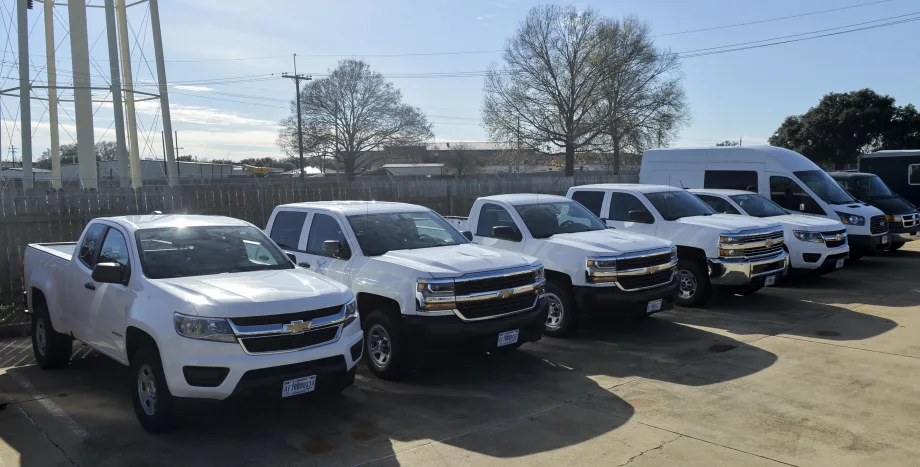
Optimizing fleet utilization is a key KPI for most fleet managers. Fleet managers must ask themselves: How can the utilization of a truck be maximized to get more done, faster, and at the lowest possible cost of ownership?
Fleet managers are experts at managing assets. But if you want to provide added-value to your company, you need to view fleet as a business and not simply an aggregation of assets to be managed cost-effectively. Regardless of the fleet application or industry segment, all companies strive to maximize truck utilization. Optimal utilization maximizes the revenue produced by these assets that is applicable to any metric used by your company, such as lowering the cost per pound of a shipment, increasing revenue per route, expanding the number of service calls per day, or decreasing vehicle downtime. Conversely, under-utilized vehicles add unnecessary costs to a fleet. In addition to being a depreciating asset, under-utilized vehicles have to be registered and maintained whether or not they are attaining their full revenue potential.
Optimizing fleet utilization is a key KPI for most fleet managers. Fleet managers must ask themselves: How can the utilization of a truck be maximized to get more done, faster, and at the lowest possible cost of ownership? To strategically improve fleet utilization requires a deep-dive examination of each individual vehicle to make the incremental changes that will add up to larger savings. This is an arduous task since the complexity involved in analyzing individual vehicle data, varying by type, across a broad range of metrics and over different periods of time makes it very difficult. But, in the end, a well-utilized fleet will not only boost productivity and decrease costs, but it will subsequently increase corporate profitability because these savings and supplemental revenues go straight to the bottom line.
Adopting a Multi-Pronged Strategy
Fleet managers must adopt a multipronged strategy to increase truck productivity. For instance, how employees drive trucks greatly impacts productivity. Close monitoring of your truck fleet (and drivers) is a key to maximizing productivity and to helping ensure operational cost containment. Fleet productivity increases when drivers adopt more efficient driving techniques. Driver training and telematics can be used to modify driver behaviors.
By taking a hard look at how trucks are spec’ed, along with modifying driver behavior, a fleet manager can find many opportunities to increase productivity and reduce costs. By understanding actual usage, you can determine all truck specifications. Vehicle specifications must be defined by the fleet application and the best way to understand this is by talking with the actual users of the asset. The key objective of your discussions with vehicle end-users is to correctly match the truck with the fleet application.
By understanding the day-to-day application, you will be able to build a truck that meets end-user needs. If possible, schedule site visits to see firsthand how a truck is being used in its work environment. This will also give you the opportunity to confirm firsthand what is really needed as opposed to what a driver or technician may want.
Determining Optimal Fleet Size
Utilization is a key component to determining optimal overall fleet size. Fleets utilization studies generally have one of two outcomes: The results will either help a company right-size its fleet, or it will validate that the fleet already operates with an optimal number of vehicles. At the core of utilization studies is asking fundamental questions: Do you have too many or too few vehicles to meet the demands of your business? How many miles should a vehicle be driven for it to be considered properly utilized?
One way many fleets determine a mileage minimum is by using their current utilization data to determine a baseline. Often there is pushback from user departments who want to retain under-utilized assets “just in case they are needed.” On the other end of the pendulum, some management teams simply reduce the number of vehicles on the road and require the remaining vehicles do more. This isn’t the best strategy when you have various kinds of vehicles, different kinds of services or deliveries, and a diversity of territories or routes that your vehicles travel.
Maximized Utilization Improves the Bottom Line
Today, the imperative for fleet managers is to do more with less. Knowing what assets exist and how they are being used enables a business to get more done with fewer resources.
The fastest way to improve your bottom line is to increase fleet utilization, which increases the productivity of each individual truck. A parked truck is not earning revenue. Similarly, a dead-heading truck is burning fuel without any offsetting revenue. It is a truism in the fleet industry, and perhaps stating the obvious, that maximizing vehicle usage will maximize their revenue potential.
But, as with many truism, the hard part is doing it.
Let me know what you think.
More Blog Posts

Fleets Want Trust Restored with Suppliers
During this period of ongoing supply constraints, the trust that fleet managers had with OEMs, upfitters, and dealers has been strained. Fleet managers say they have had too many experiences over the past three years coping with erroneous information, adjusting to multiple price increases, and feeling betrayed by inadequate transparency from suppliers.
Read More →
Scheduled Replacement Cycles Are Becoming a Distant Memory
The ongoing difficulty in sourcing replacement vehicles is forcing companies to extend the service lives of vehicles that are unable to be replaced, which, inevitably, increases unscheduled maintenance expenses.
Read More →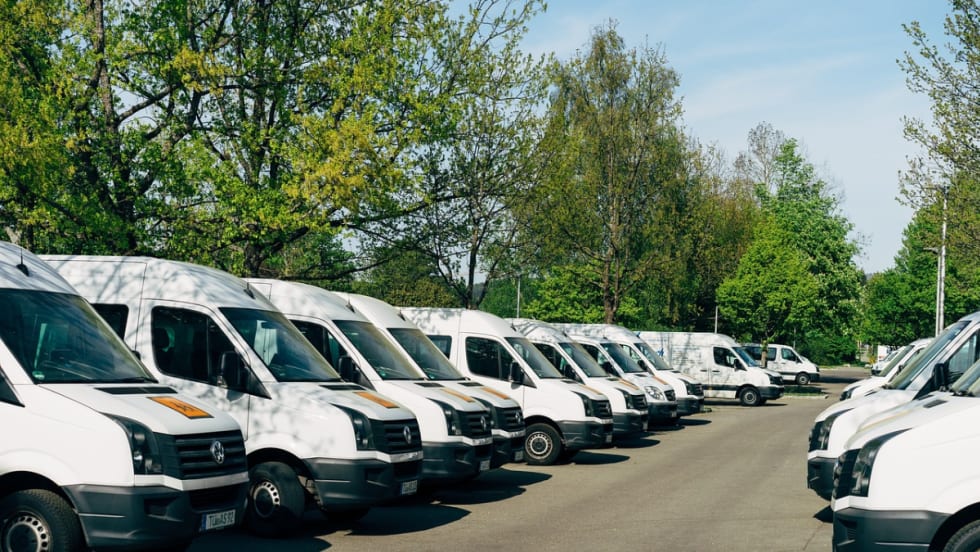
Fleet Simplification is the Antidote to Asset Variability
Fleet simplification identifies asset functions to uncover commonality among the equipment and assets. Simplification increases operational efficiency as end-users become accustomed to the controls, displays, and operation of less diverse units.
Read More →
The Dangers of Static Fleet Policies
A fleet policy is a living document, flexible enough to adapt to evolving business priorities, developing industry trends, and changing industry best practices and standards.
Read More →
Short-Term vs. Long-Term Cost Reductions
Corporate procurement staff are often driven by short-term, immediate cost reductions. However, a longer perspective to soft cost savings is critical because fixating on short-term results will hurt a company in the long run.
Read More →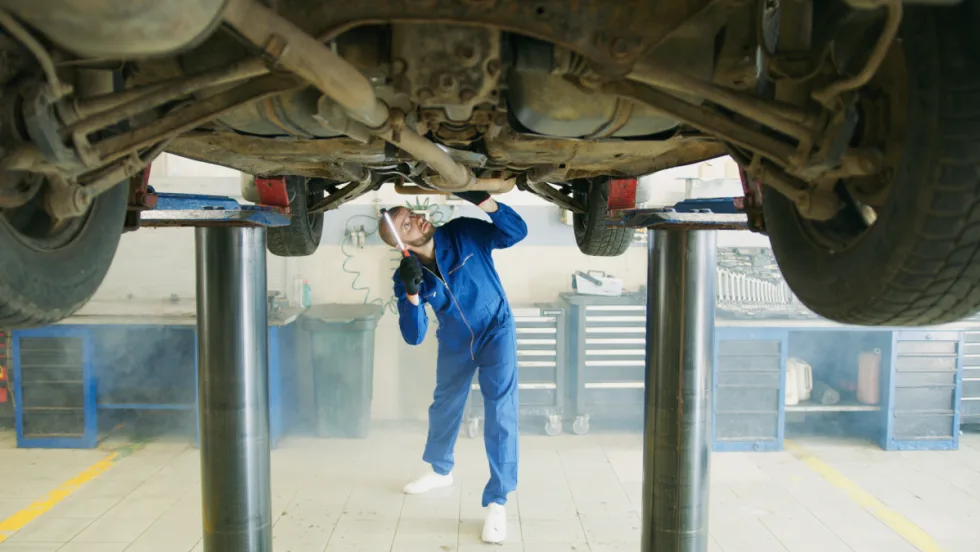
Uptick in Unscheduled Maintenance Increasing Vehicle Downtime
Fleet data analysis can identify recurring downtime issues. It’s important to determine the root causes of downtime so procedures can be developed to minimize such problems.
Read More →
Eliminate Needless Curb Weight to Maximize ICE & EV Efficiencies
Vehicle weight relates directly to fuel economy. In today’s era of electrification, there is also a direct correlation between vehicle weight and battery range.
Read More →
Tech Dependence Risks Dumbing Down Fleet Manager Expertise
The line between creative thinking and problem solving and doing what the data indicates is thin. To lead in fleet management, you need to balance understanding the fundamentals and embracing what smart technology offers.
Read More →
Leverage the Synergy of Safe Driving to Achieve Sustainability and Cost Goals
Safe driving, emission reductions, and cost containment can all be achieved at the same time.
Read More →
The Playbook for Fleet Manager Success
There are many paths to success — most of them involve being flexible, open-minded, and willing to learn.
Read More →