




Lessons Learned From Great Fleet Managers
There is a difference between a well-managed fleet and a best-in-class fleet. A “best-in-class fleet” is one that represents the top-tier performance level in its specific industry segment.

Last week, I was the keynote speaker at the 2017 Australasian Fleet Management Association (AfMA) in Melbourne, Australia. My presentation focused on the conference theme, which was “Successful Fleet Management Requires Knowledge, Collaboration, and Leadership.”
I told the 360 AfMA attendees that I have been studying the fleet management industry for more than 25 years and, over this 25-year-plus period, I’ve been very fortunate to have had the opportunity to interview (and become friends) with many of the greatest fleet managers in North America and Europe. I learned many valuable lessons from these fleet managers on how knowledge, collaboration, and leadership skills can be used to develop a best-in-class fleet operation.
Over the years, I also learned that these fleet managers not only shared many common leadership traits, but they also shared a similar philosophy to fleet management. In general, fleet management philosophy can be divided into two broad categories – tactical or strategic fleet management. In other words, do you manage your fleet on a day-by-day tactical level? Or, do you manage your fleet from a strategic perspective, focusing on achieving specific long-term objectives? A strategic fleet manager is goal oriented, who practices management by objective, while, a tactical fleet manager resolves issues as they arise.
You can be a very successful tactical fleet manager who has the ability to put out day-to-day fires, which will allow the fleet operation to run smoothly, but this means managing your fleet with a short-term perspective. Most fleet managers will say they simultaneously practice both tactical and strategic fleet management. But what is your emphasis? What is your No. 1 priority?
User Collaboration is Critical
There is a difference between a well-managed fleet and a best-in-class fleet. I define a “best-in-class fleet” as one that represents the top-tier performance level in its specific industry segment, which is used as a standard or benchmark.
Based on my experience, the great fleet managers who manage best-in-class fleets have one trait in common. They manage their fleets from a strategic perspective. A tactical fleet manager may be well suited to operate a well-managed fleet, but you need a strategic perspective to operate a best-in-class fleet, which transcends day-to-day fleet management. One of the biggest challenges facing fleet managers is that they get bogged down in the day-to-day operations of running a fleet. You need goal-oriented, long-term planning to manage a best-in-class fleet.
One of the challenges with long-term planning is turning strategies into tactics. You can develop a great fleet strategy, but it will be useless unless you can effectively implement it. A fleet manager with a long-term perspective sets the strategic goals and then develops the tactics to implement these strategies.
One byproduct of strategic fleet management is synergistic interdepartmental collaboration. To be a successful, it is critical that you cultivate an environment of interdepartmental cooperation. What I have learned from great fleet managers is that they focus on the needs of internal fleet customers, establishing a cooperative working relationship with all departments that interact with fleet.
As the fleet manager, you occupy a critical role in your organization’s hierarchy because your job responsibilities intersects with other departments, such as HR, sales, procurement, risk management, legal, finance, and administrative services. These are your internal fleet customers. As fleet manager, you need to focus on their needs. Unfortunately, too many fleet managers have adversarial relationships with their internal customers.
Interdepartmental cooperation is critical to operating a best-in-class fleet operation. You must strive to closely align your fleet operations with the needs of your user departments. But, as we all know, this is often easier said than done. Creating a cooperative relationship with a contentious user department is not a one-way street with all of the compromise being done by fleet.
User departments also have a responsibility. A user department needs to be an active partner in meeting management mandates and the long-term goals of your fleet operations. Sometimes it is necessary to involve senior management to resolve interdepartmental differences. While it is crucial to have interdepartmental cooperation, in the real-world, not every manager of a user department is a team player.
Also, the needs of some user departments are in conflict with the fleet needs of other user departments. For instance, there is the constant challenge of balancing the requirements of HR and driver requests against the requirements of the finance department and procurement. Often these requirements contradict one another. Your primary job is to manage the fleet to support the objectives of the user groups. A fleet manager must view their responsibilities from the perspective of the internal customers and to manage the fleet to support the objectives of these user groups.
Fleet Exists to Serve User Departments
It is important to remember that without internal fleet customer groups, there is no need for an in-house fleet manager. The bottom line is that an unhappy internal customer represents a deficiency in our department’s customer service performance. In the final analysis, it is important to remember that fleet operations exist to support user department, not vice versa.
Let me know what you think.
mike.antich@bobit.com
More Blog Posts

Fleets Want Trust Restored with Suppliers
During this period of ongoing supply constraints, the trust that fleet managers had with OEMs, upfitters, and dealers has been strained. Fleet managers say they have had too many experiences over the past three years coping with erroneous information, adjusting to multiple price increases, and feeling betrayed by inadequate transparency from suppliers.
Read More →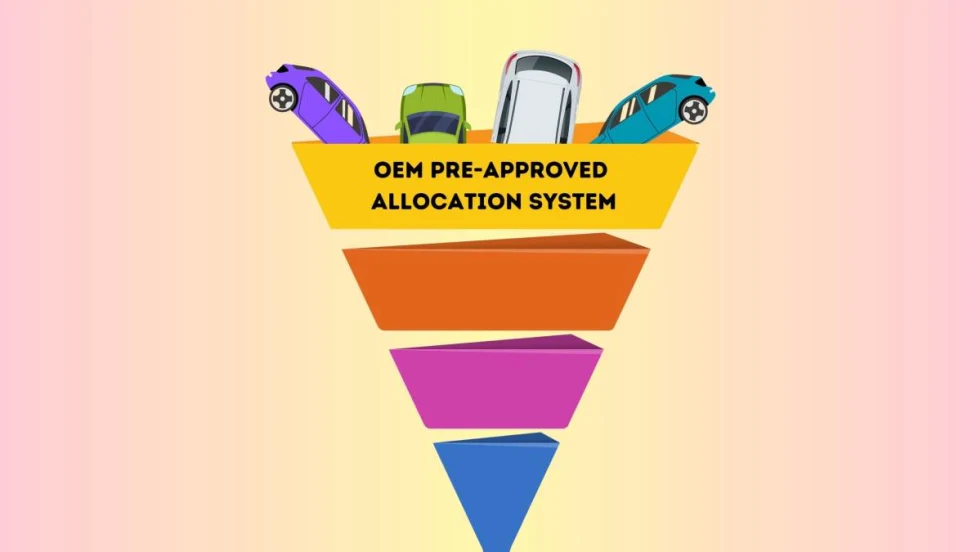
Scheduled Replacement Cycles Are Becoming a Distant Memory
The ongoing difficulty in sourcing replacement vehicles is forcing companies to extend the service lives of vehicles that are unable to be replaced, which, inevitably, increases unscheduled maintenance expenses.
Read More →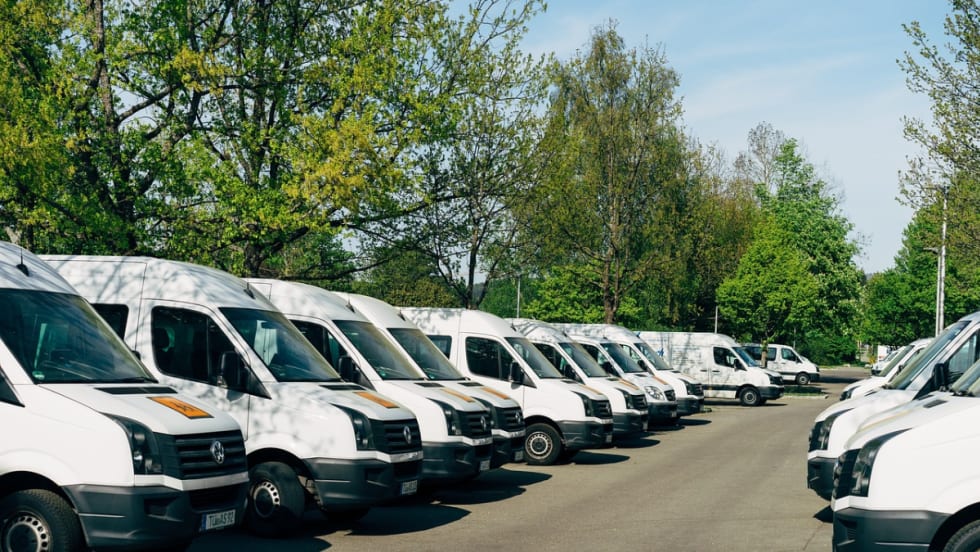
Fleet Simplification is the Antidote to Asset Variability
Fleet simplification identifies asset functions to uncover commonality among the equipment and assets. Simplification increases operational efficiency as end-users become accustomed to the controls, displays, and operation of less diverse units.
Read More →
The Dangers of Static Fleet Policies
A fleet policy is a living document, flexible enough to adapt to evolving business priorities, developing industry trends, and changing industry best practices and standards.
Read More →
Short-Term vs. Long-Term Cost Reductions
Corporate procurement staff are often driven by short-term, immediate cost reductions. However, a longer perspective to soft cost savings is critical because fixating on short-term results will hurt a company in the long run.
Read More →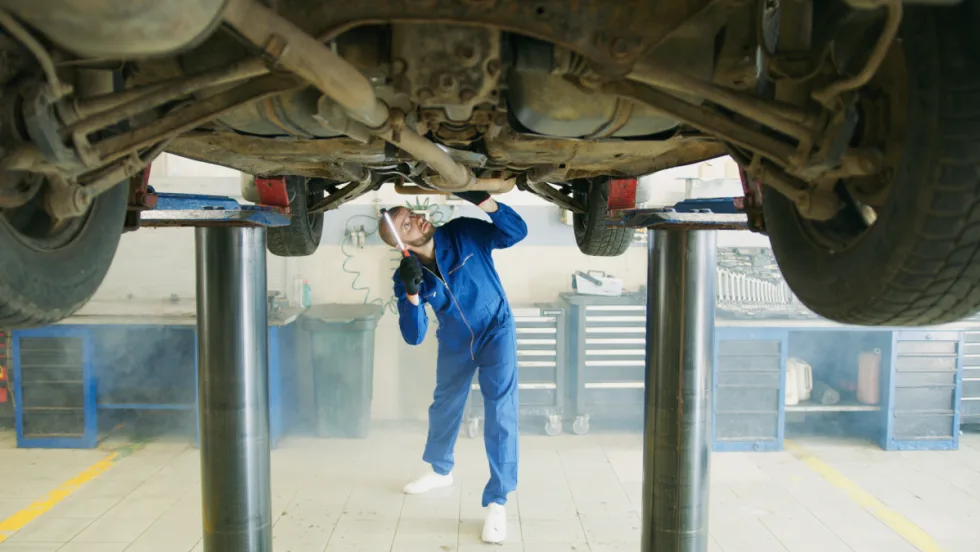
Uptick in Unscheduled Maintenance Increasing Vehicle Downtime
Fleet data analysis can identify recurring downtime issues. It’s important to determine the root causes of downtime so procedures can be developed to minimize such problems.
Read More →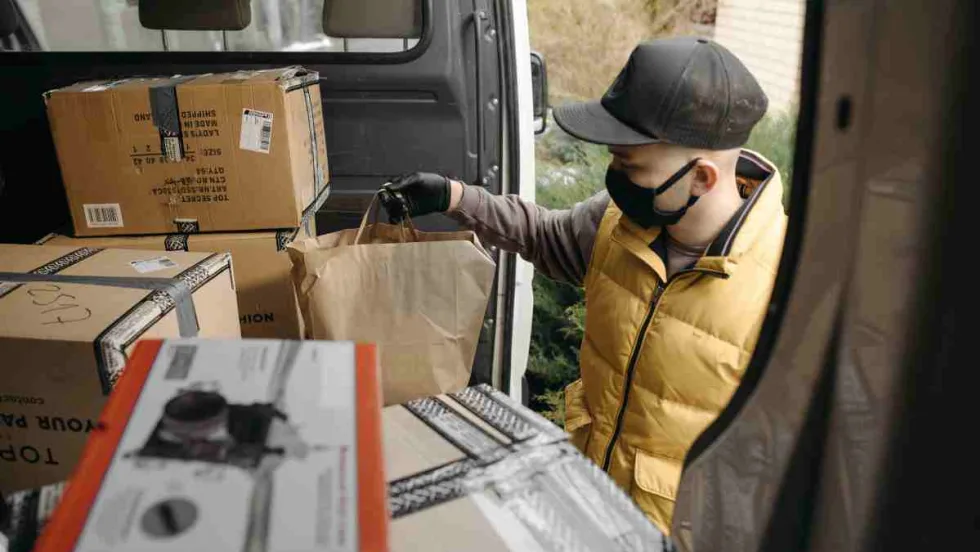
Eliminate Needless Curb Weight to Maximize ICE & EV Efficiencies
Vehicle weight relates directly to fuel economy. In today’s era of electrification, there is also a direct correlation between vehicle weight and battery range.
Read More →
Tech Dependence Risks Dumbing Down Fleet Manager Expertise
The line between creative thinking and problem solving and doing what the data indicates is thin. To lead in fleet management, you need to balance understanding the fundamentals and embracing what smart technology offers.
Read More →
Leverage the Synergy of Safe Driving to Achieve Sustainability and Cost Goals
Safe driving, emission reductions, and cost containment can all be achieved at the same time.
Read More →
The Playbook for Fleet Manager Success
There are many paths to success — most of them involve being flexible, open-minded, and willing to learn.
Read More →