




How to Increase Fleet Policy Compliance
The best time to control cost is before it occurs and the way to do this is by establishing policies and procedures that inhibit unnecessary spending. However, just because your company implements a written fleet policy, it doesn’t mean it is being followed. How do you in-crease driver compliance with fleet policy? Here are 10 suggestions.
The best time to control cost is before it occurs and the way to do this is by establishing policies and procedures that inhibit unnecessary spending. However, just because your company implements a written fleet policy, it doesn’t mean it is being followed. How do you increase driver compliance with fleet policy? Here are 10 suggestions.
1. When developing or reevaluating fleet policy, solicit the participation of all affected departments, such as sales, administration, purchasing, and accounting, along with all vehicle user groups. By involving them in the decision-making process, you will increase the likelihood of their buy-in and support of fleet policies.
2. Make fleet policy easily accessible by drivers and managers by posting it on the company intranet.
3. Your fleet policy manual should be a living document that is updated annually. As changes occur within your company, revise your procedures to reflect these changes. Likewise, eliminate those policies that have become outdated. What was right yesterday may not be right today. Also, as part of your annual fleet policy review, you should survey your drivers to give them an opportunity to express their opinions or dissatisfaction about fleet policies that govern them.
4. Set aside time at company meetings to make fleet policy presentations to the drivers and managers. Also, conduct teleconferences with drivers who work at regional offices. Use these meetings to reemphasize the importance of policy and cost control.
5. Develop a summarized fleet policy pocket manual that drivers can keep in the glove compartment of their vehicle. However, if you do this, it is of utmost importance to keep it updated.
6. Send periodic e-mails or voicemail messages to drivers on specific fleet policy reminders; in particular, on those issues that have higher-than-normal incidents. Also, cc the driver’s supervisor on important items or those supervisors who have drivers that were not within policy.
7. Issue a fleet policy summary sheet with gas cards when they are distributed to drivers. This helps reinforce fleet policy with drivers.
8. Create a newsletter that is mailed or e-mailed to company drivers to promote awareness of fleet policies by providing helpful suggestions on driver safety, vehicle care, and other topics. Likewise, use the company intranet for similar effect. Also, post information on cost savings on the driver Web site, such as maintenance and fuel savings programs and how drivers can take advantage of them.
9. Leave a weekly or monthly message on your voicemail greeting advising drivers of new policies and reminders. Another way to communicate fleet policy changes is to use paycheck stuffers.
10. How you organize your fleet policy book can also help increase readership and awareness. For instance, if your company offers a safe driving award, place the application on the last page of the fleet policy manual(as well as on its intranet site) to force drivers to look through the sections to find the award requirements. The rationale is to get drivers to read the fleet policy manual after they receive it.
Cost Control Starts With the Company Driver
The fleet manager needs to use every method available: memo, e-mail, newsletter, phone, and word of mouth to continuously reinforce fleet vehicle policy to drivers
Let me know what you think. mike.antich@bobit.com
More Blog Posts

Fleets Want Trust Restored with Suppliers
During this period of ongoing supply constraints, the trust that fleet managers had with OEMs, upfitters, and dealers has been strained. Fleet managers say they have had too many experiences over the past three years coping with erroneous information, adjusting to multiple price increases, and feeling betrayed by inadequate transparency from suppliers.
Read More →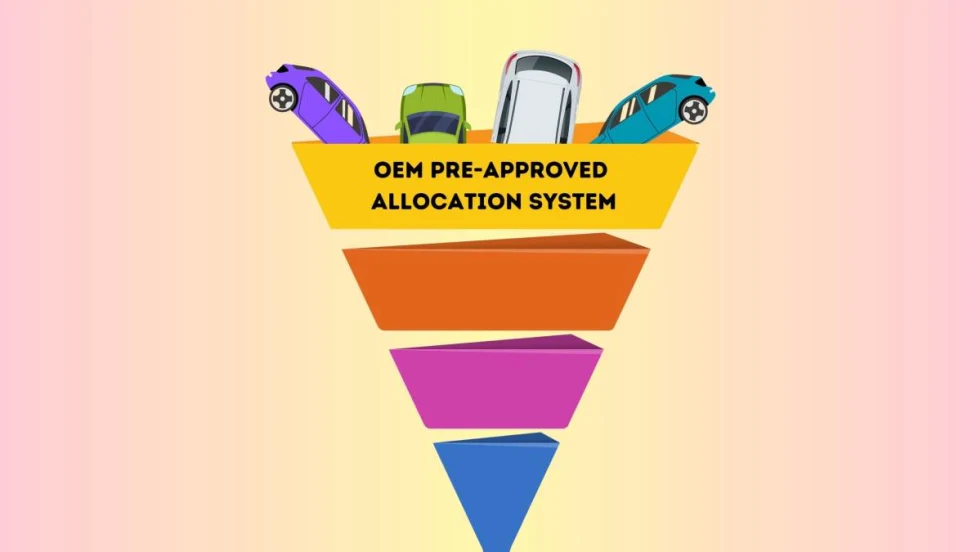
Scheduled Replacement Cycles Are Becoming a Distant Memory
The ongoing difficulty in sourcing replacement vehicles is forcing companies to extend the service lives of vehicles that are unable to be replaced, which, inevitably, increases unscheduled maintenance expenses.
Read More →
Fleet Simplification is the Antidote to Asset Variability
Fleet simplification identifies asset functions to uncover commonality among the equipment and assets. Simplification increases operational efficiency as end-users become accustomed to the controls, displays, and operation of less diverse units.
Read More →
The Dangers of Static Fleet Policies
A fleet policy is a living document, flexible enough to adapt to evolving business priorities, developing industry trends, and changing industry best practices and standards.
Read More →
Short-Term vs. Long-Term Cost Reductions
Corporate procurement staff are often driven by short-term, immediate cost reductions. However, a longer perspective to soft cost savings is critical because fixating on short-term results will hurt a company in the long run.
Read More →
Uptick in Unscheduled Maintenance Increasing Vehicle Downtime
Fleet data analysis can identify recurring downtime issues. It’s important to determine the root causes of downtime so procedures can be developed to minimize such problems.
Read More →
Eliminate Needless Curb Weight to Maximize ICE & EV Efficiencies
Vehicle weight relates directly to fuel economy. In today’s era of electrification, there is also a direct correlation between vehicle weight and battery range.
Read More →
Tech Dependence Risks Dumbing Down Fleet Manager Expertise
The line between creative thinking and problem solving and doing what the data indicates is thin. To lead in fleet management, you need to balance understanding the fundamentals and embracing what smart technology offers.
Read More →
Leverage the Synergy of Safe Driving to Achieve Sustainability and Cost Goals
Safe driving, emission reductions, and cost containment can all be achieved at the same time.
Read More →
The Playbook for Fleet Manager Success
There are many paths to success — most of them involve being flexible, open-minded, and willing to learn.
Read More →