





Read More: What Can Fleets Do with ChatGPT?
For Fleets, AI is No Longer a Buzz Acronym
Generative AI and its implications were weaved through multiple seminars at the 2023 Fleet Forward Conference. But does it deserve to be added to the ACES (Autonomous, Connected, Electric, and Shared) acronym?
November 14, 2023
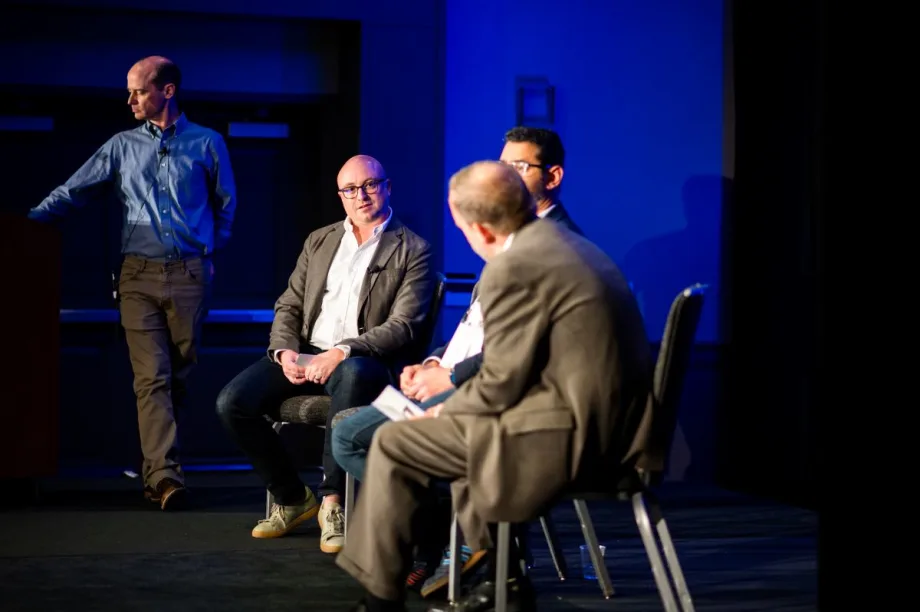
At the 2023 Fleet Forward Conference, (l-r) Brian Bathe of Mike Albert Fleet Solutions, Stephen Joos of Fluid Truck, Amir Sayegh of Geotab, and Roger Lanctot of Tech Insights educated attendees on definitions and uses of AI.
Photo: Lauren Brooks/Monclay Media
5 min to read
Early Christians made use of acronyms in Greek to describe Jesus. POTUS and SCOTUS date back to 1895. Acronyms really caught on in World War 2 to express mostly chaos: AWOL, SNAFU, and FUBAR come to mind. (Excuse the implied expletives.)
In digital conversation today, acronyms like YOLO, DM, and LOL are ubiquitous.
Acronyms have also evolved to help us understand the rapid evolution of transportation. When we launched the Fleet Forward Conference in 2018, we received multiple speaker submissions with ACES in the title, such as this one: “The Future of Fleet is ACES.”
ACES (or CASE) stands for Autonomous, Connected, Electric, and Shared. Back then, when those pillars were much more rooted in theory than in practical applications, it seemed like we’d be further along by today.
ACES Back Then
Here was my breakdown of the paradigm in 2018:
Autonomous: There was a notion that my two young sons would never need a driver’s license, as in a few years we’d all be passengers in cars with no steering wheels. That seems silly now, but who were we to question Elon Musk’s prediction of robotaxis by 2024?
Electric: By 2023, we thought electric vehicle pilots for fleets would have turned into widescale adoptions and indie EV makers entering the market would be at production scale.
By 2025, we thought the market would have transformed to EV batteries with solid-state technology, allowing for 500 miles of range in a lighter battery pack. That likely won’t happen.
Shared: Technology that powered ride-hailing and retail carsharing was to penetrate commercial and corporate fleets, allowing greater utilization of fewer assets. While programs have grown slightly in government fleet pools, shared mobility providers tested and then backed away from the U.S. market.
Connected: This paradigm is the anomaly. Telematics systems were already pervasive in 2018, but I couldn’t wrap my head around the hockey stick of penetration to come.
Indeed, the percentage of vehicles that are connected either by an aftermarket modem or one embedded at the factory has exploded by at least 300% since 2018.
ACES Today
Today, the news tilts toward the negative. As we become operational in these pillars, the impediments become real: seemingly endless edge use cases to solve, lack of policy and regulatory coordination, supply chain issues, high prices for everything, and the monumental task of upgrading the grid and getting power to sites for EV infrastructure buildout.
“I have to say, the future has felt a little frustrating these days,” I said in my opening remarks at the 2023 Fleet Forward Conference (FFC), which convened Nov. 8-10 in Santa Clara, California.
I also said that progress is often better measured by looking back at how far we’ve come, rather than looking forward to unmet goals.
To that end, here’s how the ACES pillars were worked into conversations at this year’s FFC:
Autonomous: Driverless vehicles aren’t the norm, but the industry is evolving from Level 2 to Level 3 autonomy. Both passenger car and truck models are coming online with conditional automation systems. The technology promises greatly improved driver safety and comfort, which could help attract workers back to driving jobs, particularly for long-haul truck routes.
While Level 3 autonomy requires the driver to maintain ultimate control of the vehicle, systems are designed to allow drivers to disengage from driving tasks at speeds under 40 mph. Fleet managers must understand this technology now to shape fleet policy around it.
Electric: Overall EV sales have jumped from 2% in 2018 to 9% in the third quarter this year. Fleet sales penetration lags retail, yet organizations still face looming carbon emissions regulations and self-imposed ESG goals. Meanwhile the earth's warming is negatively affecting every part of society, and isn't waiting for us to catch up.
Shared: Today, we’re expanding our definition of shared mobility. It’s not about replacing a salesperson’s company car with a pool vehicle (gasp!); it’s about automating fleet processes through digital vehicle control.
Think about the efficiencies gained through digital keys, such as for routine maintenance or breakdowns, loading and unloading vehicles, after-hours access, or remote entry to a rental van for deliveries during peak season.
Connected: The fulcrum for all these initiatives is, of course, connectivity. And we’re just scratching the surface of its use cases beyond geolocation, diagnostics, and driver management.
AI, the New Pillar of ACES
Today, Artificial Intelligence (AI) is an inescapable trend in this conversation to the point that it should be added to ACES to form a new acronym entirely.
At this year’s FFC, we convened a seminar specifically devoted to how fleets could take advantage of AI, or more specifically its subset, generative AI. The acronym sprang up in many other seminars organically.
Back in 2018, the AI acronym had already been tossed around so much that I avoided it in titles and subtitles for fear of sounding too “buzzy” and without offering real value to our fleet readers.
Now, it’s unavoidable.
A new acronym isn’t my idea; I’m just running with it. Mark Thomas of Ridecell proposed it in a LinkedIn post after sitting in on that seminar in Santa Clara. His new version is SEA: Shared, Electric, and AI.
Thomas makes a case for why Autonomous shouldn’t be included (not a relevant concept now), nor Connected (it’s a given and largely considered a solved problem).
I get his points but enjoy the friendly argument on why I believe Autonomous and Connected remain. We both agree that AI must be included.
Here’s my proposal: ASECA, for Autonomous, Shared, Electric, Connected, and AI-enabled. I do acknowledge it’s a lot more clunky than SEA. Okay, then how about ACESA or SEACA?
Generative AI takes the technology into a new realm, as it democratizes access to AI without programming expertise. By interacting with programs like Chat GPT and Google Bard using conversations, users are solving problems in hours that would’ve taken days or weeks before.
But are we treating AI with the same exuberance we did with the other ACES pillars in 2018?
In one seminar, a panelist served up the estimate that by 2027, some 30% of work tasks could be accomplished by AI. That’s not too far off, and whether we call it SEA or ASECA, you can bet we’ll be talking about it at FFC.
Subscribe to Our Newsletter
More Blog Posts

How to Win a Fleet Manager Award: Make Your Nomination Count
Strong fleet accomplishments can go unrecognized when the nomination doesn’t make the case. Here’s what judges need to see.
Read More →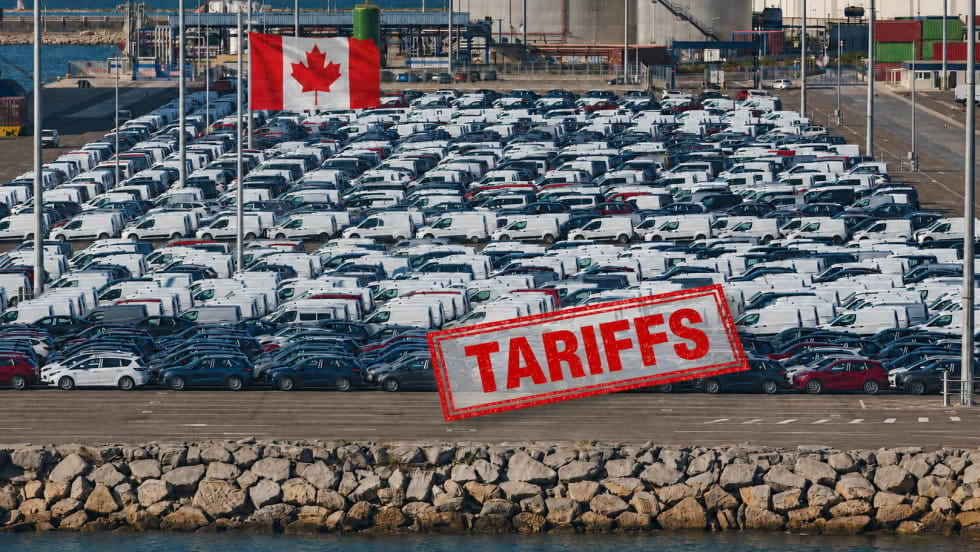
The Only Certainty with the New Tariff Threat Is Uncertainty
Trump’s Canadian tariff threat will not move production overnight, but the uncertainty could influence ordering and pricing now. Longer term, forces beyond tariffs may determine which North American plants survive.
Read More →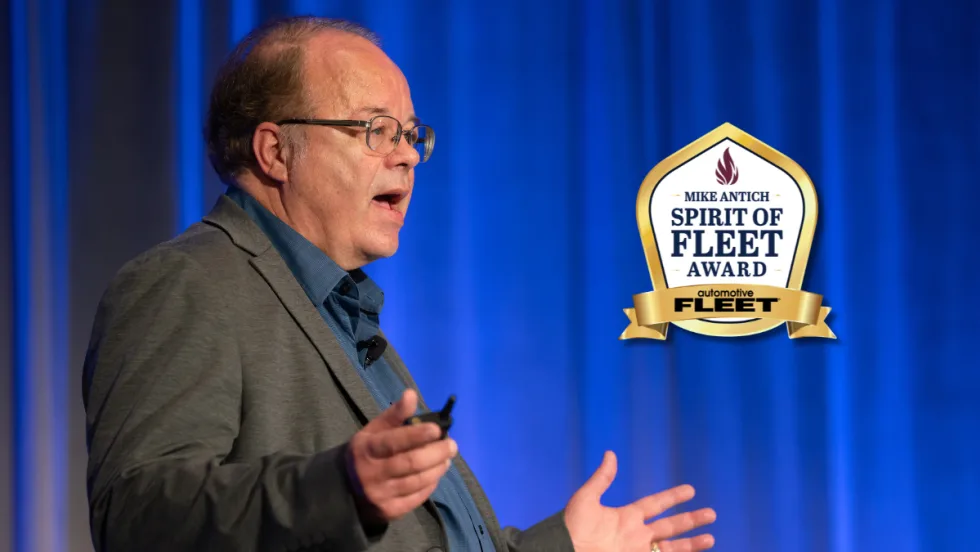
What Does It Mean to Embody the Spirit of Fleet?
Presented alongside Fleet Manager of the Year, Fleet Visionary, and Fleet Hall of Fame at AFLA, the new Mike Antich Spirit of Fleet Award is unique in that it recognizes service to the overall profession. Just like Mike.
Read More →
What Separates Great Fleet Managers From Everyone Else?
What do Visionary candidates with fewer than 10 years of experience have in common with Hall of Fame nominees with a lifetime under their belts?
Read More →
The Next Fleet War Won't Be Won on Specs Alone
The 2026 Stellantis Pro One Fleet Preview was less about vehicles and more about what happens after you buy them.
Read More →
Navigating Brundlefly and Fleet AI at 2026 NAFA I&E
AI is becoming the operating layer for fleets. In Cleveland, the buzz was about harnessing AI in an increasingly complex, permanently disrupted environment.
Read More →
8 Trends: Work Truck Week 2026 Reveals a Fleet Industry in Reset Mode
Walking the show floor this year, the new focus was around “practical innovation” and pragmatic solutions. And oh yeah, a new small van.
Read More →
The Moment AI Became Operational
“AI isn’t assisting us anymore. It’s doing the work,” said CEO Neil Cawse at Geotab Connect 2026. What does this mean for fleet managers?
Read More →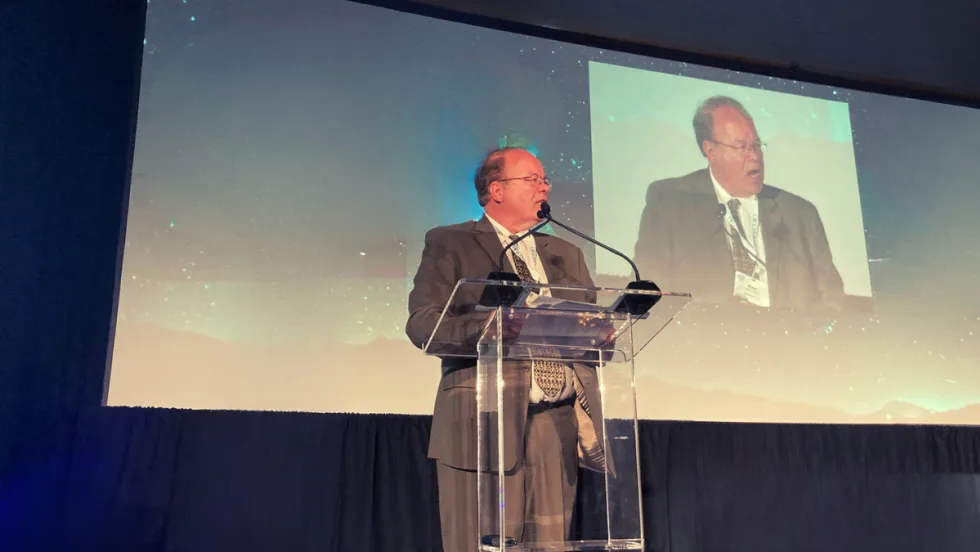
For Mike Antich, it Was Always About the People
He stood tall in the industry in so many ways, but he measured success by the people he served.
Read More →
Solving the Flexible-Lean Fleet Paradox
The lean fleets of yesterday are the fragile fleets of today. Where do we find the balance?
Read More →