




Data Overload: Are We Finally Winning the Battle?
We're still drinking from the firehose of fleet data. But new tools are helping fleet managers turn information into action and take on a more strategic role.


Fleet managers who can effectively harness and employ these new, massive data sets will find greater stature within their organizations.
- Fleet managers face the challenge of managing an overwhelming amount of data from fleet operations.
- New technological tools are enabling these managers to transform data into actionable insights.
- These advancements help fleet managers play a more strategic and impactful role within their organizations.
*Summarized by AI
I remember when we first described fleet data overload as “drinking from a firehose.”
That phrase became meaningful as telematics adoption accelerated, when we realized we could connect and collect mountains of information from our vehicles, fuel cards, maintenance records, driver scores, and other sources.
But that data generally sat there, because we lacked the time and resources to analyze it effectively. We called it “data paralysis.” At the same time, we might have thought our fleets were firing on all cylinders, that we’d squeezed nearly every ounce of efficiency out of our operations.
Fast-forward to today, and the conversation is dramatically different.
The firehose hasn’t slowed down; in fact, it’s a wider spigot. But generative AI, agentic AI, and increasingly sophisticated analytics programs are beginning to empower fleet managers to harness that information in ways that were previously unthinkable.
Those 12 or so dashboards on your desktop? With most, you’ll soon be able to have a conversation with them to deliver actionable recommendations. Even more powerful, you’ll be able to connect information across platforms without having to become a data scientist.
Imagine asking your fleet management system: When is the optimal time to sell our cargo vans with more than 75,000 miles in Houston? Or: Are drivers with lower safety scores also driving higher maintenance, repair, and accident costs?
Vibe coding takes this a step further, letting fleet managers — not coders — create applications with natural-language instructions in a fraction of the time. One step further, agentic AI promises to move beyond recommendations to actually executing workflows.
This is all very exciting, but such massive disruption is daunting, to say the least.
Some 10 years ago, we thought we were optimized, but we “didn’t know what we didn’t know.” We were optimizing within the limitations of the tools available to us.
Now, the ability to forecast costs, anticipate downtime, optimize utilization, and make better decisions with our companies’ money is elevating the role of the fleet manager.
“Fleet” is still a cost center. When managed effectively, it can drive productivity, profitability, and competitive advantage.
But here’s the thing — not all fleet managers get it yet. They must be willing to challenge established practices, adopt unfamiliar technologies, and rethink what is possible within, and outside of, their departments.
What worked last year will not be the best way tomorrow. Particularly through the lens of what’s coming: Have you contemplated the job description for a fleet manager of autonomous vehicles? Or how do you calculate the total cost of ownership for an autonomous fleet?
We need to start preparing for a future in which managing data, software, and interconnected systems becomes as important as managing vehicles. Wait, that future is now.
Are we winning the battle against data overload? It feels that way, as we finally have the tools. The question now is: Are we ready to take advantage of them?
Quick Answers
Fleet managers are confronted with an overwhelming amount of data, often likened to 'drinking from the firehose,' which can be difficult to manage and utilize effectively.
*Summarized by AI
More Blog Posts

How to Win a Fleet Manager Award: Make Your Nomination Count
Strong fleet accomplishments can go unrecognized when the nomination doesn’t make the case. Here’s what judges need to see.
Read More →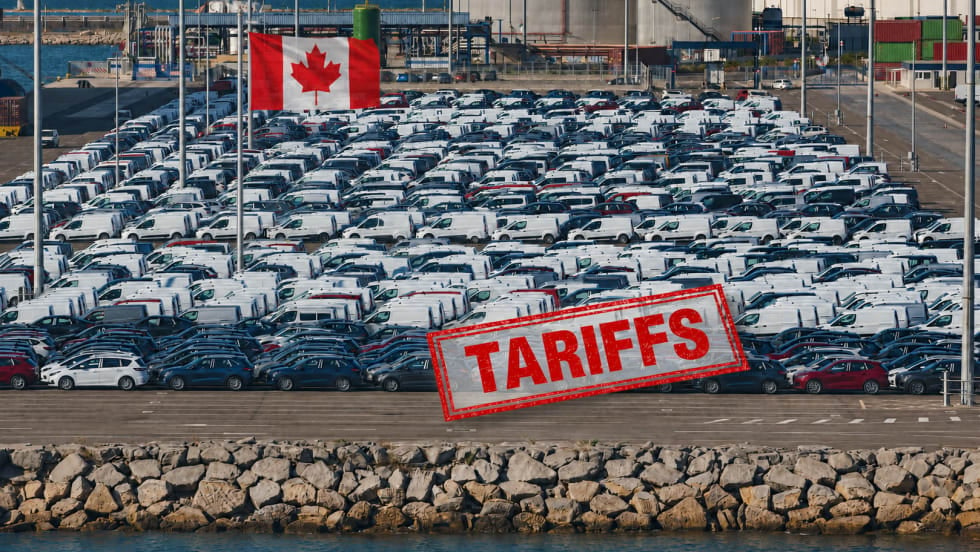
The Only Certainty with the New Tariff Threat Is Uncertainty
Trump’s Canadian tariff threat will not move production overnight, but the uncertainty could influence ordering and pricing now. Longer term, forces beyond tariffs may determine which North American plants survive.
Read More →
What Does It Mean to Embody the Spirit of Fleet?
Presented alongside Fleet Manager of the Year, Fleet Visionary, and Fleet Hall of Fame at AFLA, the new Mike Antich Spirit of Fleet Award is unique in that it recognizes service to the overall profession. Just like Mike.
Read More →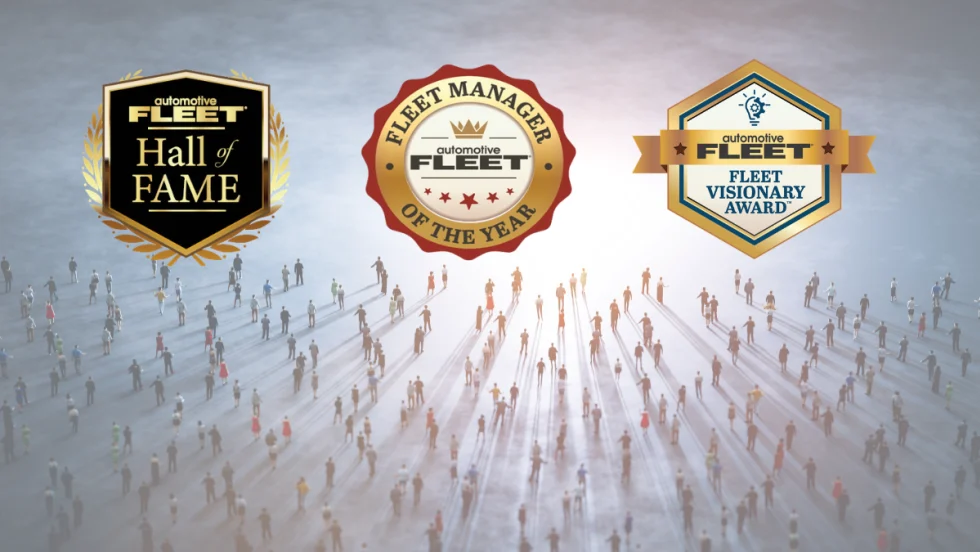
What Separates Great Fleet Managers From Everyone Else?
What do Visionary candidates with fewer than 10 years of experience have in common with Hall of Fame nominees with a lifetime under their belts?
Read More →
The Next Fleet War Won't Be Won on Specs Alone
The 2026 Stellantis Pro One Fleet Preview was less about vehicles and more about what happens after you buy them.
Read More →
Navigating Brundlefly and Fleet AI at 2026 NAFA I&E
AI is becoming the operating layer for fleets. In Cleveland, the buzz was about harnessing AI in an increasingly complex, permanently disrupted environment.
Read More →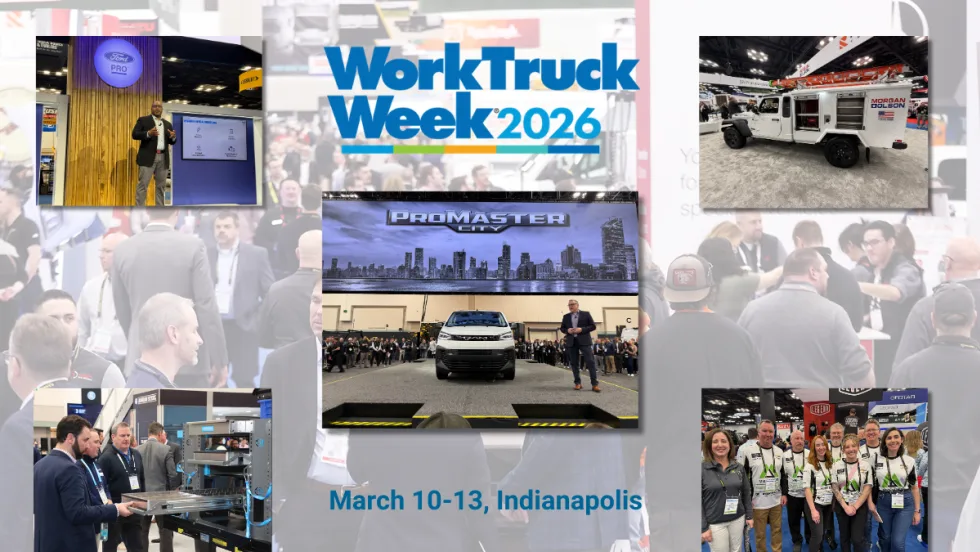
8 Trends: Work Truck Week 2026 Reveals a Fleet Industry in Reset Mode
Walking the show floor this year, the new focus was around “practical innovation” and pragmatic solutions. And oh yeah, a new small van.
Read More →
The Moment AI Became Operational
“AI isn’t assisting us anymore. It’s doing the work,” said CEO Neil Cawse at Geotab Connect 2026. What does this mean for fleet managers?
Read More →
For Mike Antich, it Was Always About the People
He stood tall in the industry in so many ways, but he measured success by the people he served.
Read More →
Solving the Flexible-Lean Fleet Paradox
The lean fleets of yesterday are the fragile fleets of today. Where do we find the balance?
Read More →