




Excessive Idling Can Create Pitfalls Voiding Warranty
For fleet managers, excessive idling of vehicles can pose a serious problem by harming engine efficiency and causing premature voiding of auto warranties.

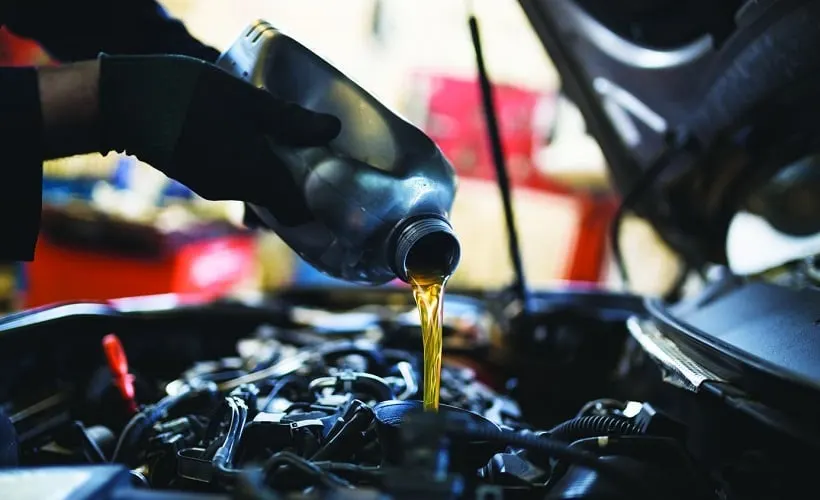
Engine hours refers to the number of hours an engine has been running since it was first manufactured, regardless of whether or not the vehicle is moving.
Photo courtesy of @iStockPhoto.com/DUXX
Excessive engine idling doesn’t just harm fuel efficiency, it also accumulates engine hours, which, depending on the OEM, are used to determine when the powertrain warranty expires. Also, high engine hours in low-mileage vehicles can create mechanical issues that prematurely void a car warranty. Some fleets don’t realize this and are surprised when they are denied coverage, thinking the vehicle is within the extended auto warranty mileage parameters or has followed the manufacturer’s recommended maintenance schedule.
Engine hours refers to the number of hours an engine has been running since it was first manufactured, regardless of whether or not the vehicle is moving. Another way of viewing an engine hour is not only as a measure of time, but also as 100,000 crankshaft revolutions. Aside from harming fuel optimization, excessive idling creates wear-and-tear on the engine, requiring more frequent PM intervals.
Certain fleet applications require the engine to be idling for long periods to operate auxiliary equipment using a power take-off (PTO), which doesn’t create odometer mileage since the vehicle is stationary. In addition, when running a PTO, the application may require a higher engine RPM, thus increasing idle fuel consumption, which further decreases engine life.
What Does a Car or Powertrain Warranty Cover? Less Than You Think
In addition to accelerating auto warranty expiration, excessive engine hours can also void a warranty altogether, especially if you follow mileage parameters for oil drain intervals and filter (oil, fuel, and air) replacements. To illustrate this point, one dealer cited a municipal parks and recreational vehicle with only 77,000 miles on the odometer, which suffered an engine failure within the mileage warranty parameters, but it was denied coverage due to excessive engine hours. The reason given was that the motor had extremely high engine hours and the inside of the motor was completely sludged despite the fact the motor oil was changed consistently every 5,000 miles.
However, the vehicle did a lot of idling, and once the actual idle time was estimated, it was determined the vehicle should have had three PMs done during the 5,000-mile interval instead of only one. After converting the engine hours to miles, the "77,000-mile engine" for the parks and recreation truck actually had around 270,000 miles. As a consequence, the warranty work was denied because the oil drain interval was inadequate for the actual engine usage.
Mileage Is Inadequate to Measure Engine Wear
Idling is the main reason to track engine hours instead of mileage. When a vehicle idles for hours each day using a PTO, mileage isn’t being recorded by the odometer, but one hour of engine idling is equal to 25 to 30 miles of driving. Many fleet trucks spend most of the workday idling in a stationary position, such as in the construction and utility industries, which accumulate higher than normal engine hours vis-a-vis miles traveled. These trucks typically use an hour meter to track engine hours, which give fleet operators a better gauge on engine maintenance requirements.
A preventative maintenance schedule based solely on miles can be misleading for a low-mileage vehicle that requires excessive idling. In these situations, it is more effective to set preventative maintenance schedules based on the hours of engine operation or the amount of diesel fuel burned over a period of time. Selecting the wrong maintenance schedule will result in premature engine wear and tear, poor fuel optimization and efficiency, exhaust issues, and other avoidable problems.
Any system that directly interfaces with the engine (cooling, fuel, exhaust, etc.) is strongly impacted by engine hours and the resulting loss of energy efficiency. For instance, a truck in a high idling fleet application is less likely to generate temperatures high enough to perform optimal regenerations for the diesel oxidation catalyst. During long periods of idling, the engine operating temperature is lower than a typical duty cycle, requiring the need for more manual regeneration.
Use of Engine Hours in Other Industries
Maintenance based on engine hours is common for engines used in other modes of transportation or work applications. For instance, marine and aviation engines measure engine use in hours. In the aviation industry, tracking engine running hours dates back to 1938 and saw widespread adoption during World War II. However, engine hours are not always equivalent and can vary by mode of transportation.
For instance, an engine hour in a marine engine does not have the same equivalence to an engine hour in a vehicle engine. If you drove 30 mph for 50 hours using a vehicle engine, then you traveled 1,500 miles. However, with a marine engine, the RPMs tend to be much higher, so 50 hours for a marine engine is the equivalent of 3,000 to 5,000 miles.
For vehicles with high idle fuel consumption and engine hours, scheduling maintenance intervals on odometer miles will underestimate the PM frequency needed to properly maintain an engine. In the final analysis, for vehicles that accumulate high engine run times, but not many odometer miles, the best maintenance strategy to optimize oil drain intervals is to base them on engine hours. It is important to first check with the vehicle manufacturer on its recommended engine maintenance intervals because you don’t want to compromise a powertrain system warranty by inadvertently being out of compliance.
Let me know what you think.
mike.antich@bobit.com
More Blog Posts

Fleets Want Trust Restored with Suppliers
During this period of ongoing supply constraints, the trust that fleet managers had with OEMs, upfitters, and dealers has been strained. Fleet managers say they have had too many experiences over the past three years coping with erroneous information, adjusting to multiple price increases, and feeling betrayed by inadequate transparency from suppliers.
Read More →
Scheduled Replacement Cycles Are Becoming a Distant Memory
The ongoing difficulty in sourcing replacement vehicles is forcing companies to extend the service lives of vehicles that are unable to be replaced, which, inevitably, increases unscheduled maintenance expenses.
Read More →
Fleet Simplification is the Antidote to Asset Variability
Fleet simplification identifies asset functions to uncover commonality among the equipment and assets. Simplification increases operational efficiency as end-users become accustomed to the controls, displays, and operation of less diverse units.
Read More →
The Dangers of Static Fleet Policies
A fleet policy is a living document, flexible enough to adapt to evolving business priorities, developing industry trends, and changing industry best practices and standards.
Read More →
Short-Term vs. Long-Term Cost Reductions
Corporate procurement staff are often driven by short-term, immediate cost reductions. However, a longer perspective to soft cost savings is critical because fixating on short-term results will hurt a company in the long run.
Read More →
Uptick in Unscheduled Maintenance Increasing Vehicle Downtime
Fleet data analysis can identify recurring downtime issues. It’s important to determine the root causes of downtime so procedures can be developed to minimize such problems.
Read More →
Eliminate Needless Curb Weight to Maximize ICE & EV Efficiencies
Vehicle weight relates directly to fuel economy. In today’s era of electrification, there is also a direct correlation between vehicle weight and battery range.
Read More →
Tech Dependence Risks Dumbing Down Fleet Manager Expertise
The line between creative thinking and problem solving and doing what the data indicates is thin. To lead in fleet management, you need to balance understanding the fundamentals and embracing what smart technology offers.
Read More →
Leverage the Synergy of Safe Driving to Achieve Sustainability and Cost Goals
Safe driving, emission reductions, and cost containment can all be achieved at the same time.
Read More →
The Playbook for Fleet Manager Success
There are many paths to success — most of them involve being flexible, open-minded, and willing to learn.
Read More →