




7 Reasons Why Vehicle Condition Should Not be Part of an Employee's Annual Job Review
If an employee threw trash all over the office floor, scratched the paint off the walls, broke the light bulbs, left holes and dents in the wallboard, and skipped routine maintenance on the copier until it overheated and broke, no manager would tolerate this abuse. Yet, that is exactly what some companies tolerate when drivers abuse their company-provided vehicles.

If an employee threw trash all over the office floor, scratched the paint off the walls, broke the light bulbs, left holes and dents in the wallboard, and skipped routine maintenance on the copier until it overheated and broke, no manager would tolerate this abuse. Yet, that is exactly what some companies tolerate when drivers abuse their company-provided vehicles. Not only does this abuse involve dollars-and-cents issues, but it can also result in life-and-death consequences and subsequent corporate liability exposure.
The resale value of a used vehicle is determined by three factors: the unit’s age, overall mileage, and vehicle condition. A used company vehicle in poor condition, because of driver abuse, will result in lost resale value or incur unnecessary reconditioning expense at auction. Just as egregious as vehicle abuse is vehicle neglect, such as not changing the motor oil, which results in engine damage. Another aspect of vehicle abuse occurs with drivers who smoke. Most companies have no-smoking policies while driving company vehicles; however, some furtive smokers are notorious about ignoring this prohibition. When taken to auction, a smoker’s car, on average, results in a deduct of several hundred dollars on resale, because of the pervasive tobacco odor and the invariable cigarette-burned upholstery.
Confronting the Problem of Vehicle Abuse
Some advocate resolving vehicle abuse by making the condition of a company-provided vehicle part of an employee's annual job review. At first blush, this may seem like a good approach to address this problem, but, as they say, the devil is in the details.
Inconsistency in Vehicle Evaluations: If vehicles are transferred to other drivers, it’s hard to pinpoint who failed to maintain the vehicle. Another issue is consistency in vehicle evaluations between reviewers. Some will be knowledgeable, looking at the vehicle carefully, while others looking at the very same vehicle will simply say it is normal wear-and-tear.
Irregular Issuance of Condition Reports: Managers may not issue vehicle condition reports on a regular basis and not be consistent in vehicle evaluations for all employees.
Possible Violation of a State Law: Some state labor laws prohibit payroll deductions to pay for vehicle damage, especially if you do not apply the same rule to all employees. As with all disciplinary action, you need to be prepared to impose it for everyone from the CEO on down.
Employee Circumvention of Policy: Employees will attempt to circumvent accident reporting procedures and obtain out-of-network repairs to avoid having it appear in an employment review.
Managers Dislike Performing Inspections: The lack of management buy-in can make the process an administrative nightmare. Also, many employees are field workers who may live hundreds of miles from the office locations and their managers. These drivers would have to drive their vehicles in for inspection.
The Fleet Manager becomes a Referee: Invariably, there will be administrative involvement by the fleet department in resolving disputes between employees and managers over vehicle condition.
Management Abuse: Some managers could possibly use this system as a convenient tool to terminate unwanted employees.
What Constitutes Normal Wear-and-Tear?
Asking drivers to take better care of their vehicles is usually sufficient for the overwhelming majority of drivers. However, there are other employees who simply pay lip service to the policy, especially when they know that there are no consequences from doing otherwise. Also, some managers are reluctant to penalize abusive drivers, especially executives or top sales performers.
Often, vehicle abuse policies are inadequately communicated by supervisors to new-hires or employees assigned a company vehicle for the first time. Plus, there is a great amount of gray area in distinguishing between borderline normal wear-and-tear and abuse. All of us recognize blatant abuse, but is a torn seat or scrapped bumper abuse or normal wear-and-tear?
It is a proven fact that fleets with clearly articulated policies to employees about vehicle upkeep and misuse receive a better quality product to take to auction. Most companies have prohibitions about vehicle misuse in their written fleet policies. The problem is that the majority of companies do not enforce these policies, except in the most egregious circumstances.
While charging the driver responsible for vehicle damage may be illegal in some states, some fleet policies circumvent this issue, by assessing financial liability instead to the operating department. Another penalty to curb vehicle abuse is to restrict personal-use driving privileges of the company-provided vehicle.
There are different and creative ways to address vehicle abuse, but it is sound advice to steer clear of proposing to management that vehicle condition become part of an employee’s review.
Let me know what you think.
More Blog Posts

Fleets Want Trust Restored with Suppliers
During this period of ongoing supply constraints, the trust that fleet managers had with OEMs, upfitters, and dealers has been strained. Fleet managers say they have had too many experiences over the past three years coping with erroneous information, adjusting to multiple price increases, and feeling betrayed by inadequate transparency from suppliers.
Read More →
Scheduled Replacement Cycles Are Becoming a Distant Memory
The ongoing difficulty in sourcing replacement vehicles is forcing companies to extend the service lives of vehicles that are unable to be replaced, which, inevitably, increases unscheduled maintenance expenses.
Read More →
Fleet Simplification is the Antidote to Asset Variability
Fleet simplification identifies asset functions to uncover commonality among the equipment and assets. Simplification increases operational efficiency as end-users become accustomed to the controls, displays, and operation of less diverse units.
Read More →
The Dangers of Static Fleet Policies
A fleet policy is a living document, flexible enough to adapt to evolving business priorities, developing industry trends, and changing industry best practices and standards.
Read More →
Short-Term vs. Long-Term Cost Reductions
Corporate procurement staff are often driven by short-term, immediate cost reductions. However, a longer perspective to soft cost savings is critical because fixating on short-term results will hurt a company in the long run.
Read More →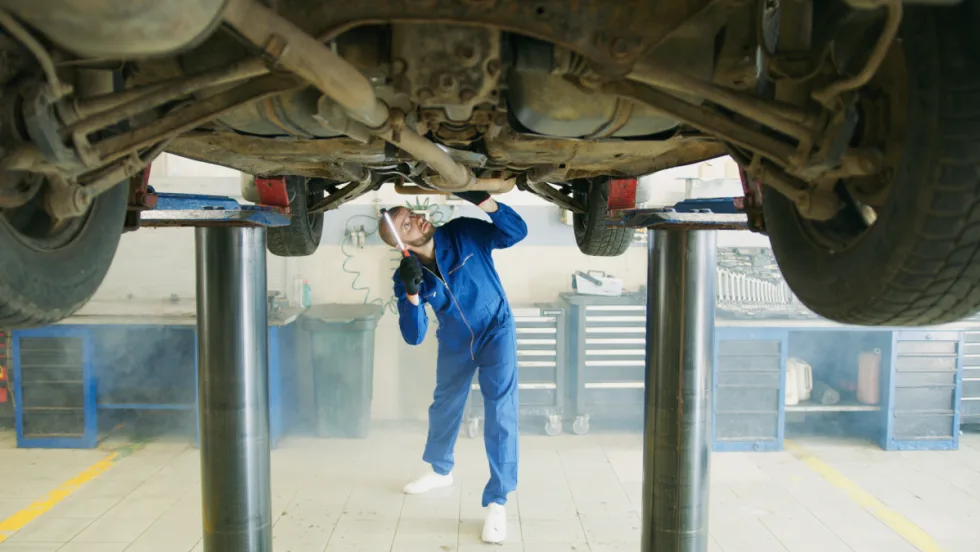
Uptick in Unscheduled Maintenance Increasing Vehicle Downtime
Fleet data analysis can identify recurring downtime issues. It’s important to determine the root causes of downtime so procedures can be developed to minimize such problems.
Read More →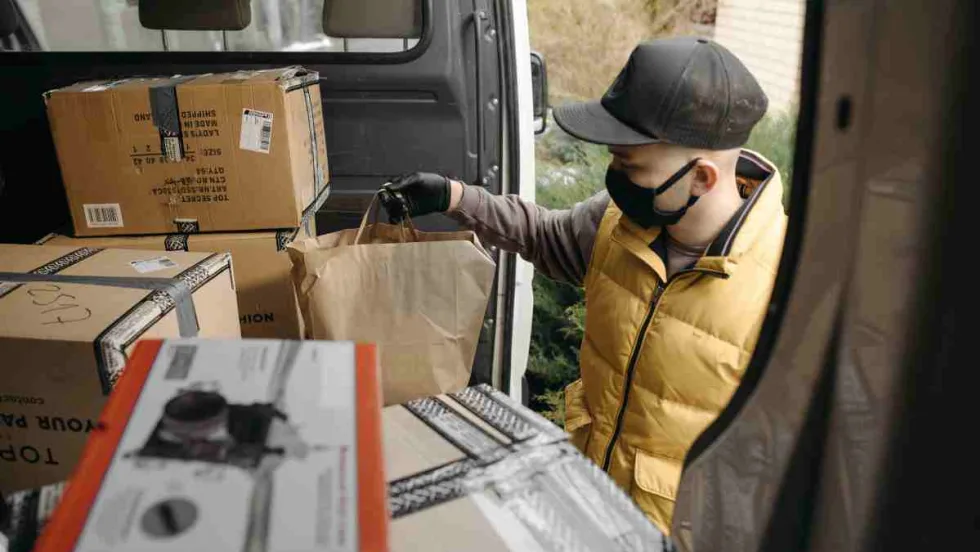
Eliminate Needless Curb Weight to Maximize ICE & EV Efficiencies
Vehicle weight relates directly to fuel economy. In today’s era of electrification, there is also a direct correlation between vehicle weight and battery range.
Read More →
Tech Dependence Risks Dumbing Down Fleet Manager Expertise
The line between creative thinking and problem solving and doing what the data indicates is thin. To lead in fleet management, you need to balance understanding the fundamentals and embracing what smart technology offers.
Read More →
Leverage the Synergy of Safe Driving to Achieve Sustainability and Cost Goals
Safe driving, emission reductions, and cost containment can all be achieved at the same time.
Read More →
The Playbook for Fleet Manager Success
There are many paths to success — most of them involve being flexible, open-minded, and willing to learn.
Read More →