




Your Best Choices for Fuel Savings
Options are available to cut fuel usage and costs. Investigate them carefully to be sure you choose those that work best for your situation.

Going green can also mean saving green. A multipronged approach that considers the array of technologies, alternative fuels, and vehicle applications often offers the best solution in creating a green fleet.
E85 is one of the most widely promoted fuel-saving technologies. Since a large component of E85 ethanol is plant-based alcohol, blends of the fuel can help substantially reduce a vehicle’s “carbon footprint.” An increasing number of vehicles are “flex-fuel” capable; they can burn E85 or straight gasoline, or a combination of the two, without vehicle modifications.

The most common biodiesel fuel is B-20, comprising 20-percent vegetable oil and 80-percent petroleum diesel. An engine must be designed or modified for biodiesel use. Required modifications are relatively simple, and many can be done with aftermarket equipment. Biodiesel-capable engines experience no difference in performance or fuel economy than conventional gasoline engines.
Another strategy that can reduce fuel usage matches vehicles to their functions. For example, while a small hatchback could make sense for local deliveries, it may lack the power to work in a mountainous area. If a small engine is forced to work hard all the time, fuel economy suffers and the vehicle is not as reliable.
Hybrid vehicles are ideally suited to heavy, dense city traffic and provide excellent fuel mileage in urban settings. On long highway runs, however, the hybrid’s acceleration and torque are minimized. A less-expensive straight gasoline-powered vehicle or even a diesel vehicle might perform as well.
To maximize fuel efficiency, fleets might consider purchasing a diversity of vehicle types, rather than large numbers of similar vehicles that must be adapted to specific needs.
More Green Fleet
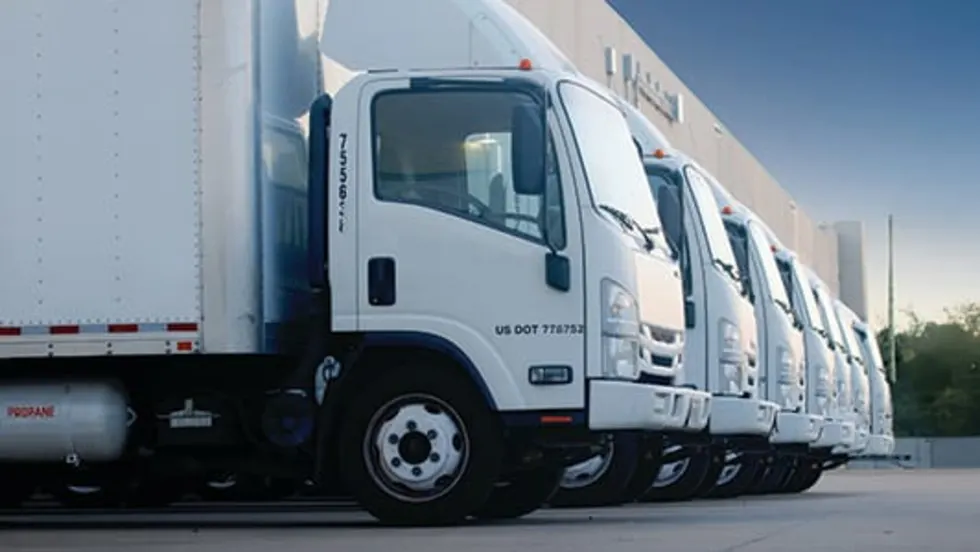
New Propane Autogas Program Offers Fleet Compensation
Qualified commercial fleets can receive $7,500 per eligible propane autogas vehicle and up to $10,000 for new refueling site prep. Learn how the program works and see whether your fleet qualifies.
Read More →
EV Charging Use Is Outpacing Infrastructure Growth
ChargePoint’s 2026 Charging Forward Report points to rising charger use, higher-powered charging, commercial vehicle electrification, and energy-management technology. Here’s what fleets should know.
Read More →
Merchants Fleet Reports 290M EV Miles as Fleets Navigate Changing Electrification Market
From millions in operating savings to hundreds of millions of EV miles, Merchants Fleet’s latest report reveals what’s working and what’s changing in fleet electrification.
Read More →

The EV Breakdown Nobody's Talking About: Why Most Electric Vehicle Roadside Calls Aren't Mechanical Failures
Here's why EV breakdowns are widely misunderstood.
Read More →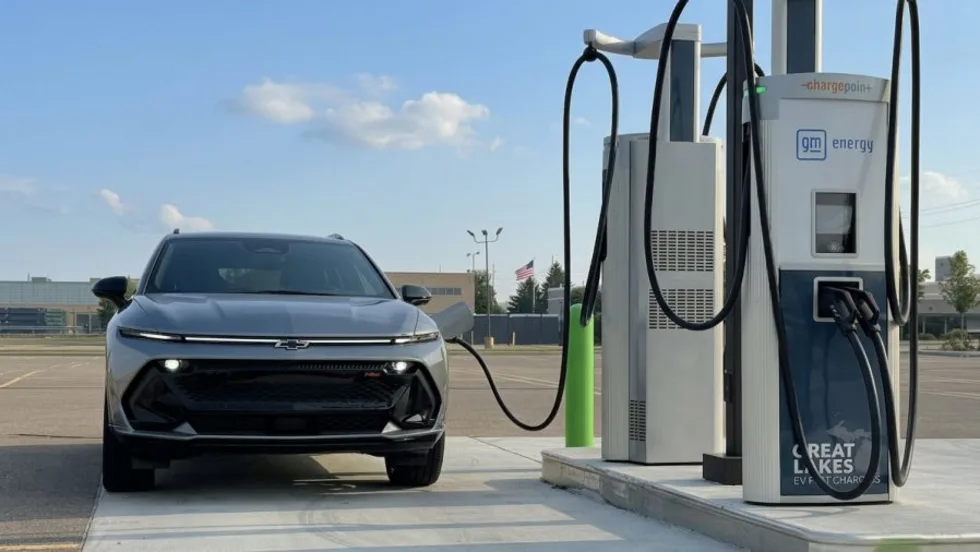
ChargePoint Now Available in Energy Pass
ChargePoint and additional planned charging network integrations were added to GM's Energy Pass.
Read More →

First Look: Slate Auto's Electric Fleet Pickup
Could an affordable, modular EV pickup make electrification more practical for fleets?
Read More →
Slate Debuts Colorful, Unique EV Models
A recent media and client event, studded with electric vehicles dressed up on platforms, planted a new position for the manufacturer in the wider EV market. Fleets will find cost-saving advantages.
Read More →
Slate Electric SUV, Pickup Switchable Model Aims For Light-Duty Fleets
Everything about this EV is counterintuitive and understated, making it stand out from the crowd.
Read More →
Inspiration Mobility Acquires Key Electrada Assets
Inspiration Mobility Group has acquired select assets of Electrada, adding the fleet electrification provider's team, technology, and charging infrastructure development capabilities to its energy management business.
Read More →