




XL Adds Fully Electric Platform to 'Product Roadmap'
Eric Foellmer says XL's plan is to continue supplementing the electrification strategy of the OEMs, which includes its present hybrid and plug-in hybrid systems and eventually an all-electric system.

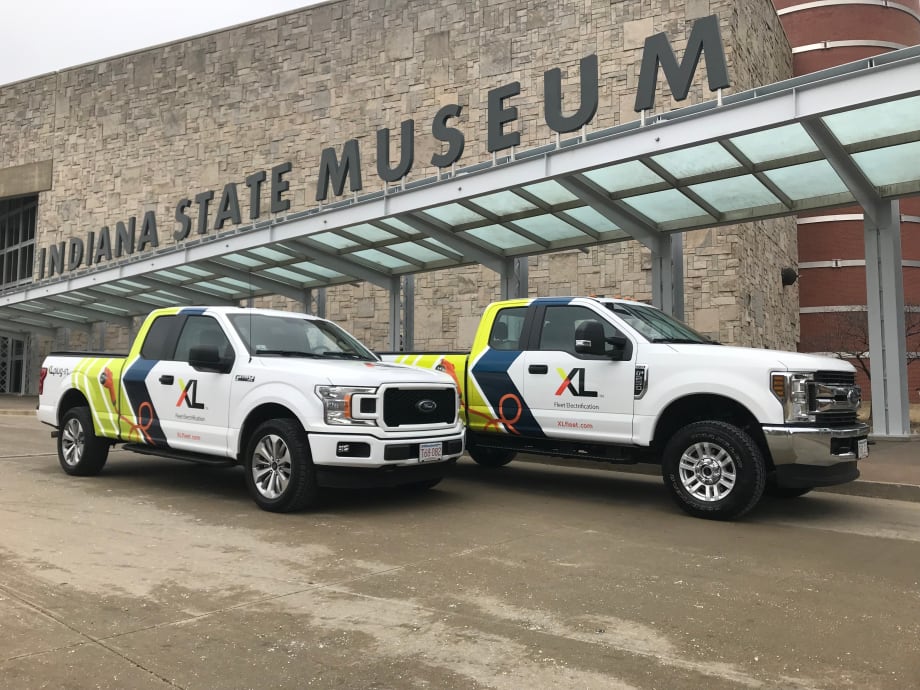
A plug-in hybrid (PHEV) upfit for both the Ford F-150 and F-250 models has been added by XL in that last two years.
[EMPTY CREDIT]
Amidst the recent flurry of news on the electrification of trucks, XL, makers of electrification systems for commercial vehicles, shares its perspective on the electric vehicle market and its strategy moving forward.
XL has served fleets exclusively since its inception in 2009. However, it’s the consumer side that has driven much of the excitement in vehicle electrification to date, says Eric Foellmer, XL’s director of marketing.
“Tesla has done a great job of getting the mainstream talking about and accepting electric vehicles, not just as a science experiment, but as a luxurious and exciting car to drive,” Foellmer says. “And (Tesla has) really helped to drive charging infrastructure, incentive programs, and tax rebates.”
When it comes to electric trucks, near-term developments are also focused on the consumer space, particularly the luxury market. “The Rivian (R1T electric pickup) and Tesla pickup may be stylish and versatile, but they won’t necessarily be designed with the needs of fleets in mind,” Foellmer says. “Fleets will continue to gravitate toward the tried and true models they’ve always relied on, and those are the units we focus on electrifying.”
In addition to its hybrid-electric system, XL has added in the last two years a plug-in hybrid (PHEV) upfit for both the Ford F-150 and F-250 models.
The PHEV system isn’t designed to take over full propulsion of the truck; rather, it works in tandem with the standard engine to increase MPG by 50% and reduce CO2 emissions by 33% over the standard models, while the factory performance and warranty remain intact.
Earlier this year, Ford announced plans for a hybrid F-150, purportedly arriving in late 2020, and recently released a video tease of a fully electric F-150. Considering this news, what are XL’s plans?

[EMPTY CREDIT]
“Our plan has always been to supplement the electrification strategy of the OEMs,” Foellmer says. “(Ford’s plans are) a big part of why we came out specifically with a plug-in hybrid version of the F-150, because we knew there was going to continue to be a gap, a niche that (Ford) is not intending to fill immediately.”
“It’s been our model to progress from a hybrid system to a plug-in hybrid system, and then, eventually, to an all-electric system. It’s in our product roadmap to release all-electric versions of our products.”
As of now, XL isn’t releasing a timeline or further details for a full electrification system.
Some tipping points likely need to be reached in terms of battery technology to reduce size, weight, and cost, Foellmer says. And he isn’t counting on a cross-country rollout of EV charging stations to adequately handle fleet needs anytime soon: “The research that I'm seeing suggests that a fully mature charging infrastructure could be over a decade away, not single-digit years away. But progress is certainly being made.”
Electrification — particularly when it comes to commercial trucks and charging them — figures to be a longer development process than the passenger car side. With that, Foellmer sees unmet electrification needs of fleets that can be filled today and well into the future with hybrids and plug-in hybrids.
“As we continue to move into the full EV space, it's an exciting time to be part of the industry while all these changes are happening,” he says. “There have been a great many developments made over the past decade, but that pales in comparison to what’s in store for the decade to come.”
More Fleet Forward

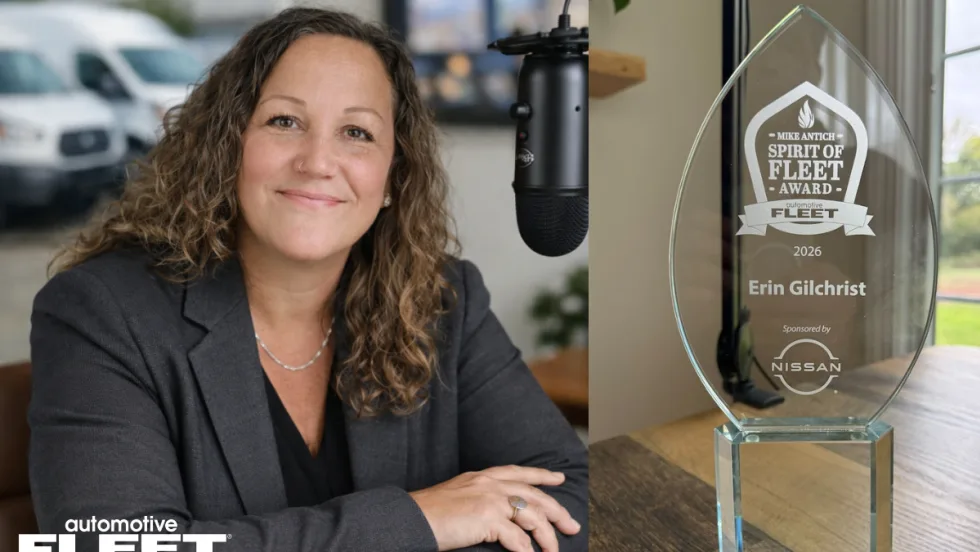
Erin Gilchrist Receives Mike Antich Spirit of Fleet Award
Last week at AFLA in Vegas, Erin Gilchrist received the inaugural, brand-new Spirit of Fleet Award.
Read More →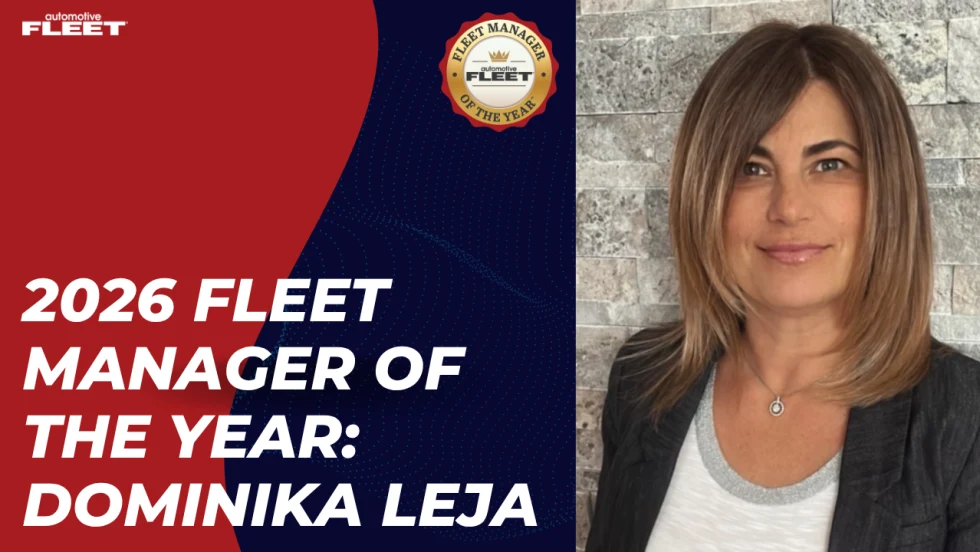
Dominika Leja Named the 2026 Fleet Manager of the Year
The AstraZeneca associate director of fleet was recognized for her leadership in fleet electrification, cost savings, and operational transformation.
Read More →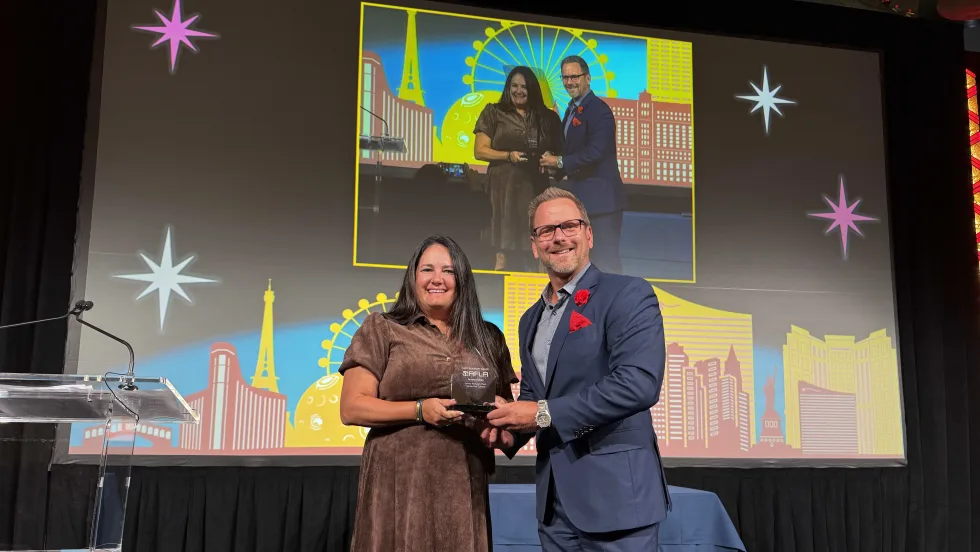
Jamie McKay Named the 2026 Fleet Visionary Award Winner
The Aptive Pest Control fleet manager was recognized for her approach to operations, data, lifecycle management, and driver needs.
Read More →
Fleet Forward Conference Introduces One-Day Passes for 2026
New one-day registration gives fleet professionals the flexibility to attend Tuesday, Wednesday, or Thursday, with passes available for $199 through Sept. 18.
Read More →
Vibe Coding: When Fleet Managers Become Software Builders
Five fleet professionals — none with programming skills — discuss how they’re using AI to build fleet solutions in-house and in a fraction of the time.
Read More →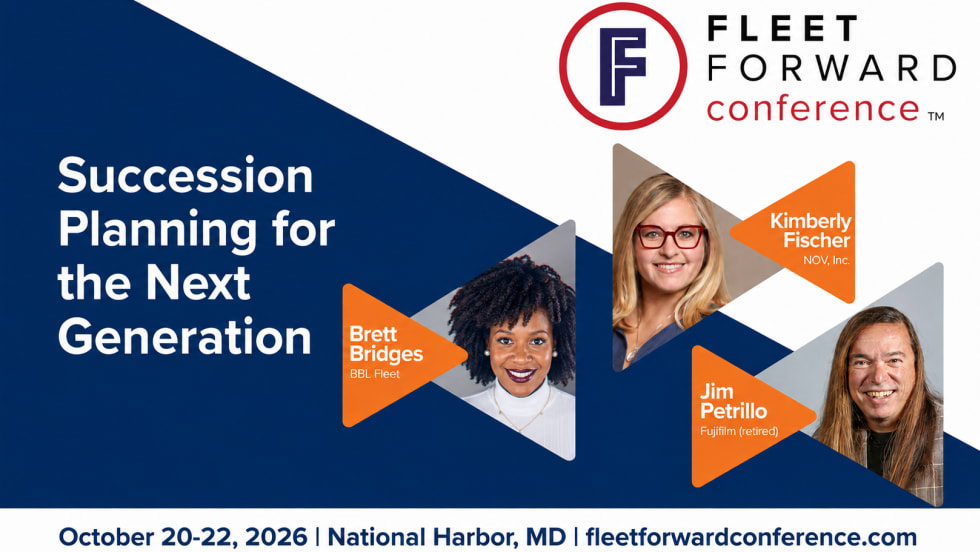
Fleet Forward Conference Tackles Fleet Industry’s Growing Leadership Gap
This session will examine succession planning, knowledge transfer, and the skills the next generation of fleet leaders will need as veteran professionals leave the industry.
Read More →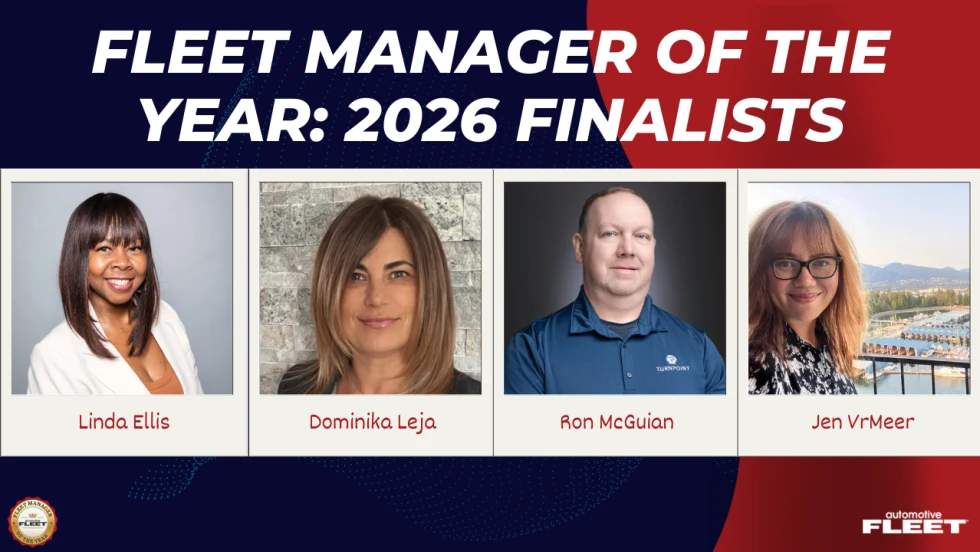
2026 Fleet Manager of the Year Finalists Announced
Who are the 2026 Fleet Manager of the Year finalists?
Read More →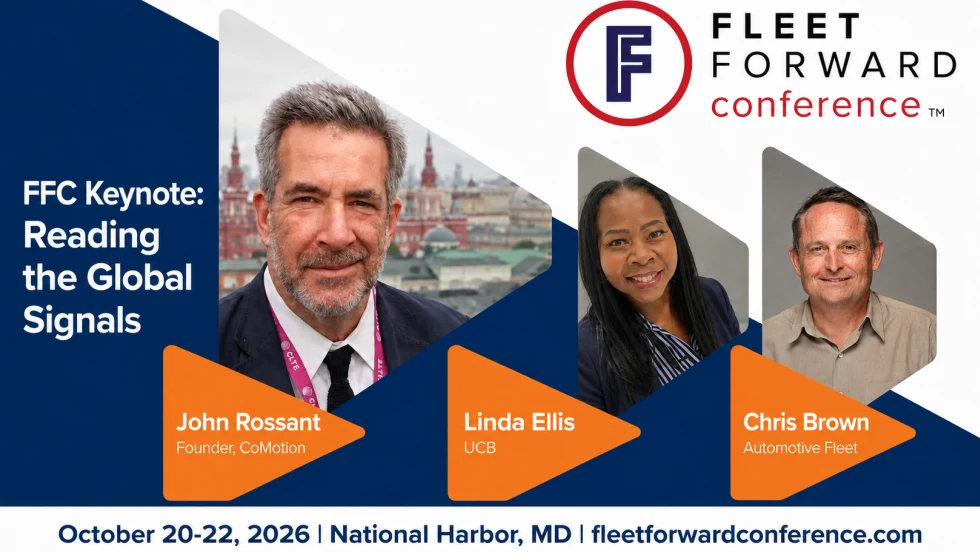
John Rossant to Deliver Opening Keynote at 2026 Fleet Forward Conference
The CoMotion founder will draw on developments across Europe, China, the Middle East, and other international markets to identify trends that could influence how U.S. fleets plan for the coming decade.
Read More →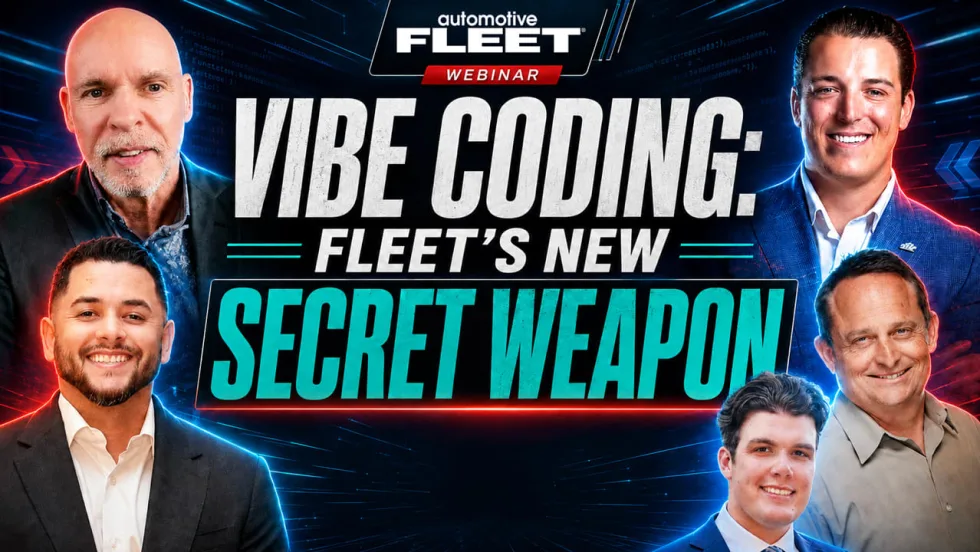
How to Build Custom Fleet Tools With AI and Vibe Coding [Webinar]
A new Automotive Fleet webinar explores how fleet managers are using AI and vibe coding to automate routine work and create simple operational tools without traditional programming skills.
Read More →