




Why Did Calstart Rebrand as Catalyst Mobility?
The newly renamed nonprofit will combine with Forth in 2027 as the clean transportation nonprofit expands its programs and presence beyond California.

Automotive Fleet
After more than three decades as Calstart, the clean transportation nonprofit changed its name to Catalyst Mobility on Sept. 14.
President and CEO Michael Berube announced the name change during the Forth Roadmap Conference. He also announced that Forth, a nonprofit focused on transportation electrification, will combine with Catalyst Mobility at the beginning of 2027.
Calstart was founded in California more than 30 years ago and has since expanded its work nationally and internationally. In a Q&A with Automotive Fleet, Berube said the organization's geographic reach and the growth of the clean transportation industry influenced the name change.
“The name ‘Calstart’ no longer tells the full story — we’re no longer starting, and neither is clean transportation. The technology is ready and proven, the partnerships between industry and government are sustainable, and we are now a global organization with more influence and capacity than ever before.
With this in mind, and with inspiration from our revitalized mission and vision, we created a name that would reflect our scope and maturity in the industry.”
What Changes Under Catalyst Mobility?
Catalyst Mobility has adopted a renewed mission focused on programs, policies and technologies related to clean transportation. Berube said the name change does not represent a departure from the organization's previous work.
“Our new name and brand better reflect the scope and impact of our work today, but the purpose that has driven us from the beginning remains the same. We’re here to advance and accelerate clean transportation, to help build a future where clean, equitable, and affordable mobility solutions move all people and goods.
What’s changing is our ability to pursue that mission at a greater scale, with broader expertise, stronger partnerships, and an expanded reach.”
Forth will become part of Catalyst Mobility at the start of 2027. Forth's work includes electric vehicle and charging infrastructure programs as well as programs involving agriculture and micromobility.
The combination is expected to give the organization access to additional funding sources and expand its programs and technical assistance. Catalyst Mobility also plans to establish a regional office in Portland, Ore., where Forth is headquartered.
“By aligning our complementary strengths and missions, we are creating one of the largest and most broadly representative clean transportation organizations in the world. This new nonprofit will have greater access to diverse funding streams, while offering comprehensive programming and technical assistance on a global scale.
The combination with Forth also allows Catalyst Mobility to expand its national footprint in the Pacific Northwest with a regional office in Oregon, where Forth's headquarters is located.”
Policy Priorities Are Changing
Berube said changes in federal incentives and regulations are affecting the organization's policy priorities, while states continue to pursue their own clean transportation policies.
“This market has had a fair share of ups and downs. The federal incentive landscape has shifted, which has made the regulatory environment more challenging. At the same time, states have been propelling the industry forward by driving policy into action. In turn, our policy priorities are adjusting to that reality.”
He said the focus is on the conditions needed for fleets and businesses to adopt zero-emission transportation.
“The question is not whether zero-emission transportation will grow, but how we create the market conditions, infrastructure, and regulatory certainty necessary for American fleets and businesses to compete in that transition.”
Right-Sizing Vehicles and Charging
For commercial fleets operating Class 2b and heavier vehicles, Berube identified matching vehicles and charging infrastructure to duty cycles as an area of opportunity.
“Right-sizing the vehicle and the charging infrastructure to the actual duty cycle is one of the biggest opportunities fleets still underestimate. In most cases, operators do not need as many chargers, as high-powered chargers, or as much vehicle range as they assume they do.”
Berube identified total cost of ownership, infrastructure, policy, and outreach and education as the same four broad barriers to adoption that fleets faced three years ago. He said progress has been made within those categories.
“The four categories of barriers we faced three years ago remain the same: total cost of ownership, infrastructure, policy, and outreach and education. What has changed is the pace of progress against each of them. As vehicle technology continues to improve, those barriers will keep coming down.”
More Articles
Wholesale Used-Vehicle Values Fall as Cox Automotive Cuts 2026 Forecast
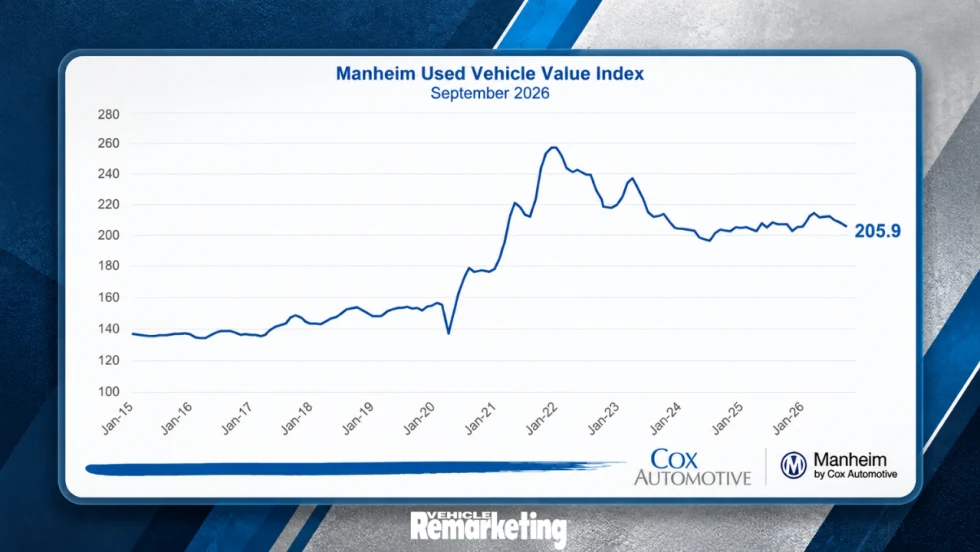
Wholesale used-vehicle prices declined in September as depreciation accelerated, prompting Cox Automotive to lower its year-end forecast.
Read More →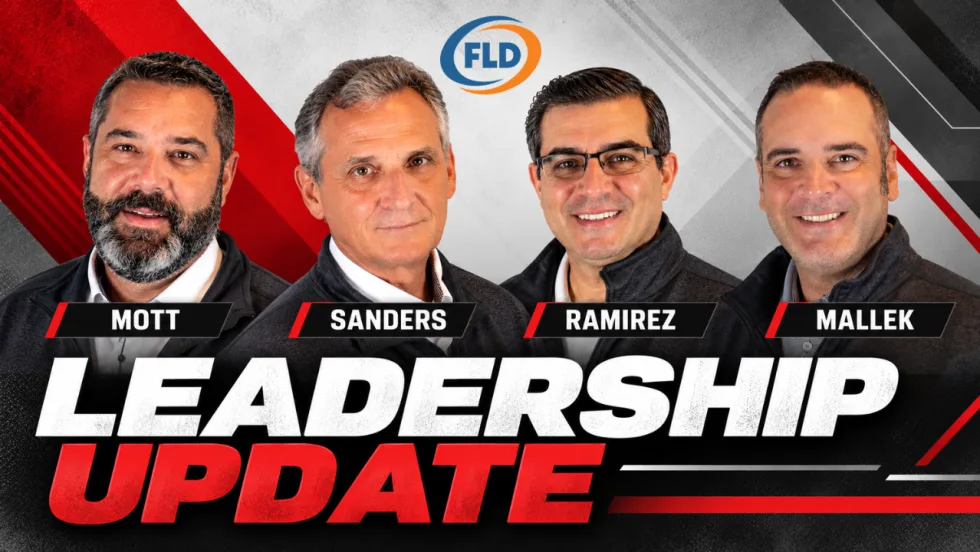
FLD Promotes Three Executives in Leadership Changes
FLD has promoted three longtime executives, naming Gary Mott CEO, Richard Mallek president, and Ron Sanders managing partner.
Read More →
How Fleets Can Recruit and Train Veterans for Technician Roles
Here's how the technician shortage has affected uptime for fleets, and what to do about it.
Read More →

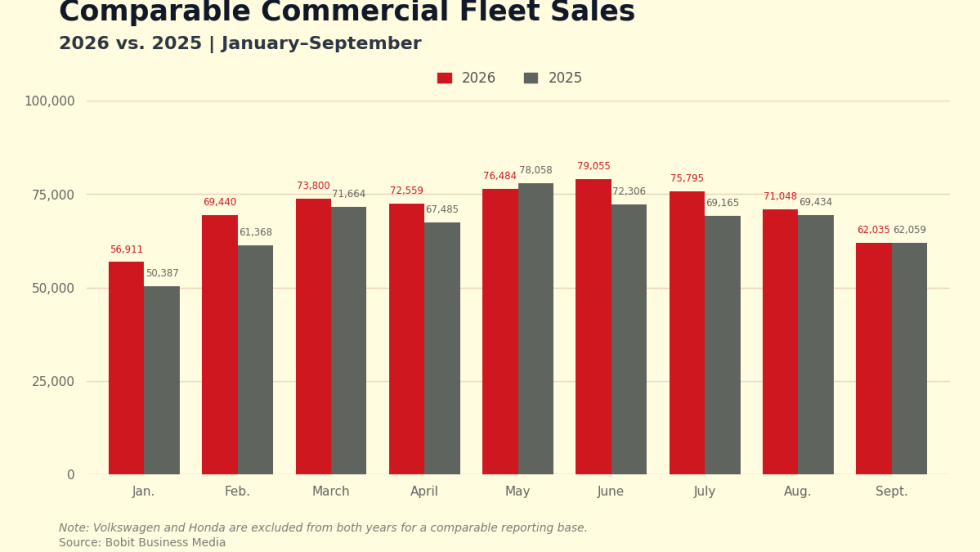
Commercial Fleet Sales Rise 5.8% Through September 2026
September commercial fleet sales were essentially unchanged from a year earlier, slowing year-to-date growth while keeping volume ahead of 2025.
Read More →
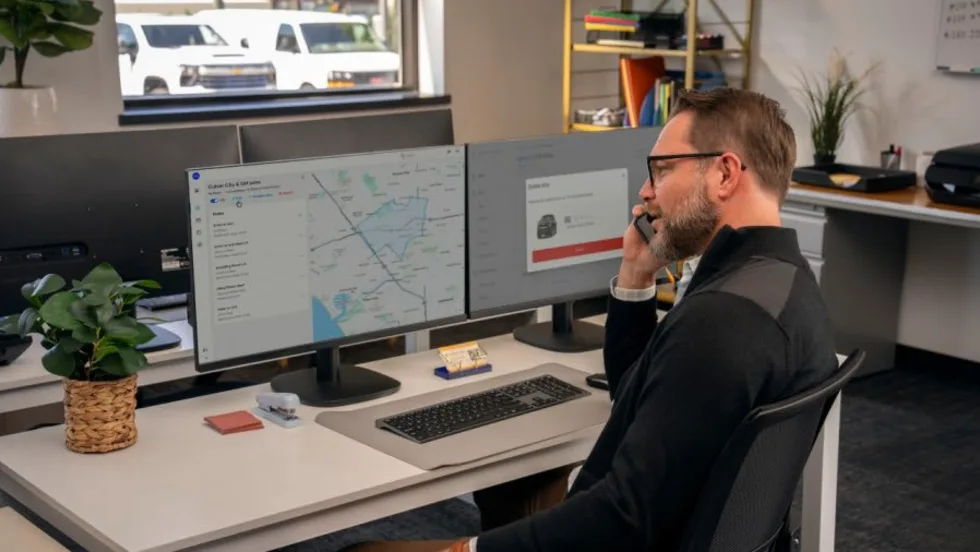
GM Launches OnStar Fleet Intelligence Platform With AI Assistant
The new platform brings vehicle data, order tracking, connected services and fleet analytics into one system, with an AI assistant that can answer fleet questions using natural-language prompts.
Read More →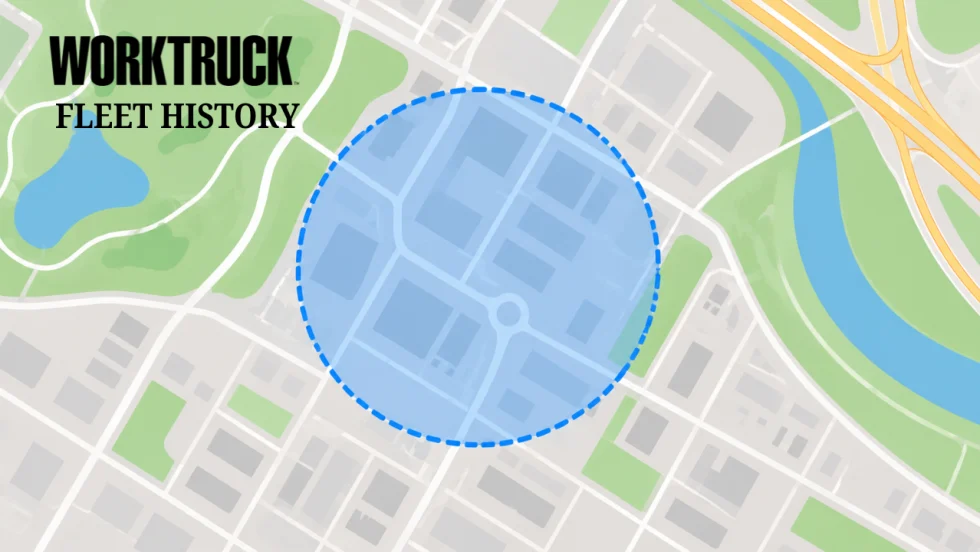
GeoFencing Adds to Your Truck Security Arsenal
Geofencing is a familiar fleet tool today, but its early adoption marked a major shift in vehicle tracking, route monitoring, and the debate over employee privacy.
Read More →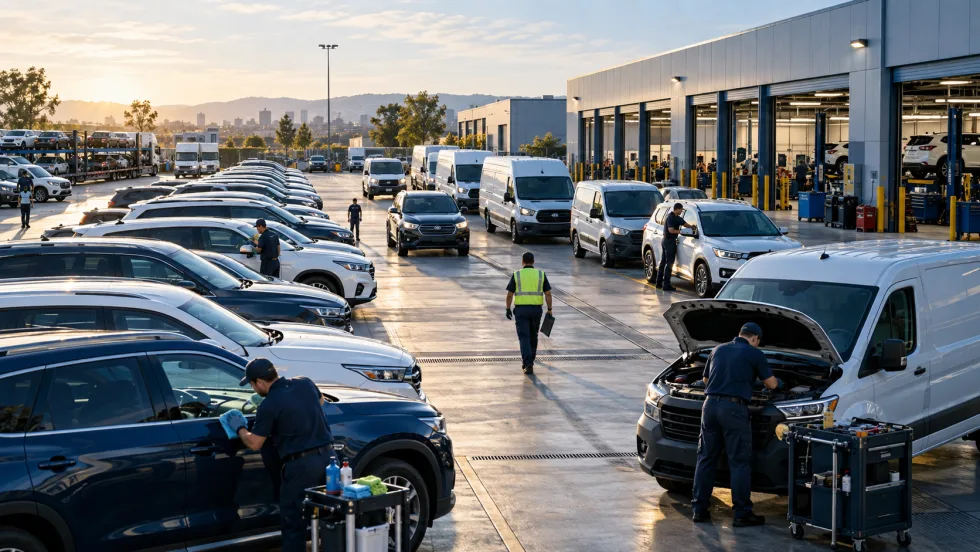
Fleet Operations, Unfiltered: Operators Share What Actually Works for Scale
Read More →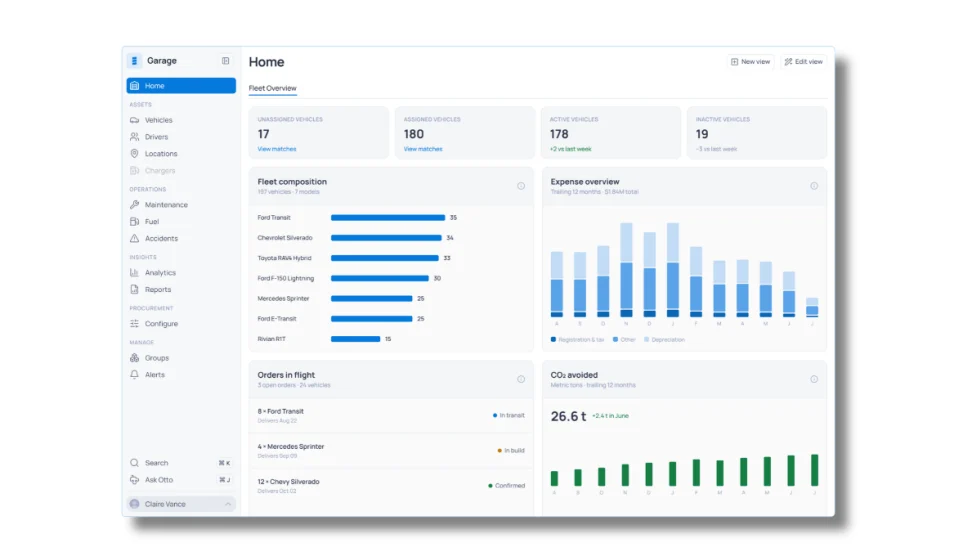
Inspiration Fleet Introduces Garage 2.0 Fleet Intelligence Platform
Fleet managers increasingly have access to data from vehicles, telematics, fuel, charging, and other systems, but those sources don't always communicate with one another. Inspiration Fleet's Garage 2.0 platform brings that information together while letting fleets keep working with different technology and service providers.
Read More →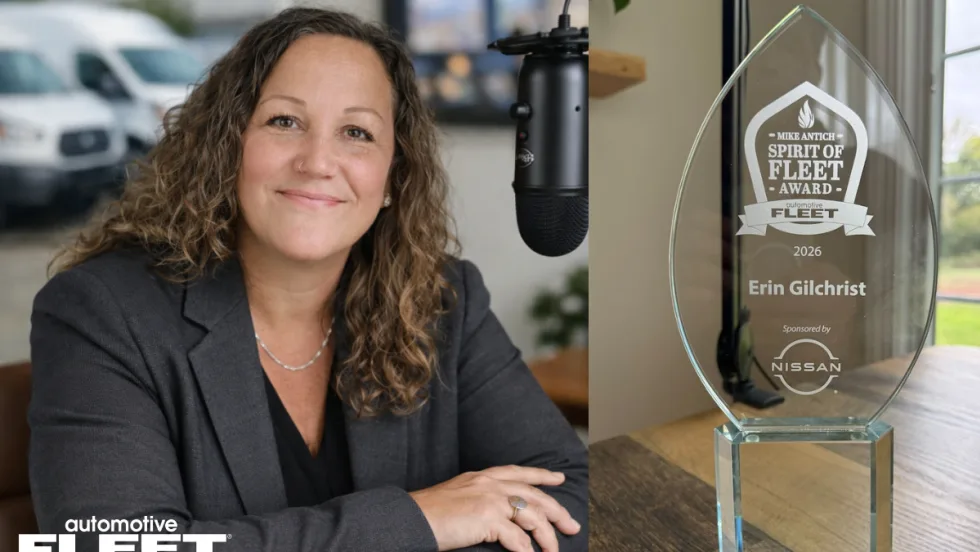
Erin Gilchrist Receives Mike Antich Spirit of Fleet Award
Last week at AFLA in Vegas, Erin Gilchrist received the inaugural, brand-new Spirit of Fleet Award.
Read More →