





Keep Learning: How to Create a GPS Tracking Executive Dashboard
When GPS Leads You Wrong
GPS is helpful but not foolproof. Learn how to use navigation systems safely and avoid distractions, bad directions, and costly mistakes.
March 2, 2018
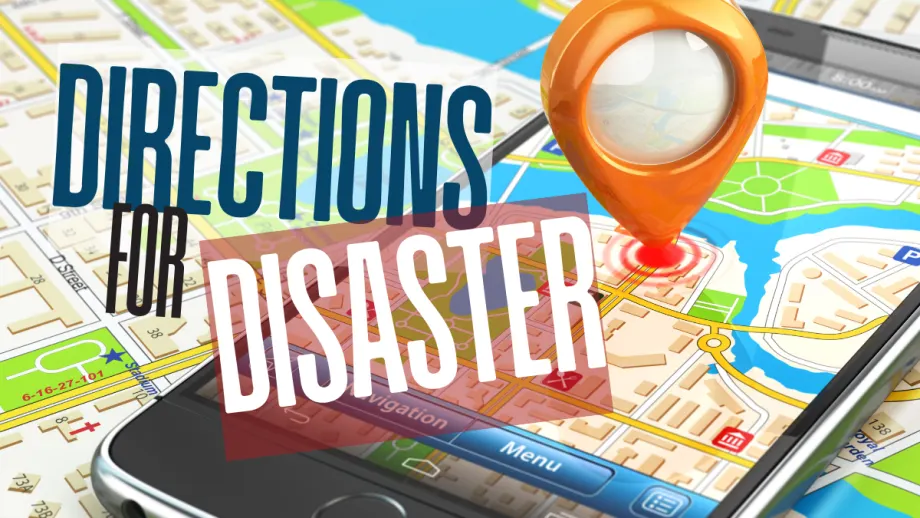
GPS can guide your route, but it shouldn’t replace your judgment. Staying alert and focused helps prevent wrong turns from becoming dangerous situations.
Credit: Automotive Fleet
2 min to read
Global Positioning System navigation devices, better known as GPS, may be one of the most useful tools drivers have. But they are not perfect, and relying on them too heavily can put you in risky situations.
Consider a few real-world examples:
A driver near Santa Fe, New Mexico, followed his GPS to avoid traffic, only to end up at a dead-end facing a 200-foot cliff.
A 70-year-old driver in Texas said his GPS once directed him into oncoming traffic. He now jokingly calls it “Christine.”
A Pennsylvania driver adjusting a new GPS on a dark road rear-ended a stopped vehicle just over a hill.
With millions of vehicles equipped with GPS, these systems can absolutely improve safety. They help drivers anticipate turns, reduce last-minute maneuvers, and lower stress in unfamiliar areas.
But like any tool, they need to be used wisely.
Keep Your Focus on the Road
GPS directions are not always accurate. Maps can be outdated, and systems can glitch. Use your judgment and don’t blindly follow directions that don’t make sense. Most importantly, don’t stare at the screen while driving.
Set Your Route Before You Go
Adjusting your GPS while driving is a major distraction. Enter your destination and review your route before you start moving. If you need to make changes, pull over safely first.
Don’t Block Your View
If you use a portable GPS, make sure it doesn’t obstruct your line of sight. Some states even restrict windshield mounting, so it’s worth knowing the rules where you drive.
Preview Your Route
If you’re heading somewhere new, take a minute to review the route ahead of time. Many systems allow you to preview turns or simulate the trip. A quick look can help prevent surprises later.
Keep It Out of Sight When Parked
Portable GPS units can attract thieves. When you leave your vehicle:
Store the device out of sight
Remove charging cables
Wipe away suction cup marks from the windshield
A GPS can make driving easier, but it shouldn’t replace awareness and good judgment. Think of it as a guide, not a decision-maker.
Subscribe to Our Newsletter
More Telematics
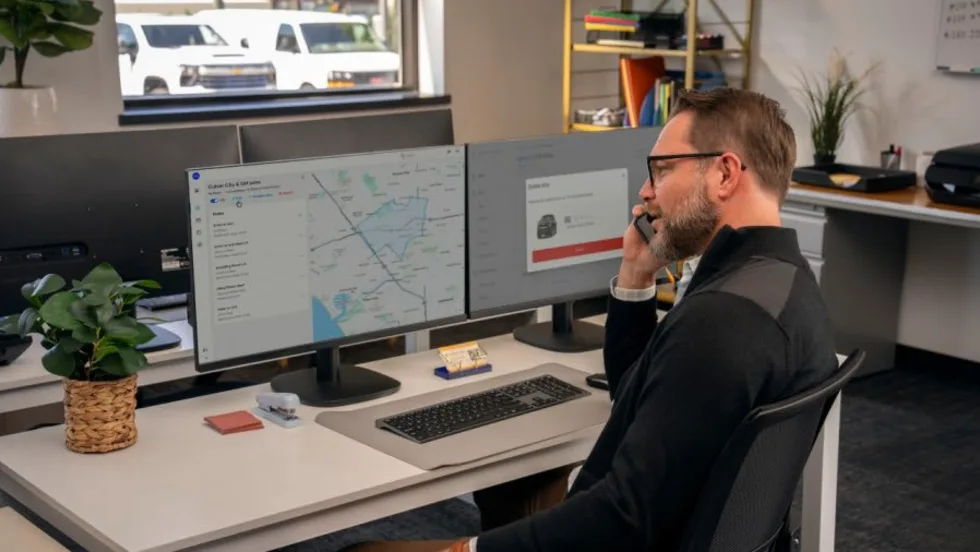
GM Launches OnStar Fleet Intelligence Platform With AI Assistant
The new platform brings vehicle data, order tracking, connected services and fleet analytics into one system, with an AI assistant that can answer fleet questions using natural-language prompts.
Read More →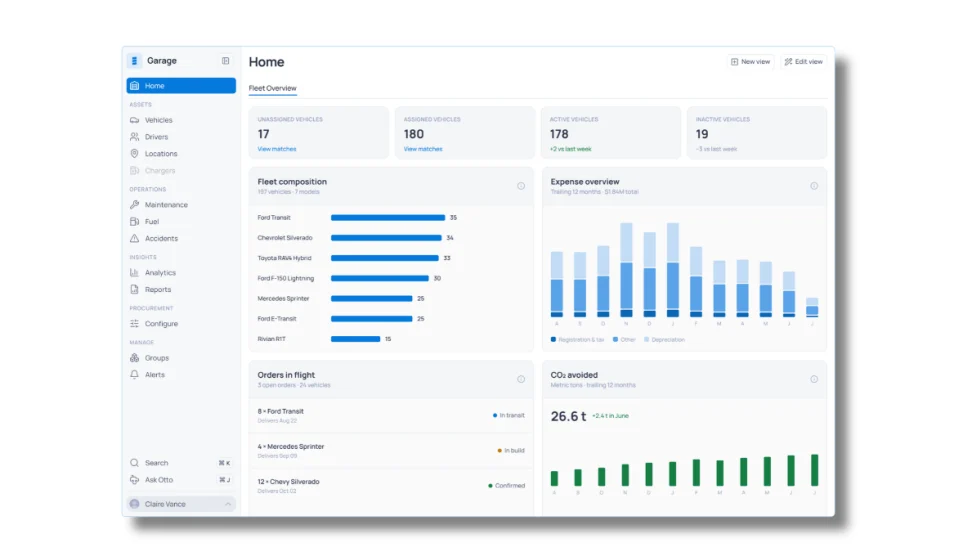
Inspiration Fleet Introduces Garage 2.0 Fleet Intelligence Platform
Fleet managers increasingly have access to data from vehicles, telematics, fuel, charging, and other systems, but those sources don't always communicate with one another. Inspiration Fleet's Garage 2.0 platform brings that information together while letting fleets keep working with different technology and service providers.
Read More →
Inside Inspiration Fleet’s New Platform for Connecting Fleet Data
Inspiration Fleet CTO Chris Getner explains how the new Garage 2.0 platform is designed to connect disparate fleet data and what that could mean for fleet managers in practice.
Read More →
Sponsored•October 1, 2026
Fleet Manager’s Ultimate Playbook: Navigating the New Standard in OEM Connectivity
Rising operating costs, driver safety concerns, and unplanned downtime are putting unprecedented pressure on modern fleets. Discover how fleet managers use embedded OEM connectivity and real-time vehicle data to cut TCO, prevent downtime, and protect drivers without aftermarket telematics hardware.
Read More →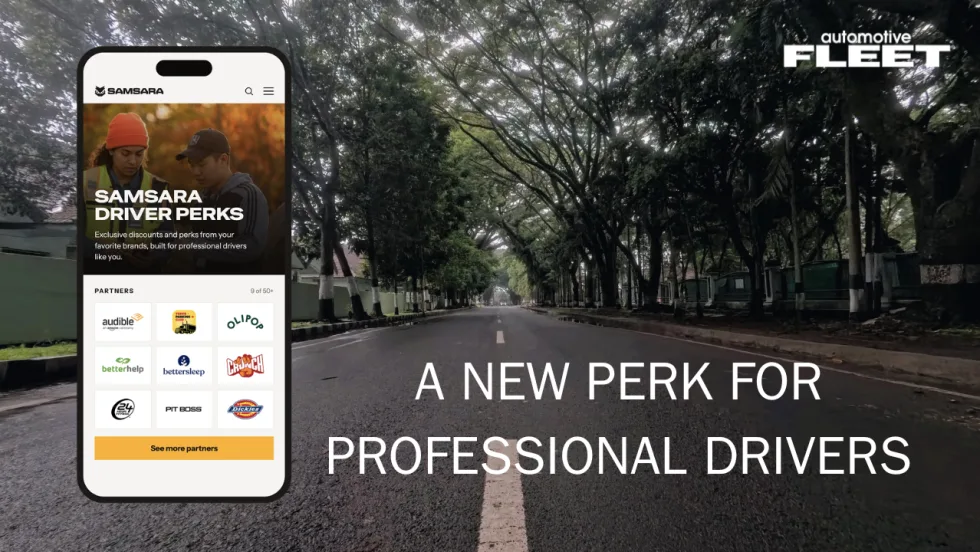
Samsara Driver Perks Adds New Benefit for Corporate Fleet Drivers
The rewards program gives eligible professional drivers access to discounts from more than 50 brands while giving fleets another way to support recruitment, retention, and the driver experience.
Read More →
Inside the Church of Jesus Christ of Latter-day Saints’ Two-Track Telematics Strategy
With 20,000 vehicles and two fundamentally different driver populations, the Church faced a fleet management problem that a single telematics program couldn't solve. How it responded offers a replicable framework for any fleet where one size doesn't fit every driver.
Read More →
How Conversational AI Can Make Fleet Tasks Easier for Drivers
While most generative AI tools help fleet managers interpret data at their desks, Connex2X is applying voice interaction to tasks behind the wheel.
Read More →
Why Fleets Are Creating Dedicated Fleet Analyst Positions
Are fleet analyst positions the new norm? Listen here to find out.
Read More →
Teletrac Navman Begins Next Chapter as Standalone Private Company
What's new with Teletrac Navman and its new owner?
Read More →
Why Fleets Are Creating Dedicated Fleet Analyst Positions
Telematics, AI, EVs, and connected technologies are generating more fleet data than traditional teams can effectively manage. Reed Jackson explains why dedicated fleet analytics roles are emerging to turn that information into better operational decisions.
Read More →