




CES 2026: A Fleet Perspective from the Show Floor
Here’s my perspective on the things that stood out at CES this year, and a few that didn’t.
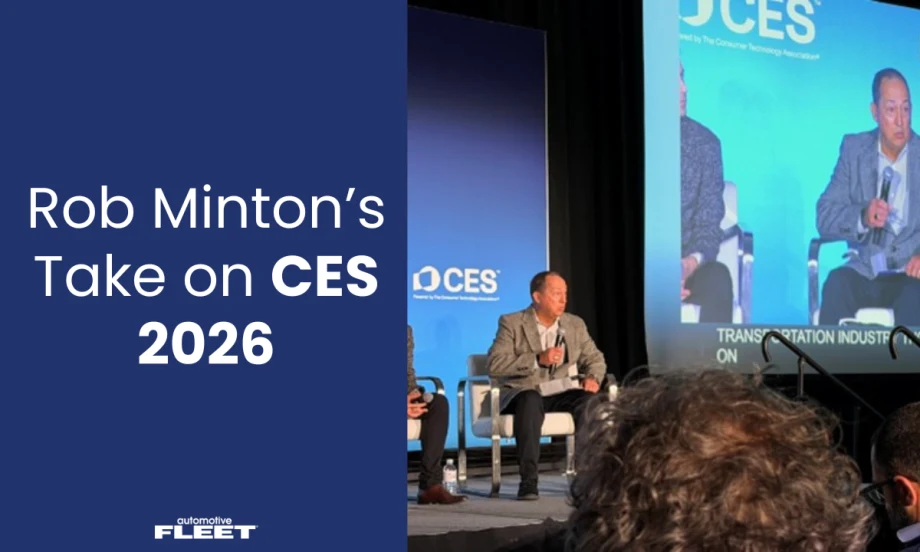
Long-time CES attendee Rob Minton, formerly of Geotab and now president of his consultancy, RevvedUP Strategies, shares his perspective on the hot fleet-related tech from this year’s show.
Credit: Rob Minton
Every year at CES, there’s a theme that shows up everywhere you look. Last year, it was AI. This year, it was robotics — humanoid robots, robotaxis, and automation of just about anything you can think of.
From a fleet standpoint, though, there wasn’t a lot on the show floor that felt immediately applicable. There were plenty of electric vehicles, but most were from Chinese manufacturers, and it’s hard to see many of those reaching U.S. fleet buyers anytime soon.
There was also no shortage of talk about software-defined vehicles and new technology platforms. That’s interesting, but as fleets know, this kind of tech usually lands in consumer vehicles first and only later makes its way into work trucks and vans, often at a price point that fleets have to think hard about.
Who Wasn’t There
One thing that stood out was the absence of Ford, GM, and Stellantis. None of them had a presence at CES this year.
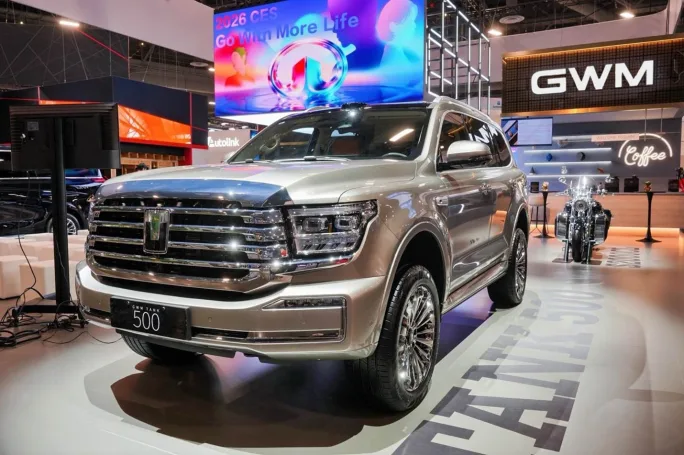
A Chinese truck of Great Wall Motors (GWM) takes the floor at this year's CES show.
Credit: Rob Minton
Instead, companies like Geely and Great Wall Motor were showing vehicles and concepts. While it was interesting to see what they’re working on, most of it didn’t feel very relevant to North American fleet operations in the near term.
It reinforced the idea that CES today isn’t really about vehicle launches anymore. It’s more about the technology behind the vehicles.
Oshkosh Shows Practical Fleet Tech
One company that did stand out for fleets was Oshkosh.
Oshkosh is already well known in fleet circles, especially in fire, rescue, and other specialty applications, and they had a strong presence at the show. They’re currently building the Next-Generation Delivery Vehicle
Oshkosh is currently producing its Next-Gen Delivery Vehicle (NGDV) for the US Postal Service. At CES, they were highlighting some of the delivery technology features that are incorporated into the NGDV but could be used in other fleet vehicles.
Credit: Rob Minton
(NGDV) for the U.S. Postal Service, and at CES, they highlighted some of the technology that’s built into that platform.
What was interesting is that these weren’t concept ideas; they’re systems already being used or close to it, and they could apply to other commercial fleet vehicles as well.
A Different Approach to Collision Avoidance
One of the more practical technologies I saw was CAMS (Collision Avoidance Mitigation System). Dr. Jeff Heggemeier, vice president of delivery vehicle programs at Oshkosh, walked me through how it works.
CAMS is designed for situations fleet drivers deal with every day — vehicles parked along active roadways, drivers getting in and out in traffic, and people working just feet from moving cars. The system uses radar, AI, and camera technology to monitor approaching traffic and warn the driver if a collision risk is developing.
Inside the cab, there’s also a camera view that lets the driver see whether a car, a bike, or a pedestrian is approaching before opening the door. The system also records video, which can be used later for incident review or insurance purposes.
CAMS received a CES 2026 Innovation Award, and from a fleet perspective, it’s easy to see why, as it’s aimed at a real problem fleets deal with every day.
A Big Electric Vehicle That Actually Makes Sense
The biggest crowd-stopper in the Oshkosh booth was the Striker Electric Aircraft Rescue and Firefighting Vehicle.
This is a 93,000-pound airport fire truck, built for heavy, nonstop use. Dallas-Fort Worth International Airport already has five of these vehicles in service, and the one on display at CES is headed there once the show wraps up.
Dan White, fire chief at DFW International Airport, shared that the vehicle reaches incident scenes about 28% faster than their traditional diesel units. The hybrid electric system also allows the truck to operate with zero emissions during station entry, standby, and low-speed operation, helping reduce firefighter exposure to diesel exhaust.
For anyone wondering whether electrification has a place in heavy-duty fleet applications, this was a strong real-world example.
A Note on Data and Fleets
CES also offers a wide range of educational sessions. I participated in a panel called “Data Dollars: Unlocking New In-Vehicle Revenue Streams.”
From a fleet point of view, the idea of using vehicle data isn’t new. While there’s still debate about whether consumers will pay for data-based features, fleets have relied on data for years to manage maintenance, safety, routing, and overall cost.
The Takeaway for Fleets
CES has changed a lot over the years. It feels less like an auto show now and more like a place where companies show the building blocks of future vehicles.
For fleet professionals, that means the most useful takeaways aren’t always obvious. The value is usually in the non-splashy places with technologies that improve safety, reduce downtime, or solve specific operational problems.
CES 2026 didn’t have many answers fleets can use tomorrow, but it did show where some practical solutions are starting to take shape.
And if you look hard enough, you can still find some impressive trucks along the way!
More Telematics
Element Expands Waymo Partnership to Support Toronto Robotaxi Fleet
As Waymo prepares to enter the Canadian market, Element Fleet Management will oversee the fleet operations supporting its planned Toronto launch. The partnership highlights the maintenance, charging, and infrastructure requirements behind operating autonomous vehicles at scale.
Read More →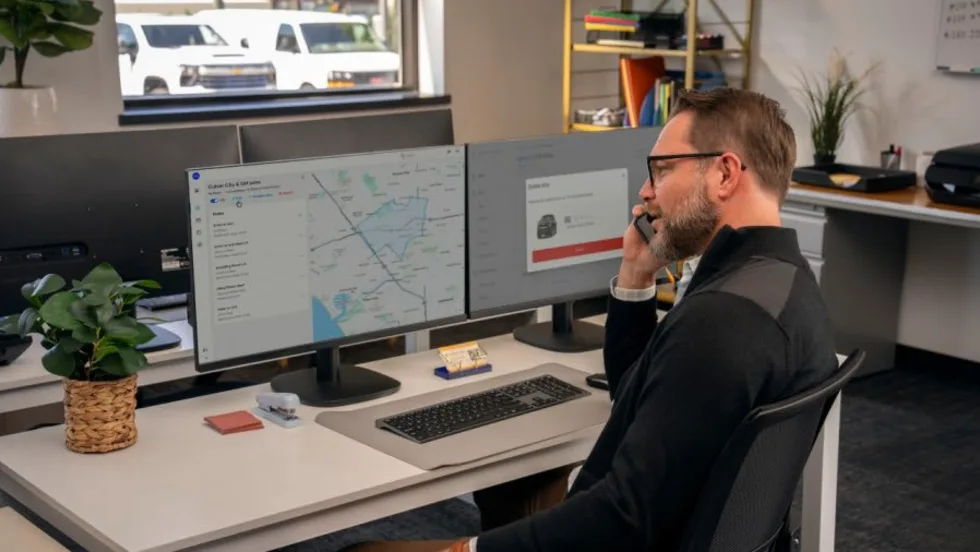
GM Launches OnStar Fleet Intelligence Platform With AI Assistant
The new platform brings vehicle data, order tracking, connected services and fleet analytics into one system, with an AI assistant that can answer fleet questions using natural-language prompts.
Read More →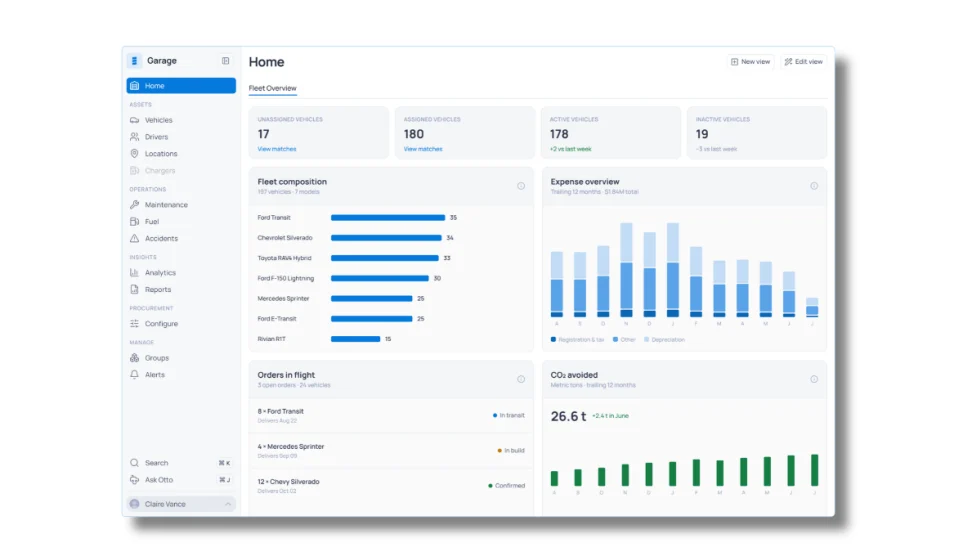
Inspiration Fleet Introduces Garage 2.0 Fleet Intelligence Platform
Fleet managers increasingly have access to data from vehicles, telematics, fuel, charging, and other systems, but those sources don't always communicate with one another. Inspiration Fleet's Garage 2.0 platform brings that information together while letting fleets keep working with different technology and service providers.
Read More →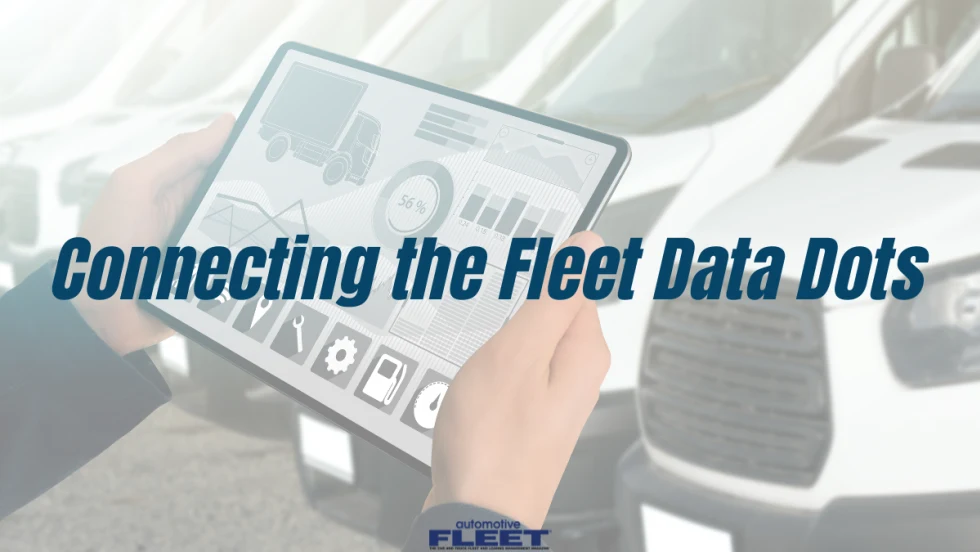
Inside Inspiration Fleet’s New Platform for Connecting Fleet Data
Inspiration Fleet CTO Chris Getner explains how the new Garage 2.0 platform is designed to connect disparate fleet data and what that could mean for fleet managers in practice.
Read More →
Fleet Manager’s Ultimate Playbook: Navigating the New Standard in OEM Connectivity
Rising operating costs, driver safety concerns, and unplanned downtime are putting unprecedented pressure on modern fleets. Discover how fleet managers use embedded OEM connectivity and real-time vehicle data to cut TCO, prevent downtime, and protect drivers without aftermarket telematics hardware.
Read More →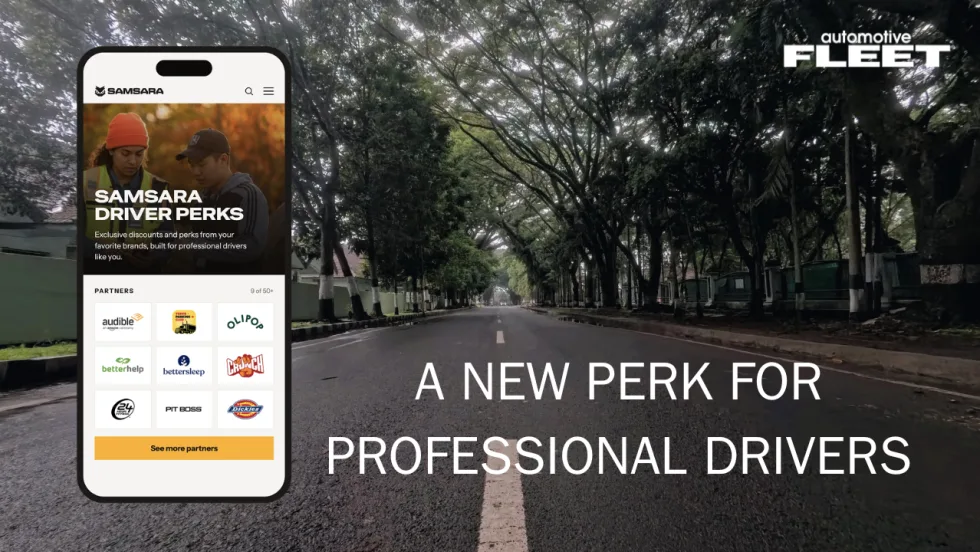
Samsara Driver Perks Adds New Benefit for Corporate Fleet Drivers
The rewards program gives eligible professional drivers access to discounts from more than 50 brands while giving fleets another way to support recruitment, retention, and the driver experience.
Read More →
Inside the Church of Jesus Christ of Latter-day Saints’ Two-Track Telematics Strategy
With 20,000 vehicles and two fundamentally different driver populations, the Church faced a fleet management problem that a single telematics program couldn't solve. How it responded offers a replicable framework for any fleet where one size doesn't fit every driver.
Read More →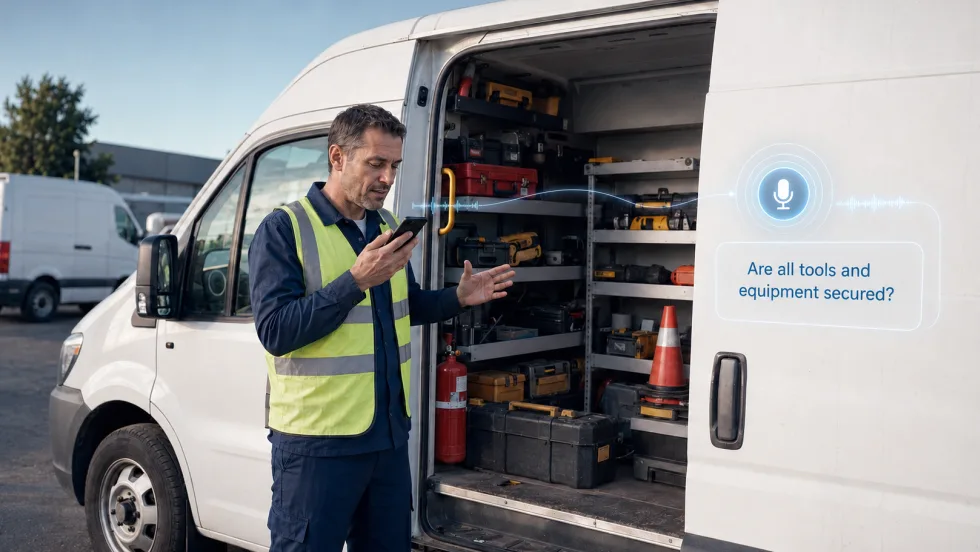
How Conversational AI Can Make Fleet Tasks Easier for Drivers
While most generative AI tools help fleet managers interpret data at their desks, Connex2X is applying voice interaction to tasks behind the wheel.
Read More →
Why Fleets Are Creating Dedicated Fleet Analyst Positions
Are fleet analyst positions the new norm? Listen here to find out.
Read More →
Teletrac Navman Begins Next Chapter as Standalone Private Company
What's new with Teletrac Navman and its new owner?
Read More →