




The Armadillo's High Profile
The HCV van, aka the “Armadillo,” offers more than six feet of headroom, various powertrain options, and Ford and GM servicing infrastructure.
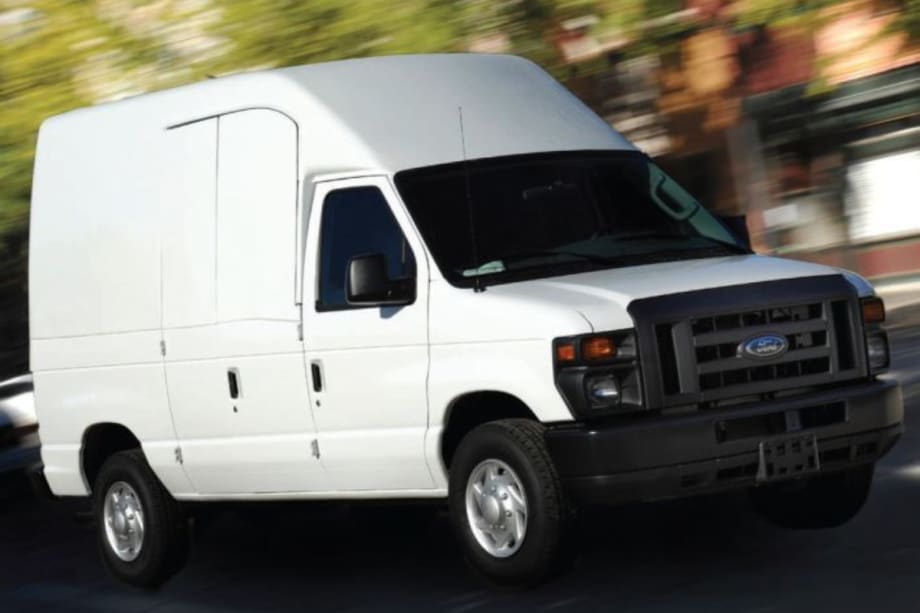
The HCV, aka the "Armadillo," is designed to fit the Chevrolet Express, GMC Savana, and Ford Econoline van chassis.
Photo: Vision Manufacturing LTD
Vision Manufacturing LTD’s new high-capacity van (HCV) offers fleets an American-made OEM upfit with the characteristics of the Dodge Sprinter, while taking advantage of Ford and GM’s powerful V-10 and V-8 gas and diesel engines and thousands of service centers.
The HCV, aka the "Armadillo," is designed to fit the Chevrolet Express, GMC Savana, and Ford Econoline van chassis. The walk-thru van provides more than six feet of headroom and plenty of cargo capacity and good fuel efficiency for its size.
The Ford regular and extended vans are currently available for upfitting. The full GM line is expected to be ready later this year.
"Our vision was to give the Ford and GM customer an intelligent alternative to the Dodge Sprinter," says Darryl Connors, president and CEO of Vision, an authorized Ford and GM pool manufacturer.
Chassis Meets Upfit
In business for more than 25 years as a conversion van maker, Vision spent more than $2 million to design a product that Ford and GM customers would embrace.
"We are able to provide a vehicle that has the ergonomic benefits and the same easy ingress and egress as the Sprinter while benefiting from Ford and GM architecture," says Connors.
In terms of design, consumers will not be able to tell where the chassis meets the upfit, Connors says. The design incorporates a complete van chassis instead of a cutaway. The vehicle is cut below the beltline to enable integration of the upper and lower portions of the vehicle with a seamless finish. "It improves aerodynamic appeal," Connors says.
The HCV van was designed by Applied Technologies, an automotive engineering firm that specializes in chassis and drivetrain design for the Big Three U.S. OEMs.
The upfit is designed to incorporate factory door hardware and electronics to cut down on servicing issues. Metal support systems were integrated into the top to reinforce the vehicle’s structural integrity.
"Safety is carried through the entire design from the ground up," says Craig Winn, president of Applied Technologies. "Because the design uses the full body of the van, not just the chassis, the new top and doors incorporate the structural rigidity engineered into the original van body."
The van has met the government recertification requirement for roof crush, Winn says.
Specs Offer Flexibility
With 75 inches of rear-door clearance and 73 inches of side-door clearance, Vision offers cargo doors on both, compared to the Sprinter’s passenger-side slider. Vision’s standard high top is approximately 6 inches taller than the Sprinter and offers a slightly wider footprint.
Total cargo volume ranges from 395-500 cubic square feet, depending on make and model.
The HCV conversion adds only 90-120 lbs. of extra weight, according to Bill Molitor, fleet chassis manager for Jackson, Miss.-based Watson Quality Ford. Other upfits can add significantly more weight, which reduces payload capacity.
Molitor says the vehicle’s walk-in convenience is ideal for any industry with payload needs ranging from 3,300-3,900 lbs.
The Vision HCV takes advantage of Ford’s numerous powertrain options on the Econoline E-150, E-250, and the E-350 chassis, in both standard and extended versions. The E-150 and E-250 models offer 4.6L and 5.4L V-8 gasoline engines with automatic transmissions. The E-350 models offer 5.4L V-8 gasoline, 6.8L V-10, and 6.0L V-8 diesel engines.
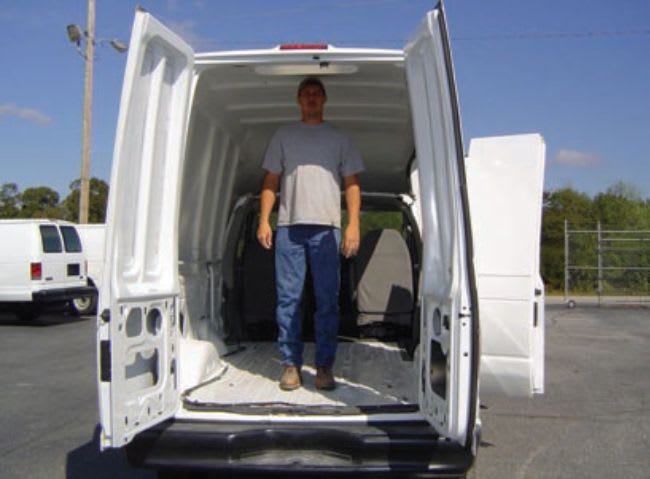
Vision Manufacturing’s HCV van features a complete van chassis instead of a cutaway, incorporating the factory door hardware and electronics. The walk-thru interior has six feet of headroom and can be configured with a variety of rack and bin packages already available to end users.
Price & Ordering
Many fleet customers made the commitment to the Armadillo based on initial cost savings which, according to Connors, can be substantial.
The cost to add the Armadillo body to a Ford or GM ¾- or 1-ton van is $9,995 for regular-length vans and $10,995 for extended models. Shipping is extra.
Vision’s HCV van can be paired with Ford’s E-Series fleet, government, or retail price programs.
The Ford van with the HCV conversion carries a three-year/36,000-mile warranty, while Ford’s powertrain comes with a 60-month/60,000-mile warranty.
GM and Ford cargo van factory orders require a lead time of six to eight weeks, some longer depending on options stops. When coordinated with upfit production and shipping, total lead extends to approximately 10-12 weeks from the time of the signed order.
Currently, fleet customers can order the HCV from 23 Ford dealers across the country.
HCV Enters Fleet
Target markets are delivery fleets that require more cargo capacity than the standard Ford or GM vans as well as the ability to stand up inside the van. The unit will also be introduced to floral, dry cleaning, and pharmaceutical companies.
"With the Econoline making up more than 70 percent of the van market, [the HCV] is a great place to start," says Tom Meeks, CEO and president of Continental First Federal Inc. (CFF), a major truck supplier to FedEx contractors and other logistics companies, located in Mt. Juliet, Tenn.
Meeks sees the van’s expansive panels as good white space for company advertising. He bought the second HCV test van and branded it with his company logo.
Vision Manufacturing is building 600 units for CFF at its factory in Georgia. The first van recently entered the FedEx fleet in Vermont.
CFF is a fleet customer as well as an authorized reseller. Meeks intends to keep 50 upfit units in inventory for immediate sale at CFF’s retail location in suburban Nashville.
Built for Adapability
The HCV upfit will evolve depending on the industry it serves, including installing shelving systems for electricians and plumbers. "Fleets that purchase and use the van will determine future product improvements and options," says Molitor.
Aftermarket manufacturers will build interior and exterior options for the Vision HCV according to market demand. Ladder racks, lifts, racks, bins, back-up cameras, and other products are already available for the end user.
Originally posted on Work Truck Online
More Articles
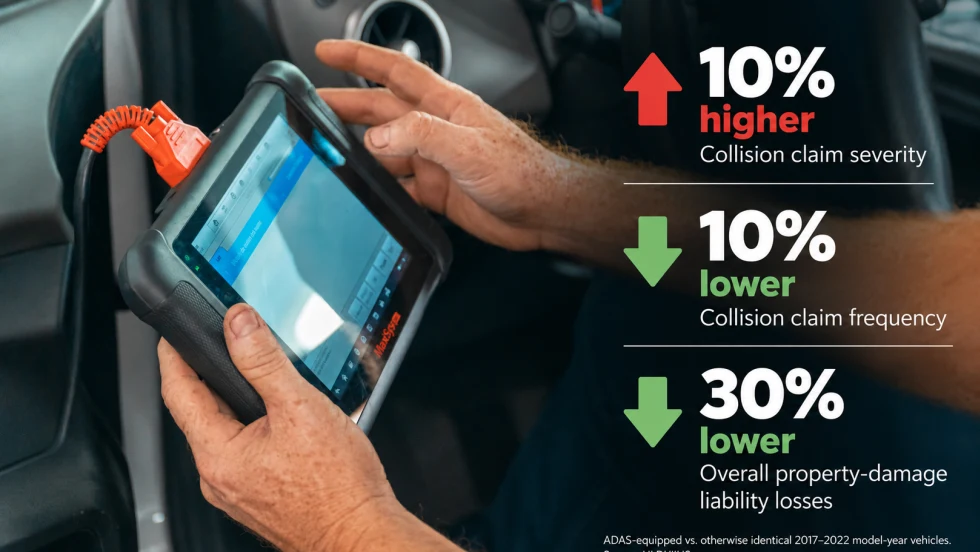
The Economics of ADAS: Fewer Crashes, Higher Repair Costs
IIHS data shows that crash-avoidance technology can increase individual repair costs while reducing overall losses. For fleets, downtime and calibration add another layer of cost.
Read More →
Fleet Forward Conference Introduces One-Day Passes for 2026
New one-day registration gives fleet professionals the flexibility to attend Tuesday, Wednesday, or Thursday, with passes available for $199 through Sept. 18.
Read More →
Holman Takes Full Ownership of ARIZA in Mexico
Holman is bringing its Mexican fleet management operation fully under its own brand after more than 30 years as a joint venture. The change gives multinational fleet customers a single Holman operation across the U.S., Canada, and Mexico.
Read More →
Nexar-Nauto Merger Aims to Give Fleets Better Safety Intelligence Through Larger Driving Dataset
Stefan Heck tells Automotive Fleet that combining more than 10 billion miles of driving history with Nexar's AI models will give fleets deeper insights into driver risk and roadway conditions than either company could provide independently.
Read More →
Don't Wait for a Crisis: 5 Ways to Build Mental Health Into Your Fleet Safety Program
For Suicide Prevention Month, fleet and safety leaders have an opportunity to put mental health where it belongs: at the center of workplace safety.
Read More →
Fleet Has a Talent Pipeline Problem. What Comes Next? | AF News Recap
Where will fleet’s next generation of leaders come from? This week, we’re looking at the industry’s talent pipeline, what certification can add to a fleet career, how to build an award-worthy track record, and the return of Automotive Fleet’s Personal Use Survey.
Read More →
How AI Can Support Smarter Fleet Maintenance Decisions
AI can help fleets anticipate maintenance needs and make better decisions, but realizing its value starts with clean data, strong processes and measurable results.
Read More →
Copart to Acquire ACV in $1.9 Billion Deal
The acquisition would expand Copart beyond its traditional salvage business into dealer-to-dealer wholesale remarketing while adding ACV’s vehicle data, inspection, and valuation technology.
Read More →
Samsara Driver Perks Adds New Benefit for Corporate Fleet Drivers
The rewards program gives eligible professional drivers access to discounts from more than 50 brands while giving fleets another way to support recruitment, retention, and the driver experience.
Read More →
EV Realty Names Henrik Holland President as Charging Platform Expands
The former Prologis Mobility and Shell executive will help expand EV Realty’s truck charging business and move its power-first infrastructure model into autonomous vehicle depots and other fleet sectors.
Read More →