




Telematics Captures the Missing Variables Needed for “Total Fuel Management”
Controlling fuel costs is the number one challenge facing fleet managers, and it has been for the past five years. Nowadays, fuel consumes 28-30 percent of the total fleet budget.

Controlling fuel costs is the number one challenge facing fleet managers, and it has been for the past five years. Nowadays, fuel consumes 28-30 percent of the total fleet budget. Well-run fleets prohibit the purchase of premium fuel, set transaction and dollar limits to restrict unauthorized fuel purchases, limit fuel card purchases to only fuel, and acquire the most fuel-efficient vehicles that can meet the fleet application. However, these practices only partially control overall fuel spend. What’s missing?
Driver misbehavior is the missing variable needed to achieve what I term “total fuel management.” By driver misbehavior, I mean driving that is consistently over the posted speed limit, excessive and/or unnecessary idling, and practices that increase fuel consumption such as improper shifting by truck drivers. At first blush, these behaviors may seem inconsequential to the overall fleet spend. However, recent studies of test fleets have revealed that driver misbehavior can increase fuel expenses between 5 to 15 percent. The amount of money wasted has surprised many industry observers, including myself. Until recently, fleet managers have been unable to quantify the amount of fuel wasted due to employee speeding and excessive idling because of a lack of supporting data. However, telematics allows fleet managers to capture this data. By telematics, I am referring to a range of devices used on vehicles that incorporate a combination of onboard microprocessor, wireless data transmission, and global positioning system technology. These onboard telematic devices transmit telemetry and location information via cellular wireless technology. Like an electronic umbilical cord, telematic devices move wireless data from each vehicle to the desktop workstations of fleet managers.
Among the early adopters of telematics have been fleets such as ServiceMaster, GEICO, Ryder, KinderCare, Wal-Mart, UPS, and long-haul trucking fleets. These fleets are using telematic devices to continuously measure fuel consumption, along with monitoring vehicle performance and fleet utilization.
Fleets using telematics report major reductions in idling and an almost immediate turnaround of employees to driving the posted speed limit. Consistently, real-world fleet tests have repeatedly shown that telematics can reduce overall fuel consumption by 5 to 15 percent.
One early adopter fleet is Ryder System, which equipped 5,000 trucks with telematic devices to track them in real time. Ryder believes that with proper management, the system can impact fuel use by as much as 10 to 15 percent. Fleets leasing Ryder trucks can see where their vehicles are and if a driver is speeding or idling too much. The product, called RydeSmart, continuously monitors the truck's location, mileage, and speed, as well as other performance and diagnostic data, which businesses can access through a Web portal.
The Silver Lining to Higher Fuel Costs
The silver lining to the high cost of gasoline and diesel is that it creates the business case justifying the funding of fleet telematic devices. Senior management at heavy-truck fleets has embraced the technology, where an estimated 2 million trucks are installed with various telematic devices. Besides controlling fuel costs, telematics offers a way to track fleet assets, monitor performance, diagnose maintenance issues, and ensure driver and vehicle security using wireless telemetry. Furthermore, telematics systems provide a fleet manager with real-time, downloadable status reports on driver behavior, including vehicle speed, location, route compliance, while monitoring vehicle diagnostic components. Fleet managers can aggregate and analyze this data to create solutions to reduce operating costs, optimize fleet utilization, and educate employees to become more fuel-efficient drivers.
Saving Dollars, Not Pennies
Telematics is a powerful new fleet management tool. It enables fleet managers to influence previously uncontrollable driver behaviors that negatively contribute to total fuel spend. In addition, it provides fleet managers with indisputable data to support the business case for driver training funding and the development of reward/penalty programs.
Telematics will become the cornerstone of 21st Century fleet management. Each succeeding generation of telematics technology will further refine the ability to manage vehicles in real time, dramatically increase driver productivity/safety, make predictive vehicle maintenance feasible, while continuing to control unnecessary idling, miles driven, fuel purchases, and other expenses. This information, combined with other day-to-day fleet management data, promises to reduce future operating costs by dollars not just pennies.
Let me know what you think.
More Telematics
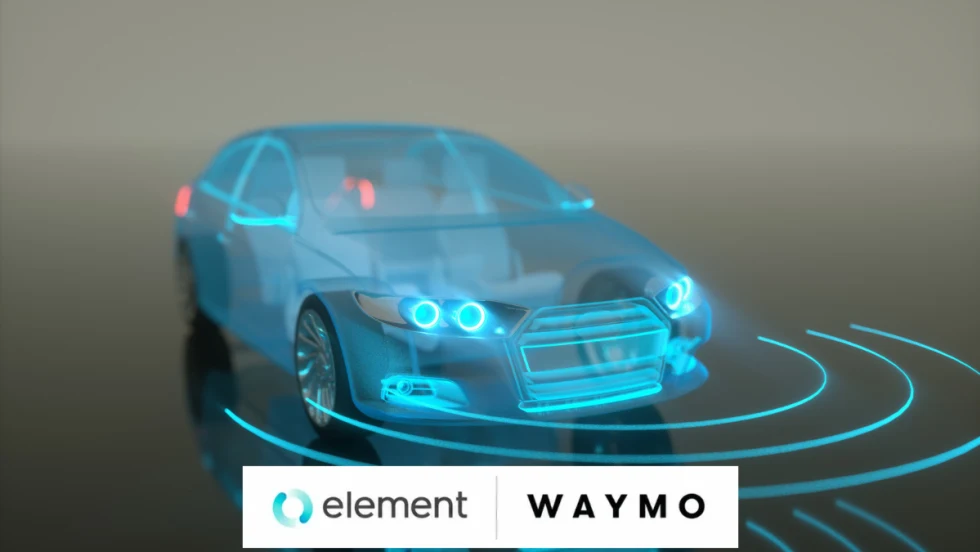
Element Expands Waymo Partnership to Support Toronto Robotaxi Fleet
As Waymo prepares to enter the Canadian market, Element Fleet Management will oversee the fleet operations supporting its planned Toronto launch. The partnership highlights the maintenance, charging, and infrastructure requirements behind operating autonomous vehicles at scale.
Read More →
GM Launches OnStar Fleet Intelligence Platform With AI Assistant
The new platform brings vehicle data, order tracking, connected services and fleet analytics into one system, with an AI assistant that can answer fleet questions using natural-language prompts.
Read More →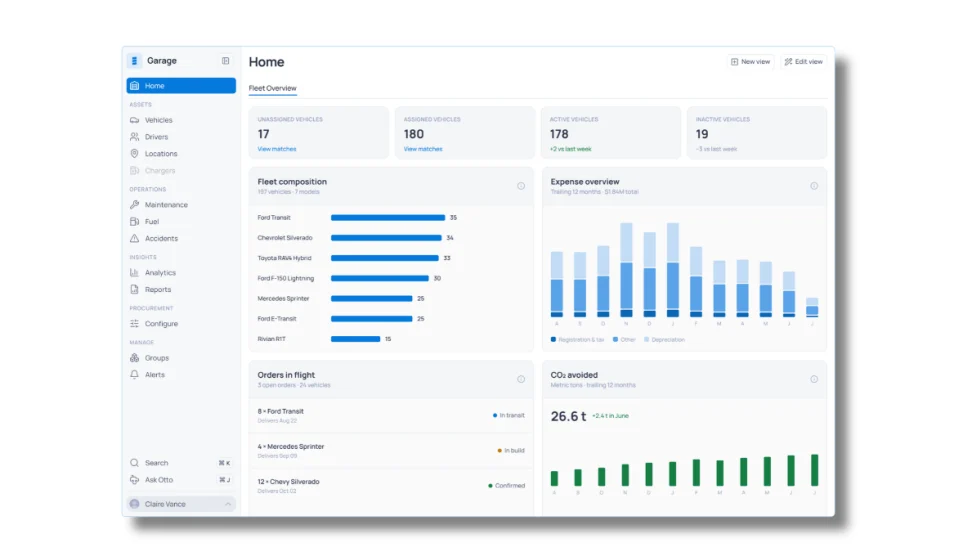
Inspiration Fleet Introduces Garage 2.0 Fleet Intelligence Platform
Fleet managers increasingly have access to data from vehicles, telematics, fuel, charging, and other systems, but those sources don't always communicate with one another. Inspiration Fleet's Garage 2.0 platform brings that information together while letting fleets keep working with different technology and service providers.
Read More →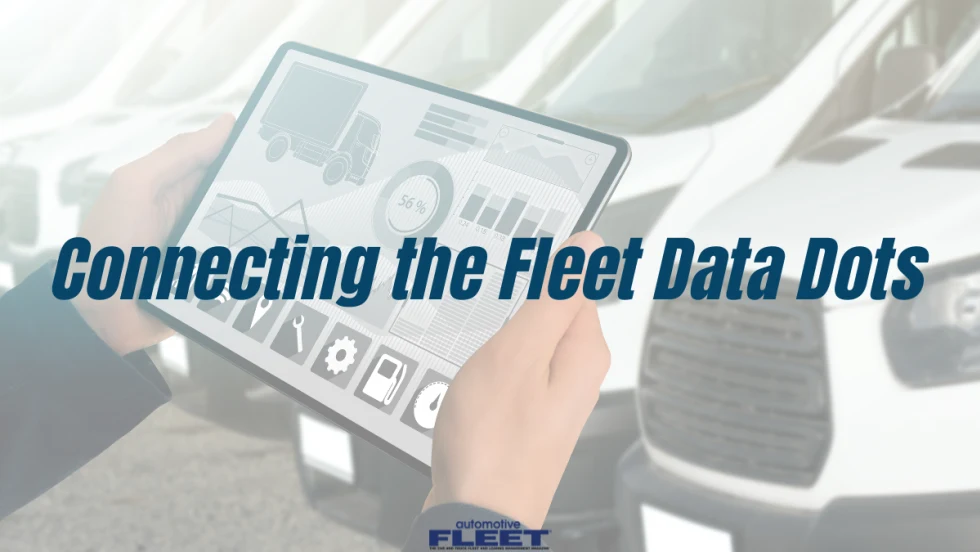
Inside Inspiration Fleet’s New Platform for Connecting Fleet Data
Inspiration Fleet CTO Chris Getner explains how the new Garage 2.0 platform is designed to connect disparate fleet data and what that could mean for fleet managers in practice.
Read More →
Fleet Manager’s Ultimate Playbook: Navigating the New Standard in OEM Connectivity
Rising operating costs, driver safety concerns, and unplanned downtime are putting unprecedented pressure on modern fleets. Discover how fleet managers use embedded OEM connectivity and real-time vehicle data to cut TCO, prevent downtime, and protect drivers without aftermarket telematics hardware.
Read More →
Samsara Driver Perks Adds New Benefit for Corporate Fleet Drivers
The rewards program gives eligible professional drivers access to discounts from more than 50 brands while giving fleets another way to support recruitment, retention, and the driver experience.
Read More →
Inside the Church of Jesus Christ of Latter-day Saints’ Two-Track Telematics Strategy
With 20,000 vehicles and two fundamentally different driver populations, the Church faced a fleet management problem that a single telematics program couldn't solve. How it responded offers a replicable framework for any fleet where one size doesn't fit every driver.
Read More →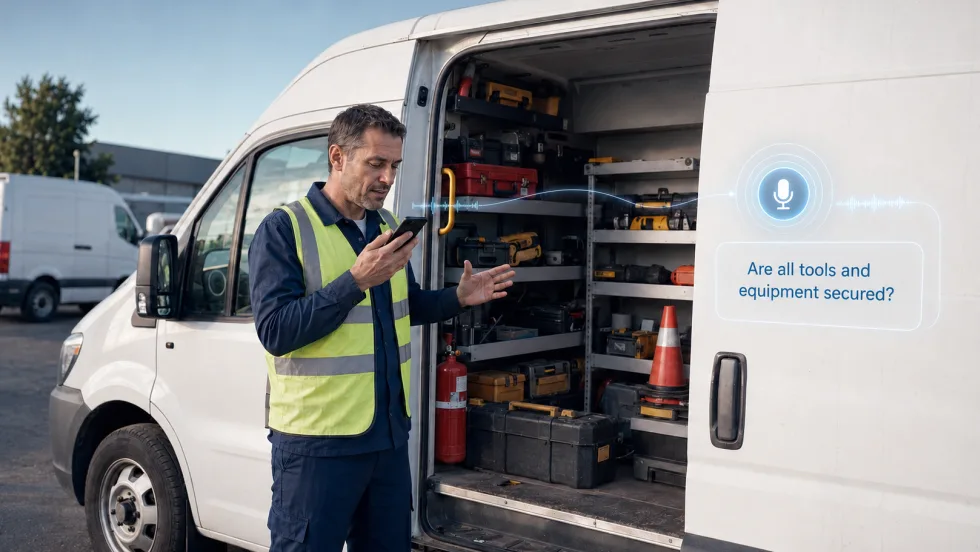
How Conversational AI Can Make Fleet Tasks Easier for Drivers
While most generative AI tools help fleet managers interpret data at their desks, Connex2X is applying voice interaction to tasks behind the wheel.
Read More →
Why Fleets Are Creating Dedicated Fleet Analyst Positions
Are fleet analyst positions the new norm? Listen here to find out.
Read More →
Teletrac Navman Begins Next Chapter as Standalone Private Company
What's new with Teletrac Navman and its new owner?
Read More →