




Check Out:Smart Tire Technology for Light & Medium-Duty Fleets
Spring Cleaning: 5 Tips to Prep Your Fleet for Warmer Weather
Basic maintenance shouldn’t fall by the wayside as temps slowly rise again. Don’t miss performing these five measures to keep your fleet in top shape this spring.
by Jenny Baker-Ford, Mike Albert Fleet Solutions
April 10, 2025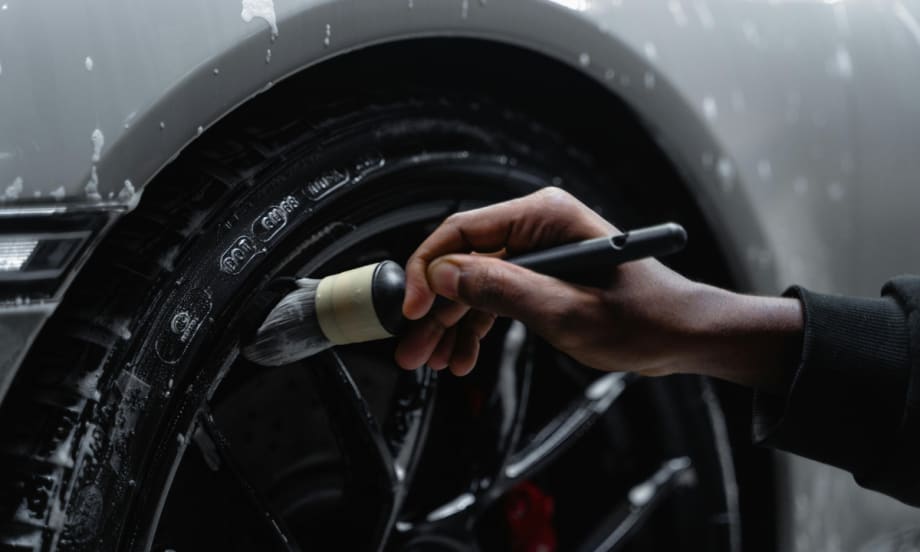
In the transition to warmer weather, it's crucial to check your vehicle’s tire pressure and brake pads in addition to cleaning efforts.
Photo: Tima Miroshnichenko via Pexels
4 min to read
While the frigid temperatures and gray skies of winter might seem endless, springtime is always just around the corner. And with warmer, sunny days on the horizon, the time is fast approaching for fleet managers to prepare their vehicles for the change in season.
Prepping vehicles for the icy winter months is a standard operating procedure for most fleet managers. But performing basic maintenance when the mercury starts rising is often overlooked — even though it can be equally as important. To help you prepare, here are five “spring cleaning” tips that can protect your fleet and drivers as they head into warmer weather.
1. Inspect Tires and Brakes
After the last snowfall of the season, it’s important to remove any snow tires or snow chains from your fleet vehicles. In fact, in some areas, taking this step is a legal requirement, with many states regulating when these can be used.
Removing winter accessories provides the perfect opportunity to check for signs of wear on a vehicle’s tires, as well as for issues with alignment. During these assessments, you should also check the PSI of all tires. Warmer temperatures can affect tire pressure, and if tires are overfull, temperature fluctuations can be hazardous for your drivers.
You should also take this time to perform a “health check” on vehicle brakes. Ensuring that brake pads have sufficient thickness and that brake lines aren’t damaged can go a long way in protecting your drivers on the road.
2. Prepare Windshield Wipers for April Showers
They're often overlooked, but windshield wipers should always be in good working condition, especially in the typically wet months of April and May.
Dull or defective wiper blades can dramatically reduce visibility, which poses a real danger to your drivers and others on the road. Fleet managers or drivers should double-check all windshield wipers at the start of spring to ensure they are able to clear the windshield in the event of a downpour or in the face of thick layers of pollen.
You might also consider stowing spare sets of blades in your fleet vehicles for your drivers to install if they notice any issues with visibility on the job.
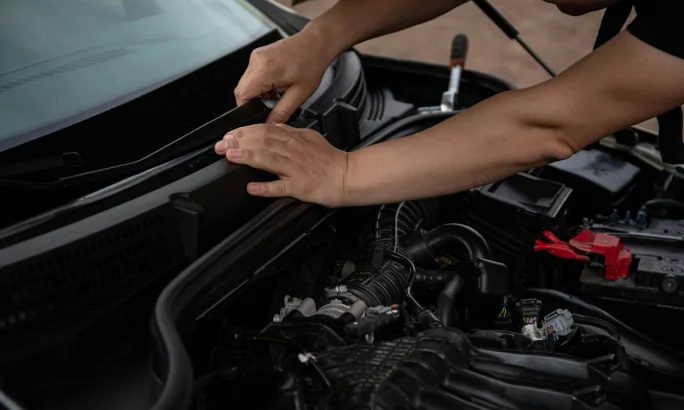
An easy step to check off your list is to check all of a vehicle’s wipers for proper function and visibility.
Photo: Sergey Meshkov via Pexels
3. Check for Unwanted Guests
Small animals like squirrels, mice, and rats are notorious for building nests within vehicles. Unfortunately, engine compartments, cabin filters, and the inside of the dashboard are perfect ready-made shelters from wind, snow, and sub-zero temperatures. Though some of these visitors are just looking for a refuge from the cold, many rodents can cause considerable damage to your vehicles by nibbling on wires or making nests in the engine block.
Your spring maintenance should require drivers to look under the hood and inside the glove boxes for evidence of rodent infestations. Common signs include nesting materials, droppings, chewed wires, or exposed fiber insulation.
4. Use Driver Vehicle Inspection Reports
Remember that driver safety doesn’t end with seasonal maintenance. Once your fleet is ready for spring and summer, have your drivers use Driver Vehicle Inspection Reports to identify potential issues before they cause real problems on the road.
Ideally, your drivers should inspect their vehicles daily and complete a report that assesses things like exterior lights, tires, windshield wipers, windows, and steering mechanisms to ensure they are in proper working order and free from defects or damage.
5. Revisit Driver Safety Protocols
Thanks to more drivers on the road, more construction projects, and more frequent tire blowouts, summer is the most dangerous time to be behind the wheel.
In addition to conducting spring maintenance on all your fleet vehicles, set aside some time to reacquaint your drivers with safe driving best practices. This should include a refresher on your company’s training and safety protocols, as well as a review of what they are expected to do in the event of an accident.
As the ice and gloom of winter begin to fade, don’t discount how hard the winter months can be on your fleet’s vehicles. Following these simple “spring cleaning” tips can help you optimize your fleet for the months ahead and ensure that your drivers are well-prepared to safely breeze through spring and summer.
Editor's Note: This article was originally published in February 2023 and was updated on April 2, 2025, for continued relevancy on fleet spring cleaning and maintenance.
Subscribe to Our Newsletter
More Maintenance

Sponsored•October 1, 2026
Fleet Manager’s Ultimate Playbook: Navigating the New Standard in OEM Connectivity
Rising operating costs, driver safety concerns, and unplanned downtime are putting unprecedented pressure on modern fleets. Discover how fleet managers use embedded OEM connectivity and real-time vehicle data to cut TCO, prevent downtime, and protect drivers without aftermarket telematics hardware.
Read More →
How Can Fleet Managers Tell Which Repairs Require Closer Review?
Fleetio’s Brianna Perry demonstrates how Service Advisor evaluates maintenance requests, identifies pricing anomalies, and provides the context fleet managers need to focus their attention on potential problems.
Read More →
Why Roadside Assistance Belongs in a Fleet Risk Strategy
Roadside assistance is more than a tow. See how the right partner can protect drivers, uncover fleet trends, and strengthen your risk strategy.
Read More →
Sponsored•August 7, 2026
Hidden in Plain Sight: Fleet Compliance Risks
Fleet compliance isn't just about having policies — it's about consistently enforcing them. This practical guide reveals six hidden compliance risks common in public sector and shared fleet operations and outlines proven strategies to improve visibility, accountability, and audit readiness
Read More →
How Maintenance Costs Compare Across 27 Fleet Vehicles
Vincentric’s three-year, 60,000-mile projections reveal wide differences for both scheduled and unscheduled maintenance among selected vehicle categories. Projected maintenance visits also play a factor.
Read More →
The EV Breakdown Nobody's Talking About: Why Most Electric Vehicle Roadside Calls Aren't Mechanical Failures
Here's why EV breakdowns are widely misunderstood.
Read More →
How Stellantis Plans to Get Ahead of Fleet Downtime
Keeping fleet vehicles on the road has become as important as buying them. Darren Bradshaw of Mopar North America explains how connected vehicle data, AI, and proactive service strategies are helping Stellantis reduce downtime and move closer to predictive maintenance.
Read More →
Merchants Fleet Expands Maintenance Network with Pep Boys
Merchants Fleet has expanded its relationship with Pep Boys, increasing the service provider's role within its national maintenance network. The move is intended to enhance maintenance coordination and support commercial fleets through Pep Boys' nationwide footprint.
Read More →
The Two Biggest Summer Downtime Threats for Fleets
A conversation with a maintenance expert reveals the two most common summer maintenance pains and how to prevent them.
Read More →
From Marine Corps Motor Pool to Managing 460 Fleet Vehicles
Cesar Ayala of O’Connell Landscape Maintenance shares how he transitioned from the Marine Corps to managing a 460-vehicle fleet—and the real-world challenges of maintenance, compliance, and driver management in California.
Read More →