




Labor, Parts, and Price: What’s Powering Fleet Maintenance Costs in 2025
Five quarters of data on the six most common maintenance activities reveal how cost composition and labor intensity influence fleet service trends.

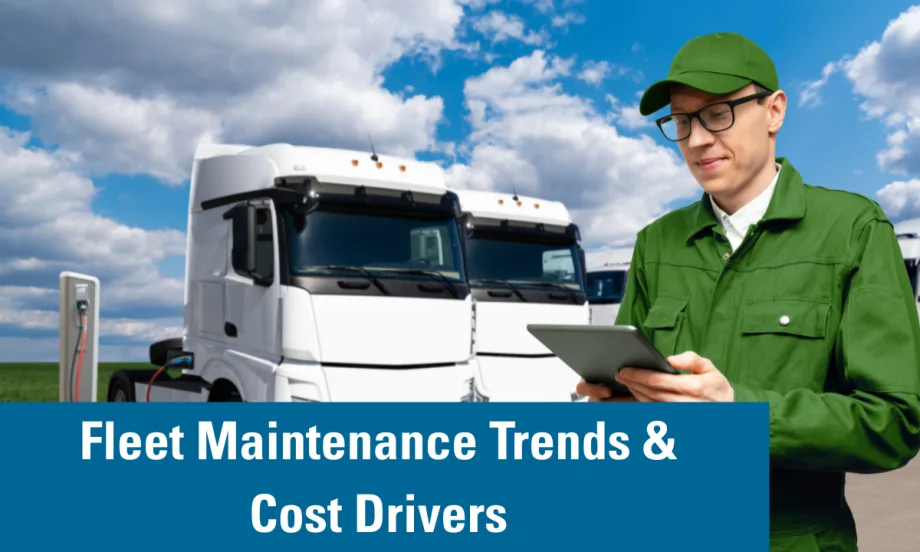
Data from Fleetio highlights the most common fleet maintenance services and their cost composition for 2024–2025. Tire replacements remain the most expensive, while towing and roadside assistance show the highest quarterly cost increases, driven largely by labor intensity.
Image: Automotive Fleet
Data from Fleetio highlights the most frequently performed fleet maintenance activities, highlighting key cost and labor patterns. The data covers these maintenance categories: DOT inspection, engine and air filter replacement, engine oil & filter replacement, fuel filter replacement, tire replacement, and towing/roadside assistance.
For these categories, costs have remained largely stable throughout the 2024–2025 period. However, key service categories continue to show meaningful variation in both cost structure and labor intensity. Tire replacement remains the most expensive routine service for fleets.
From a cost composition perspective, services can be categorized into labor-driven and parts-driven
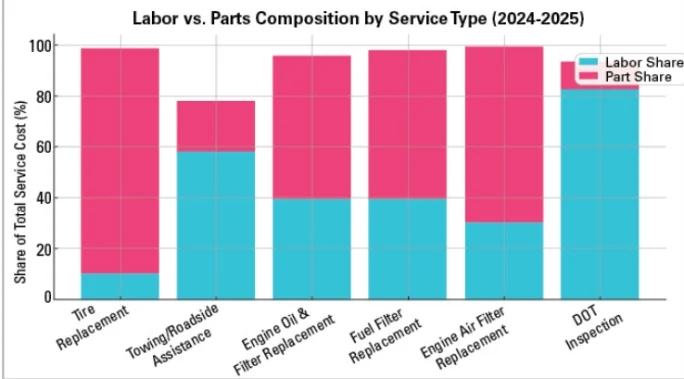
DOT inspections and towing are primarily labor driven, with labor accounting for more than 80% of the total cost. In contrast, tire replacement is about 90% parts, while oil and filter services maintain a balanced cost split between labor and materials.
Photo: Fleetio
categories. DOT inspections and towing are almost entirely labor-dependent — labor accounts for more than 80% of total cost — while tire replacement is about 90% parts, illustrating how materials, rather than time, drive cost increases.
Services such as oil and filter replacements fall in the middle, with a near-even split between parts and labor. This balance indicates efficiency gains from standardized processes; however, these categories still represent a significant portion of annual maintenance budgets due to their frequency.
Quarter-over-quarter comparisons reveal moderate volatility, with towing and roadside assistance showing the sharpest increases, averaging a 4.2% rise per quarter. That uptick aligns with inflationary trends in field labor and rising dispatch costs. By contrast, DOT inspections and engine oil changes have seen minimal movement, underscoring the relative predictability of standardized preventive maintenance tasks.
Together, these patterns suggest that fleets will continue to manage a dual challenge: inflation in parts-intensive categories and time-based labor costs in service-heavy ones.
Average Quarter-over-Quarter Change in Service Cost (2024-2025)
Service Type | Avg. QoQ Change (%) |
Towing/Roadside Assistance | 4.2 |
Tire Replacement | 0.9 |
Engine Air Filter Replacement | 0.0 |
Fuel Filter Replacement | -1.6 |
Engine Oil & Filter Replacement | -1.9 |
DOT Inspection | 2.4 |
Average Labor Time per Service Type (2024-2025)
Service Type | Avg. LaborTime (Minutes) |
Towing/Roadside Assistance | 132.1 |
Engine Oil & Filter Replacement | 80.9 |
Tire Replacement | 67.0 |
DOT Inspection | 64.4 |
Fuel Filter Replacement | 45.3 |
Engine Air Filter Replacement | 24.5 |
All tables sourced from Fleetio.
More Maintenance

Fleet Manager’s Ultimate Playbook: Navigating the New Standard in OEM Connectivity
Rising operating costs, driver safety concerns, and unplanned downtime are putting unprecedented pressure on modern fleets. Discover how fleet managers use embedded OEM connectivity and real-time vehicle data to cut TCO, prevent downtime, and protect drivers without aftermarket telematics hardware.
Read More →
How Can Fleet Managers Tell Which Repairs Require Closer Review?
Fleetio’s Brianna Perry demonstrates how Service Advisor evaluates maintenance requests, identifies pricing anomalies, and provides the context fleet managers need to focus their attention on potential problems.
Read More →
Why Roadside Assistance Belongs in a Fleet Risk Strategy
Roadside assistance is more than a tow. See how the right partner can protect drivers, uncover fleet trends, and strengthen your risk strategy.
Read More →
Hidden in Plain Sight: Fleet Compliance Risks
Fleet compliance isn't just about having policies — it's about consistently enforcing them. This practical guide reveals six hidden compliance risks common in public sector and shared fleet operations and outlines proven strategies to improve visibility, accountability, and audit readiness
Read More →
How Maintenance Costs Compare Across 27 Fleet Vehicles
Vincentric’s three-year, 60,000-mile projections reveal wide differences for both scheduled and unscheduled maintenance among selected vehicle categories. Projected maintenance visits also play a factor.
Read More →
The EV Breakdown Nobody's Talking About: Why Most Electric Vehicle Roadside Calls Aren't Mechanical Failures
Here's why EV breakdowns are widely misunderstood.
Read More →
How Stellantis Plans to Get Ahead of Fleet Downtime
Keeping fleet vehicles on the road has become as important as buying them. Darren Bradshaw of Mopar North America explains how connected vehicle data, AI, and proactive service strategies are helping Stellantis reduce downtime and move closer to predictive maintenance.
Read More →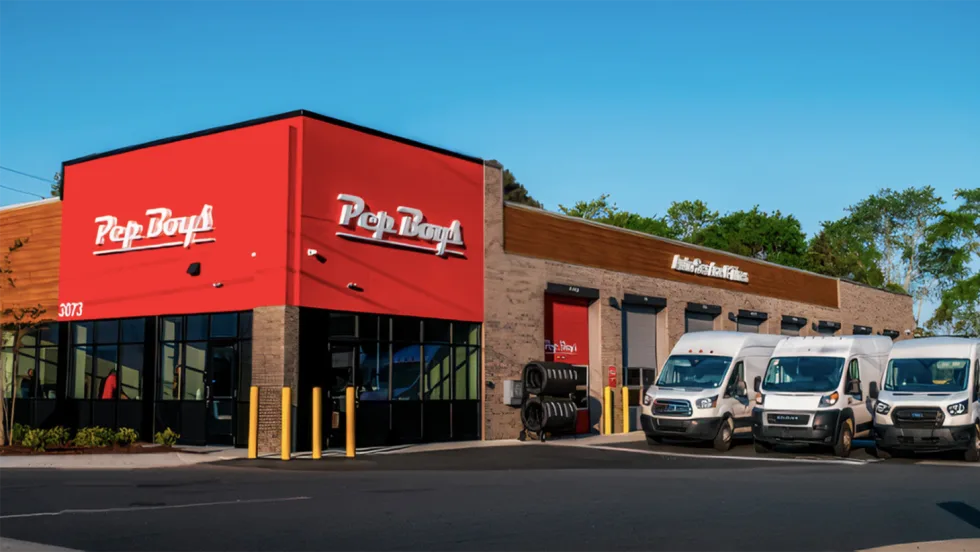
Merchants Fleet Expands Maintenance Network with Pep Boys
Merchants Fleet has expanded its relationship with Pep Boys, increasing the service provider's role within its national maintenance network. The move is intended to enhance maintenance coordination and support commercial fleets through Pep Boys' nationwide footprint.
Read More →
The Two Biggest Summer Downtime Threats for Fleets
A conversation with a maintenance expert reveals the two most common summer maintenance pains and how to prevent them.
Read More →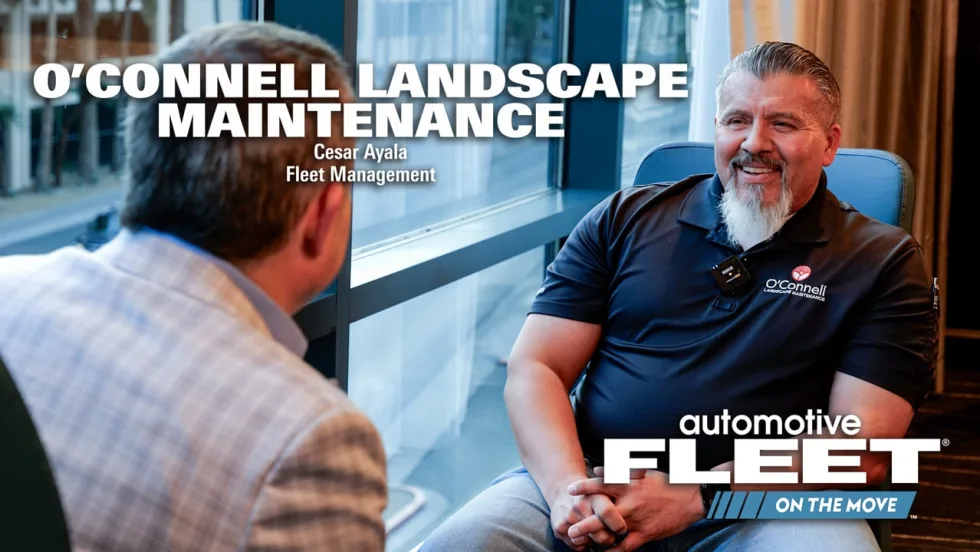
From Marine Corps Motor Pool to Managing 460 Fleet Vehicles
Cesar Ayala of O’Connell Landscape Maintenance shares how he transitioned from the Marine Corps to managing a 460-vehicle fleet—and the real-world challenges of maintenance, compliance, and driver management in California.
Read More →