




Top Tips to Stay Safe & Prepared for Winter Driving
How can fleet drivers make sure they’re ready for anything this winter season? We rounded up the best advice from experts.

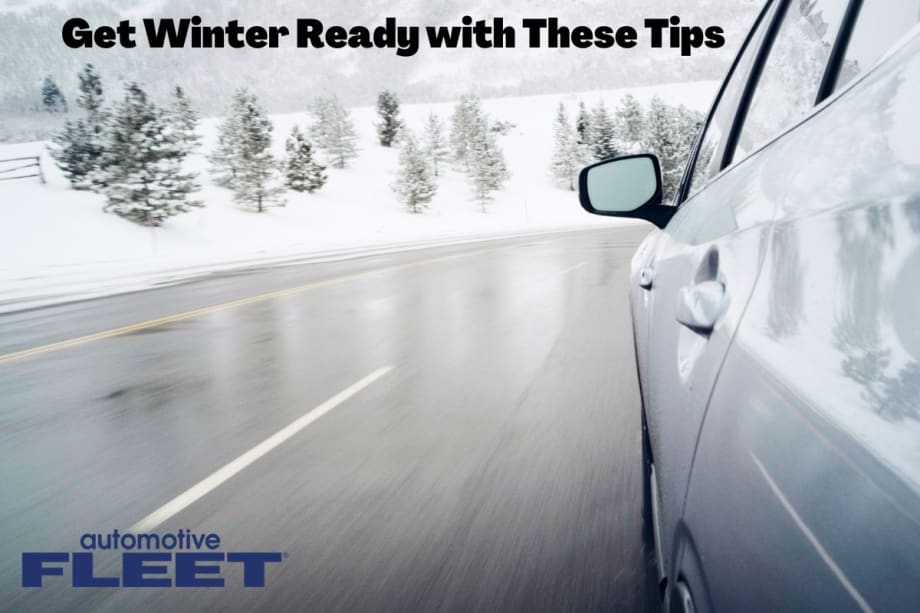
About 155,000 vehicle crashes occur annually in the U.S. due to icy roads and over 70% of U.S. roads are in snowy regions, according to the Federal Highway Administration.
Photo: Canva
Don’t wait for those first flakes to get ready for snow season! All fleet vehicles and drivers should be ready for anything before the season even starts. To get you winter-ready, Automotive Fleet compiled best practice tips from the best-of posts from our archives.
Complete Thorough Inspections Before the Season Starts
Begin winter prep before it’s too late! Here’s what you’ll want to include in your inspection checklist:
Check the battery and tighten cables if needed.
Top off fluid levels.
Add antifreeze.
Wipe off headlight covers.
Test all exterior lights.
Check the brakes and tires.
Monitor mudflaps.
Repair chipped windshields.
Watch for any corrosion.
Prep the Tires
Switch over to snow tires or at least check the tread levels and pressure on the ones you’ve got. Remember: For every 10 degrees the temperature drops, tire pressure goes down 1 pound per square inch. Some fleets “sipe” their tires, meaning cutting small slits in the tread block to provide better grip. Don’t forget to make sure your spare tire is ready, too.
Prepare the Vehicle Before Every Trip
Make sure all windows, mirrors, and license plates are cleared of snow before driving off. Keep your fuel tank at least half full to prevent fuel line freeze-ups. About once a month, check that your tires are in good shape and washer fluid, oil, engine coolant, and antifreeze are at the recommended level.
Check the weather report and road conditions so you know what to expect or replan your route.
Get Regular Washes
Ain’t nobody got time for corrosion; wash your vehicles frequently, including the undercarriage and inside wheel wells, to keep salt and other chemicals from seeping in.
Practice Safe Driving
No one should ever drive distracted or impaired, but it’s even more important to be alert in snowy and icy conditions. AAA warns that it can take your car 10 times longer to stop completely on snowy roads. And, the Weather Channel says that slushy or snowy pavement causes a 30% to 40% speed reduction on major roads.
Buckle up, watch out for black ice, use your headlights, slow down, avoid distractions, be extra cautious around curves, don’t rely on cruise control, use more following and stopping distance, and never slam on the brakes or accelerate if you begin skidding. If conditions become a whiteout, pull over rather than risking an accident and wait for conditions to clear up.
If you’re fully stopped and struggling to move, tap the gas repeatedly to get a rocking motion going and push forward, the website Porch advises.
Additionally, always give snowplows extra room on the road.
Pack an Emergency Car Kit
Be prepared for any car issues by having everything on hand should you become stranded or can’t find help. What should you include in your car kit? Pack these items:
A shovel.
Litter or salt.
Tire gauge.
A knife and other tools.
Flares.
Ice scraper.
Flashlight and extra batteries.
Phone charger.
Jumper cables.
Rope.
Lock de-icer.
Matchsticks or a lighter.
First aid kit.
A blanket.
Extra warm clothes and handwarmers.
Food and water.
Tips for Electric Vehicles
In the cold, batteries can charge slower and range can be reduced, so planning ahead is imperative. In fact, AAA ran a test, which concluded that 20-degree weather could reduce range by 10-12%. Avoid harsh acceleration and braking to maximize battery range, and use “Eco” or “L” modes to increase regenerative braking and recover additional energy from the battery.
Consider preconditioning to warm up the cabin and defrost windows, especially if it’s conducted while the vehicle is still plugged in. And park inside whenever possible.
More Resources
Want to dig even deeper? Here’s a collection of even more helpful winter weather stories from the Automotive Fleet site.
Bonus from Work Truck: How to Improve EV Battery Performance in Cold Weather
More Safety

Fleet Manager’s Ultimate Playbook: Navigating the New Standard in OEM Connectivity
Rising operating costs, driver safety concerns, and unplanned downtime are putting unprecedented pressure on modern fleets. Discover how fleet managers use embedded OEM connectivity and real-time vehicle data to cut TCO, prevent downtime, and protect drivers without aftermarket telematics hardware.
Read More →
From Driver Well-Being to EV Charging | AF News Recap
Mental health belongs in the fleet safety conversation. This week, we’re looking at five ways fleets can support employee well-being before a crisis, plus Holman’s expansion in Mexico, new one-day Fleet Forward passes, and why EV charging demand is outpacing infrastructure growth.
Read More →
Nexar-Nauto Merger Aims to Give Fleets Better Safety Intelligence Through Larger Driving Dataset
Stefan Heck tells Automotive Fleet that combining more than 10 billion miles of driving history with Nexar's AI models will give fleets deeper insights into driver risk and roadway conditions than either company could provide independently.
Read More →
Don't Wait for a Crisis: 5 Ways to Build Mental Health Into Your Fleet Safety Program
For Suicide Prevention Month, fleet and safety leaders have an opportunity to put mental health where it belongs: at the center of workplace safety.
Read More →
How Camera Data Can Strengthen a Fleet’s Insurance Renewal
Insights from a commercial insurance carrier and a broker show how fleets can turn video telematic data, driver coaching, and improved claims results into a stronger case at insurance renewal.
Read More →
The Safest Fleets Aren’t the Ones with the Most Technology
You’ve made the telematics investment. Here’s how to capture the other half of its value and build the safest fleet on the road.
Read More →
Hidden in Plain Sight: Fleet Compliance Risks
Fleet compliance isn't just about having policies — it's about consistently enforcing them. This practical guide reveals six hidden compliance risks common in public sector and shared fleet operations and outlines proven strategies to improve visibility, accountability, and audit readiness
Read More →
NETS Sets 2026 Fleet Safety Benchmark Conference for Indianapolis
The Sept. 15–17 program will feature fleet benchmarking data, case studies, emerging technologies, and implementation strategies while running alongside the NSC Safety Congress & Expo.
Read More →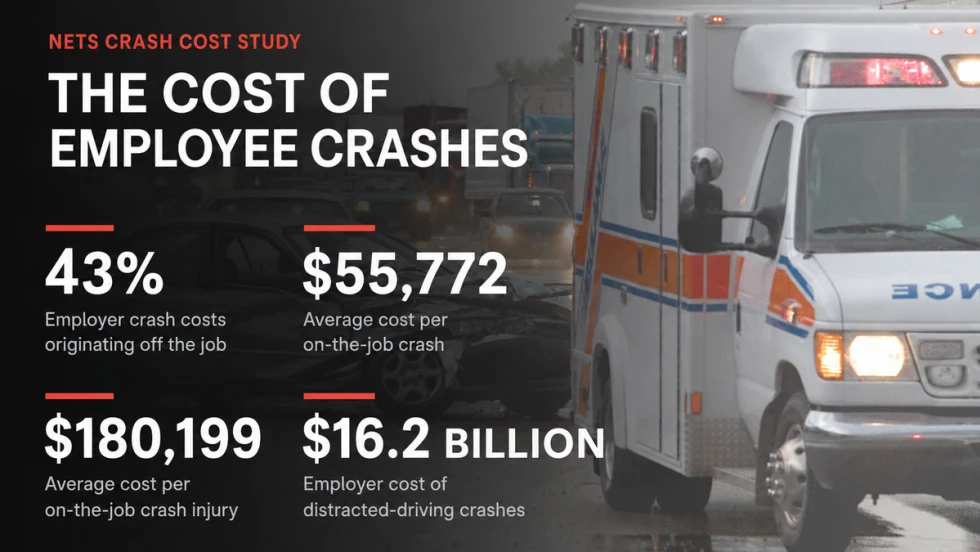
Off-the-Job Crashes Account for 43% of Employers’ $61.7 Billion Crash Burden
NETS quantifies costs dispersed across fleet, risk, HR, and other departments while providing new per-crash benchmarks for employers.
Read More →
Ram Recalls More Than 1.27 Million 1500 Pickups for Seat Belt Anchor Issue
The recall affects certain 2019-2026 Ram 1500 pickups that may have improperly attached second-row seat belt buckle anchors.
Read More →