




Smallest State Gears Up for Big Transportation Impacts
Ocean State Clean Cities Coalition is working with fleets throughout Rhode Island to accelerate the use of alternative fuels.
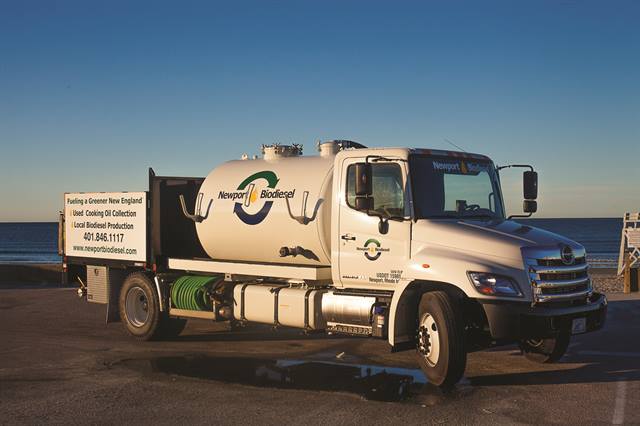
Newport Biodiesel produces fuel from waste vegetable oil collected from more than 1,700 restaurant partners in the New England area.
With a total area of just over 1,200 square miles, Rhode Island’s compact geography presents some unique opportunities for the Ocean State to go big in the deployment of alternative fuels and advanced vehicles.
“Rhode Island may be small, but we have the second-highest population density in the country, so fueling infrastructure projects can have substantial impacts in the local market,” said Wendy Lucht, coordinator of Ocean State Clean Cities Coalition (OSCCC).
From its headquarters at the University of Rhode Island, the coalition works with fleets and other stakeholders to cut petroleum use across the state.
The OSCCC recently collaborated with the Rhode Island Office of Energy Resources and other partners on an American Recovery and Reinvestment Act project to install 50 electric-vehicle charging stations, effectively providing access to free charging for all 1 million Rhode Islanders.
Harnessing Sustainable Potential
Seeking to harness Rhode Island’s potential, Gov. Lincoln Chafee recently launched an initiative to lead by example, aggressively transitioning the state fleet away from conventional vehicles and fuels. The OSCCC is part of the working group that’s guiding the effort, convened by the Rhode Island Office of Energy Resources.
In February, the state issued a request for proposal (RFP) for a master price contract for B-20 biodiesel. Once in place, the contract will lock in biodiesel prices, not only for state vehicles, but also for fleets operated by municipalities and quasi-state agencies, such as the Rhode Island Public Transit Authority and T. F. Green Airport.
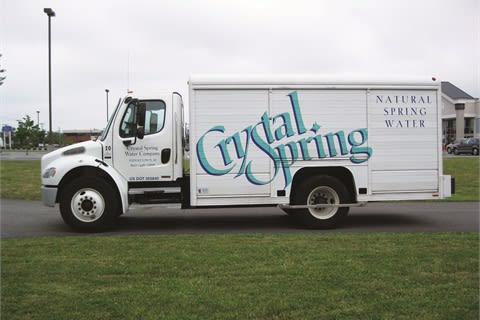
Biodiesel is proving popular in Rhode Island among large and small fleets alike. Crystal Spring Water Company uses about 300 gallons of B-20 per week to fuel its six delivery trucks.
Biodiesel is growing in popularity among fleets throughout Rhode Island. Newport Biodiesel, a waste-grease recycler and OSCCC member, produced 1.2 million gallons of biodiesel in 2013, of which 573,000 gallons were sold as vehicle fuel.
Even for smaller fleets, biodiesel use is proving to be an attractive and affordable way to cut lifecycle greenhouse gas emissions. Crystal Spring Water Company of Middletown, R.I., operates six delivery trucks and uses about 300 gallons of B-20 every week.
“The fleets that get involved with OSCCC are making a tangible difference in terms of mitigating the environmental effects of transportation,” Lucht said.
More Green Fleet
New Propane Autogas Program Offers Fleet Compensation
Qualified commercial fleets can receive $7,500 per eligible propane autogas vehicle and up to $10,000 for new refueling site prep. Learn how the program works and see whether your fleet qualifies.
Read More →
EV Charging Use Is Outpacing Infrastructure Growth
ChargePoint’s 2026 Charging Forward Report points to rising charger use, higher-powered charging, commercial vehicle electrification, and energy-management technology. Here’s what fleets should know.
Read More →
Merchants Fleet Reports 290M EV Miles as Fleets Navigate Changing Electrification Market
From millions in operating savings to hundreds of millions of EV miles, Merchants Fleet’s latest report reveals what’s working and what’s changing in fleet electrification.
Read More →

The EV Breakdown Nobody's Talking About: Why Most Electric Vehicle Roadside Calls Aren't Mechanical Failures
Here's why EV breakdowns are widely misunderstood.
Read More →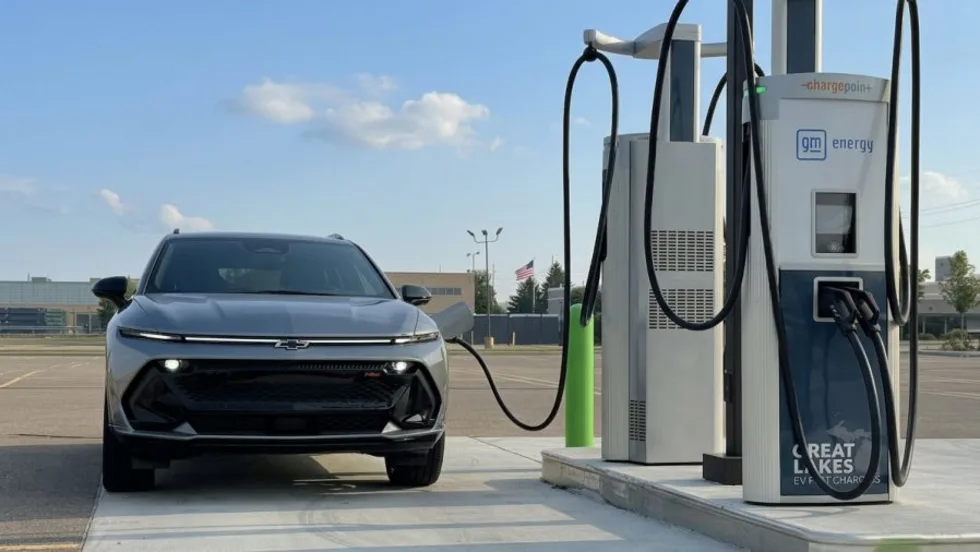
ChargePoint Now Available in Energy Pass
ChargePoint and additional planned charging network integrations were added to GM's Energy Pass.
Read More →

First Look: Slate Auto's Electric Fleet Pickup
Could an affordable, modular EV pickup make electrification more practical for fleets?
Read More →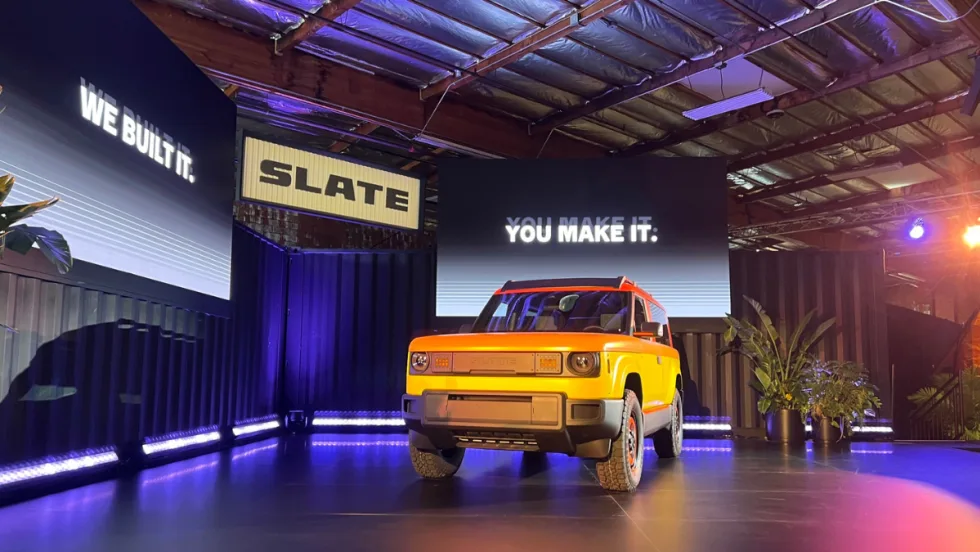
Slate Debuts Colorful, Unique EV Models
A recent media and client event, studded with electric vehicles dressed up on platforms, planted a new position for the manufacturer in the wider EV market. Fleets will find cost-saving advantages.
Read More →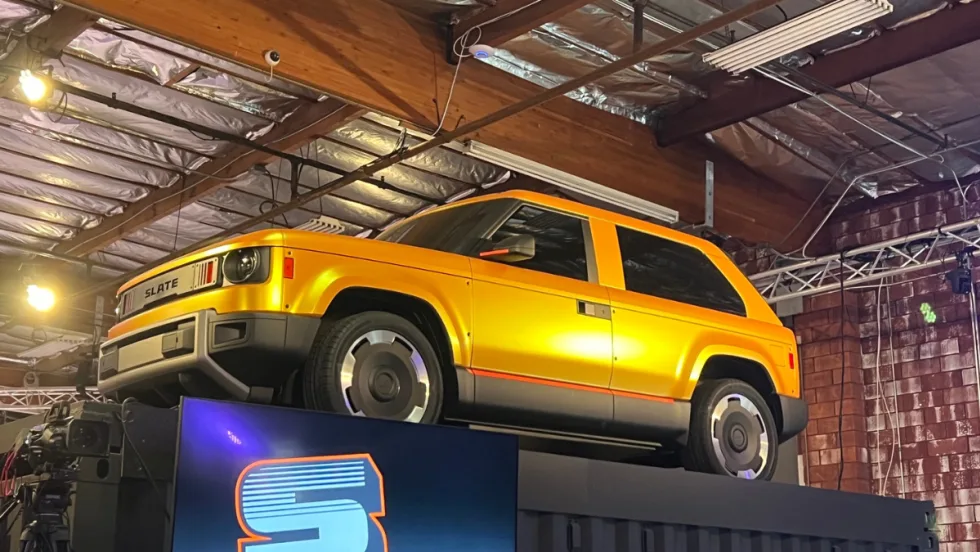
Slate Electric SUV, Pickup Switchable Model Aims For Light-Duty Fleets
Everything about this EV is counterintuitive and understated, making it stand out from the crowd.
Read More →
Inspiration Mobility Acquires Key Electrada Assets
Inspiration Mobility Group has acquired select assets of Electrada, adding the fleet electrification provider's team, technology, and charging infrastructure development capabilities to its energy management business.
Read More →