




Setting Fuel Card Controls to Prevent Theft
Fuel fraud has been on the rise since the onset of the pandemic. Setting robust controls for your fuel cards is an important step to preventing theft from stolen cards or drivers themselves.
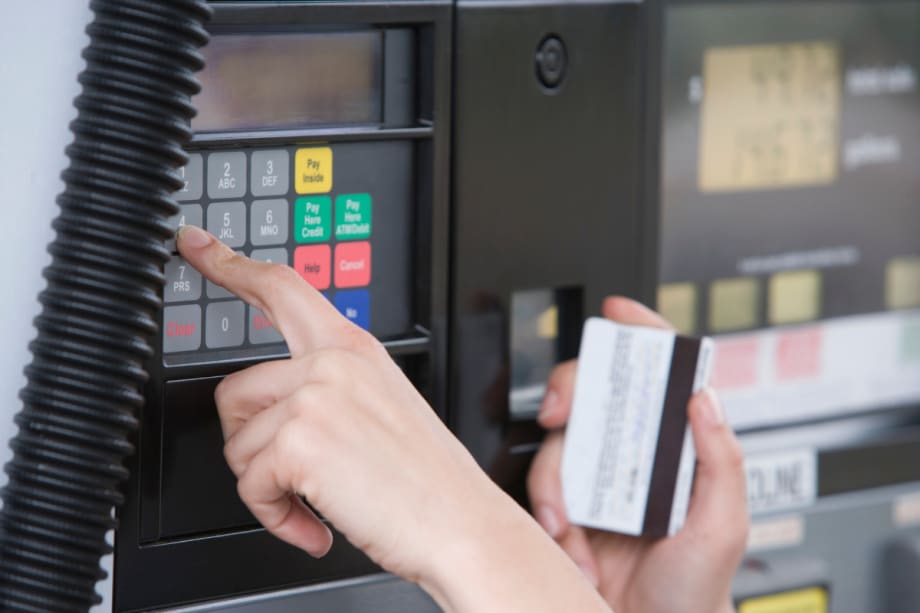
Keeping fuel card transactions safe is a multi-step process.
Photo: Canva
Fuel cards make it easy for drivers to pay at the pump and for fleet managers to monitor purchases. Like any other purchasing card, they can also be subject to fraud and misuse.
Fuel fraud comes in many forms, from card skimmers or use of a stolen card to an employee using a fuel card to purchase fuel for his or her personal vehicle or a friend’s or purchasing unauthorized merchandise at the convenience store.
Keeping fuel card transactions safe is a multi-step process, which includes setting a fuel card policy and training drivers. Another important step is to set controls on the use of the card itself.
“Strong controls will not only ensure spend is within the card policy guidelines, but will limit fraud exposure as well,” says Cheryl Garcia, senior vice president for government transportation at U.S. Bank.
Garcia says controls can be configured for specific vehicle or driver types or groups within a fleet. For example, based upon the type of vehicle, tank capacity, fuel efficiency, and number of hours of vehicle usage each day, there is a maximum expected usage that can help you determine the exact controls to protect your fleet.
Bernie Kavanagh, SVP/GM, large fleet & strategic relationships at WEX, Kavanagh underscores that while “controls” may sound stringent, fleets can adapt them as needed.
“We recommend knowing your fleet and being flexible,” he says. “Different vehicle types have different needs. It is important to look at the job duty the employee or vehicle might be performing for a particular department or agency,” he said.
Kavanagh said it’s important to keep in mind that seasonal needs may change purchasing behavior, so it’s wise to have a policy and notification process for drivers who may need to have their purchasing permissions changed from time to time.
Fuel Card Controls to Set and Monitor
Work with your fuel card provider to make sure you’ve got these controls in place based on your parameters:
1. Location
Setting which states or ZIP codes in which cards can or can’t be used helps prevent fraud, since skimmers often use captured card information to make purchases outside of the fleet’s area of service.
2. Time of Day/Day of Week
Establishing parameters for what days and/or times cards can be used limits card usage to typical business hours, which can prevent fraud as well as off-hour usage of fleet cards for personal use.
3. Spending Limits
Putting limits on the amount that can be charged to a card per day or week helps limit the number of transactions and transaction totals to an appropriate number/amount for typical fleet usage, again limiting excessive spending and exposure to fraud and misuse.
4. Merchant Type
Establishing locations where cards can be used prevents unauthorized purchases and makes it such that a card is declined at merchants not on the list.
5. Fuel Grade
Limiting which types of fuel drivers can purchase prevents them from spending more on premium fuel.
6. Tank Capacity
Aligning the amount of fuel that can be purchased with a vehicle’s tank capacity helps prevents drivers from fueling non-fleet vehicles or filling additional tanks.
7. Fuel Only
Restricting purchases to fuel alone prevents drivers from buying unauthorized merchandise.
8. Pay-at-Pump Only
When drivers must pay at the fuel island, they can’t add on unauthorized purchases.
This article is a condensed version of “How to Ensure Secure Fuel Card Transactions.”
More Fuel
Fuel Prices Surge in September | September Fuel Update
September brought major fuel price swings, including diesel crossing $6 a gallon. Here’s how gas and diesel prices changed throughout the month, and where they stood heading into October.
Read More →
Turning Fleet Payment Data into Executive Insights
Ramel Lindsay of U.S. Bank Voyager discusses how fleets can transform payment and transaction data into actionable intelligence to reduce costs, improve oversight, and support executive decision-making.
Read More →
Why the IRS Raised Its Mileage Rate in the Middle of 2026
Fuel-price volatility drove the rare increase to 76 cents per mile, the fifth midyear adjustment since 2000.
Read More →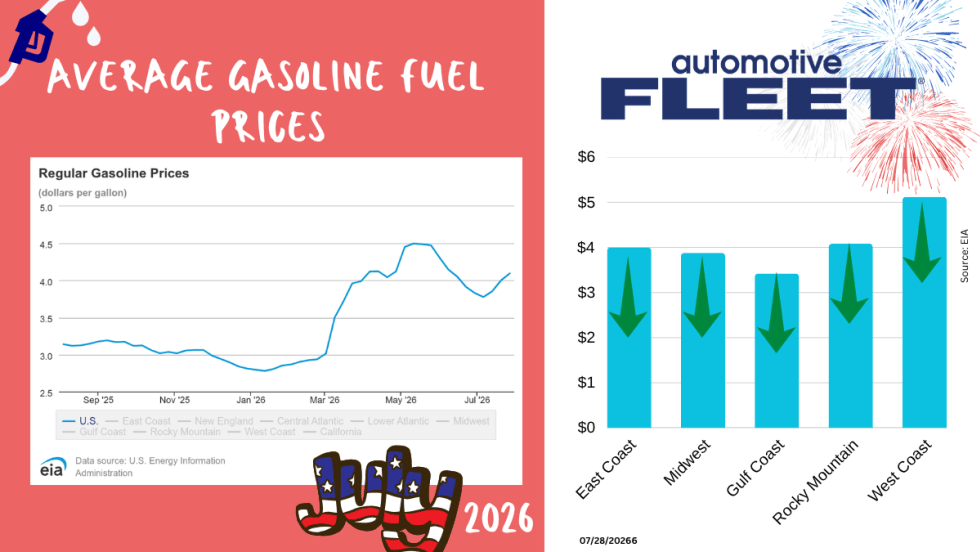
July Fuel Update: Prices Keep Rising in Light of More Conflict
Gas prices continue to rise as more and more conflicts do, too.
Read More →
Bob Adamsky on Fuel Volatility: "Don't Panic, Have a Plan."
When it comes to up and down fuel prices, Adamsky has a message for fleets: “Don’t panic.”
Read More →
How Fleets Can Gain Control of Non-Fuel Spend
Fuel often gets the spotlight, but non-fuel expenses can have a major impact on fleet costs. Ramel Lindsay of U.S. Bank Voyager discusses how fleets can gain better visibility and control over these often-overlooked expenditures.
Read More →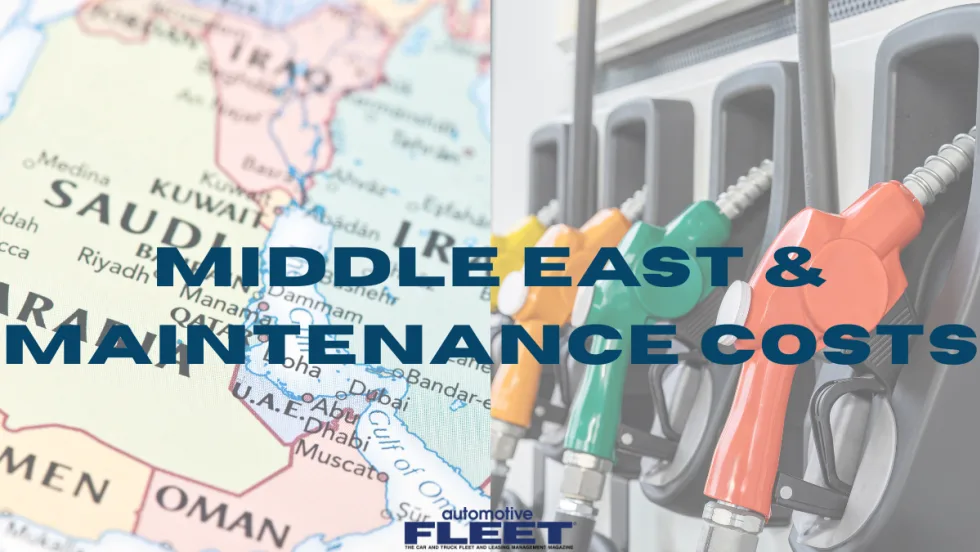
Fuel is Just the Start: How Middle East Tensions are Driving Up Fleet Maintenance Costs
The Middle East conflict is doing more than pushing up fuel prices. It’s also raising the cost of key maintenance products your fleet depends on, from motor oil to tires to windshield wipers. Here’s what you need to know about this budget-busting situation.
Read More →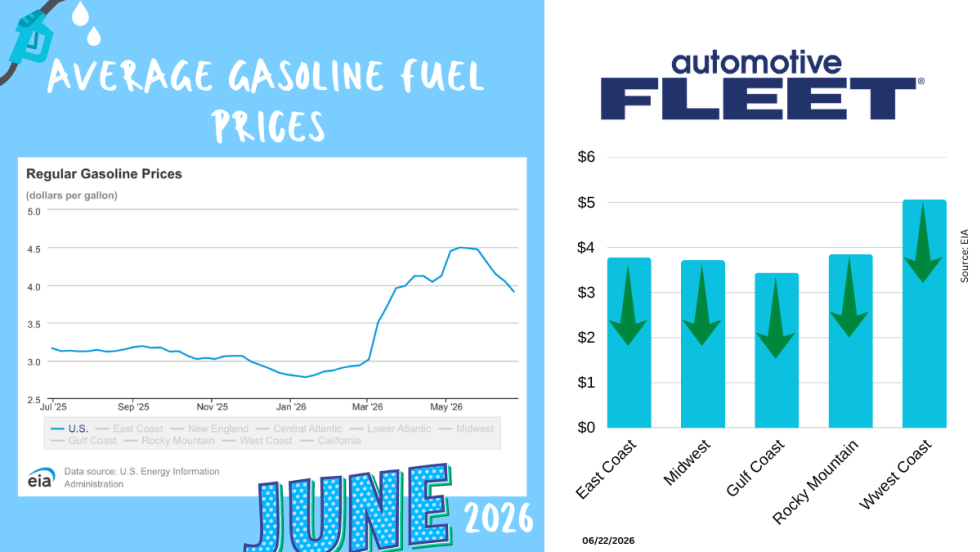
June Fuel Update: Prices Fall Below $4
Drivers are finally getting some relief at the pump. The national average gas price has dropped below $4 a gallon for the first time in months, with prices falling in 47 states as oil markets react to developments in U.S.-Iran negotiations.
Read More →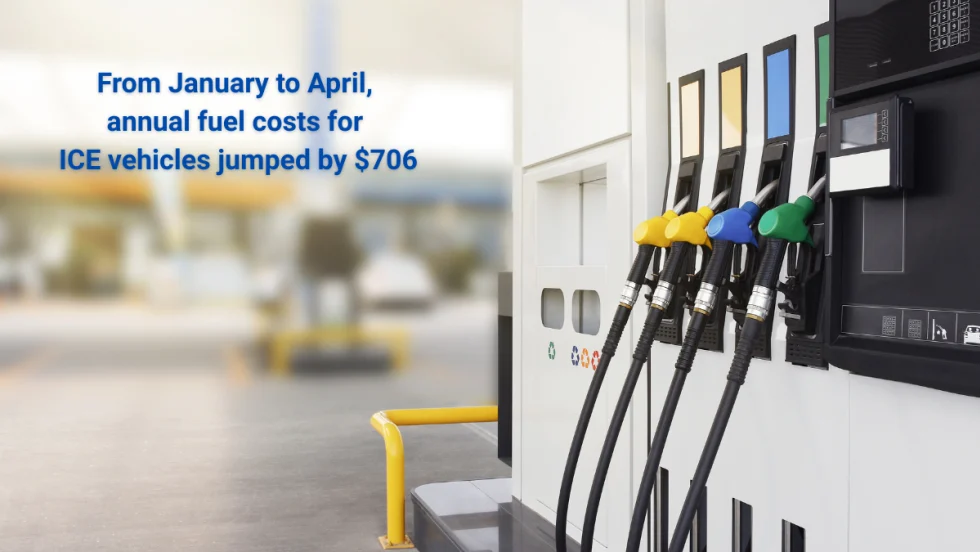
Study: How 2026's Gas Price Hikes Affect Different Vehicle Types
New data from iSeeCars reveals how rising fuel costs have affected different vehicle segments as gasoline prices climbed nearly 46% over the past four months.
Read More →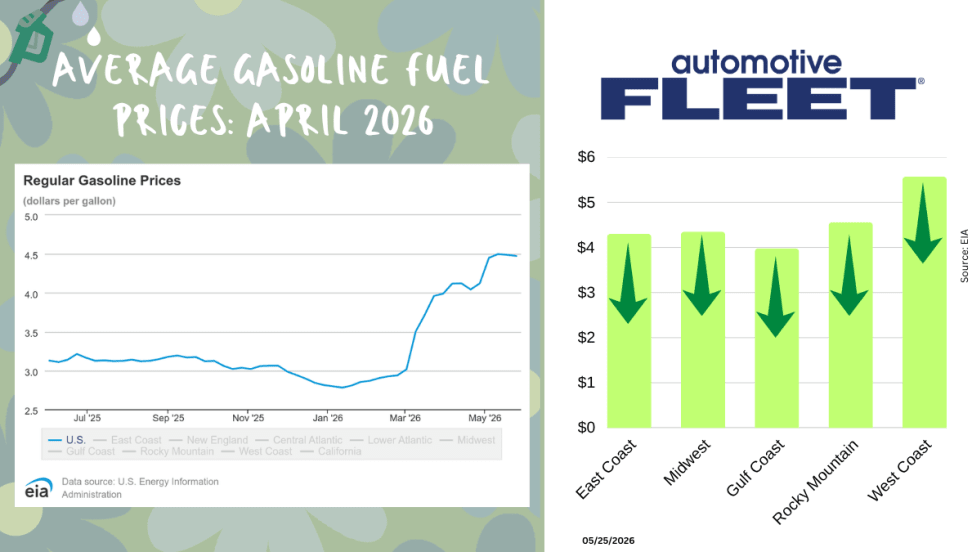
May Fuel Update: All Regions Experience Declines
Gas prices are finally easing in much of the country, but experts warn global tensions could quickly reverse the trend as the national average remains well above last month’s levels.
Read More →