




Sausage Supplier Saves 50% on Fuel Switching to Propane
Propane autogas was an easy transition for this meat delivery fleet, which already had an onsite propane tank for building power and was able to secure a grant to cover 70% of the conversion cost.

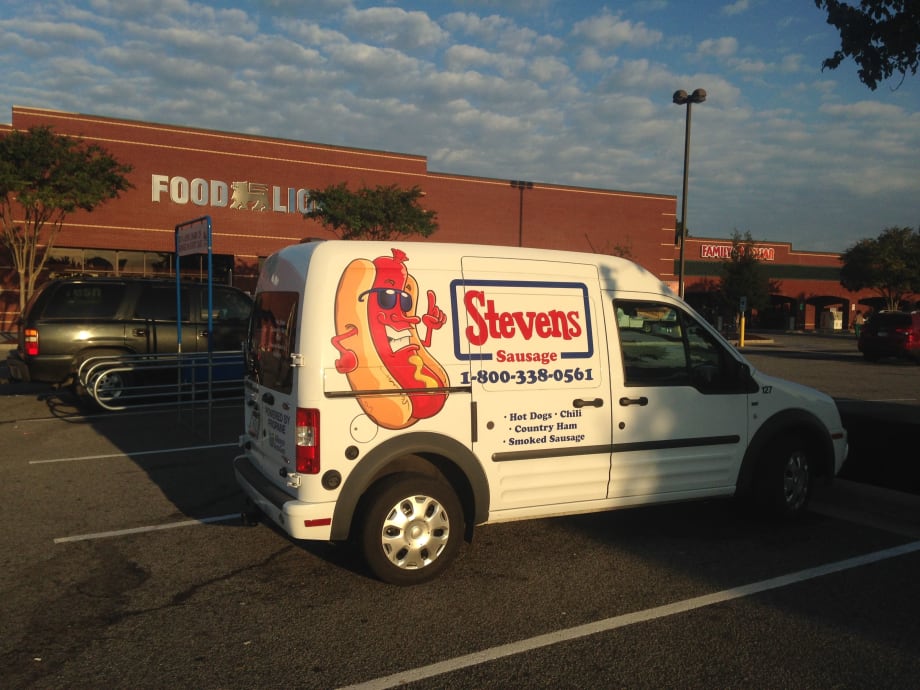
One of Stevens Sausage's propane-powered Ford Transit Connect vans.The vans can get over 21 miles per gallon on propane autogas.
One of Stevens Sausage's propane-powered Ford Transit Connect vans.The vans can get over 21 miles per gallon on propane autogas.
Tim Stevens wanted to find an alternative fuel option for his diesel vehicles, which used around 700 gallons of diesel per week. After he did some research, propane autogas seemed like the best fit, especially because Stevens Sausage already used propane in its manufacturing process.
“We were already familiar with propane as far as powering generators and boilers,” says Stevens, president of Stevens Sausage. “After doing some research, we discovered propane autogas would not only be an easy transition, it would also fit our vehicle needs with less maintenance, reduced fuel costs and low installation costs.”
Founded in 1948, Stevens Sausage is a supplier of meat products (sausage, ham, hot dogs, etc.) in eastern North Carolina that delivers to grocery stores and restaurants in more than 10 states east of the Mississippi. Made up of 13 vans and trucks, Stevens Sausage’s fleet includes Ford F-650s, Ford Transit Connects, Silverado pickups, a GMC Sierra pickup and a Chevrolet Colorado pickup.
Currently, all of Stevens Sausage’s fleet vehicles run on bi-fuel propane autogas engines. For refueling, a single propane dispenser was installed off of its existing 12,000-gallon propane tank.
Conversion Process
While researching propane autogas, Stevens attended Triangle Clean Cities Coalition meetings and started networking with other companies who were also interested in converting to alternative fuels.
A Clean Fuel Advanced Technology grant helped offset a majority of the upfront costs including purchasing new vehicles and installing the bi-fuel engines. “The grant money helped cover 70% of the conversion cost,” says Stevens.
Switching his fleet to propane has been about a two-year process for Stevens.
After purchasing new vehicles from Capital Ford in Raleigh, ICOM North America sent out technicians to install propane bi-fuel conversion kits on each of the trucks and vans. According to Stevens, a technician could install the conversion kit in one day — the hardest part was getting the propane tanks onto the truck beds.
“A bi-fuel engine is like having two fuel systems,” says Stevens. “The vehicle starts on gasoline but usually switches to propane within seconds. We don’t have to use gasoline too often, but it’s nice to have it on a few of our routes where the propane will run out.”
Because the company’s facility already had a large propane tank onsite, Stevens’ local propane retailer was able to install a single refueling dispenser to the existing tank. With help from ICOM, the drivers were trained on how to safely refill the vehicles with the propane dispenser and how to work the propane fuel gauge.
Fuel Savings
Covering a service area of about 200 miles per day, each fleet vehicle averages around 45,000 miles per year. In the last year, the fleet has used over 60,000 gallons of propane autogas, according to Stevens.
“We use about 1,200 to 1,300 gallons of propane autogas a week and see about a 50% savings on fuel,” says Stevens. “The cost savings really add up.”
“Propane isn’t for everyone,” adds Stevens. “You need the right situation. For us, we already had a large propane tank onsite. And all of our vehicles come back to our facility each day, so we can use the tank to refill daily.”
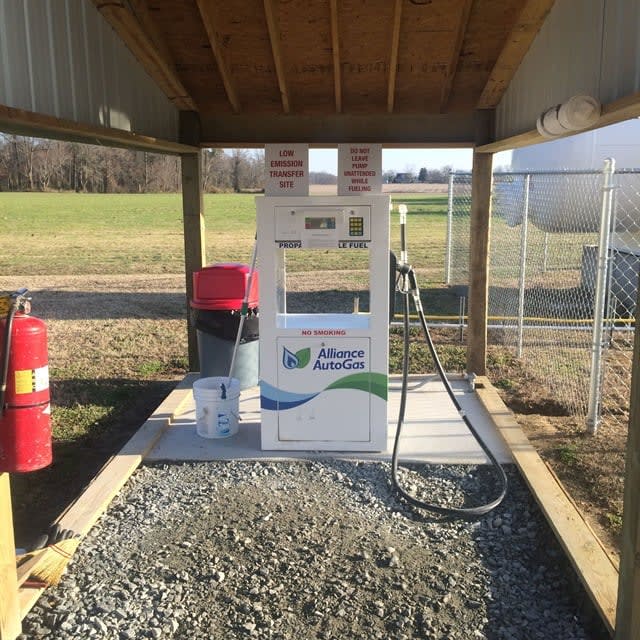
A single propane dispenser was installed off of the company's existing 12,000-gallon propane tank.
Originally posted on Work Truck Online
More Global Fleet

Holman Takes Full Ownership of ARIZA in Mexico
Holman is bringing its Mexican fleet management operation fully under its own brand after more than 30 years as a joint venture. The change gives multinational fleet customers a single Holman operation across the U.S., Canada, and Mexico.
Read More →
Proven Ways to Reduce Work Truck Downtime
The age-old problem of downtime will always be a reality, but with new strategies at hand, fleets have more ways to keep trucks on the road longer.
Read More →
The Top 300 Commercial Fleets
The Top 300 Commercial Fleets: See the List
Read More →


Cameras, Safety and Insurance: From Reactive Claims to Real-Time Prevention (Part 2 of 2)
Part Two: Commercial auto remains one of the most challenging and costly lines of coverage for fleet operators and insurers alike. Continue learning more about how to effectively address these issues from Onur Aksan, Enterprise Business Development Executive, Geotab
Read More →
Cameras, Safety and Insurance: From Reactive Claims to Real-time Prevention
Commercial auto remains one of the most challenging and costly lines of coverage for fleet operators and insurers alike. Learn more about how to effectively address these issues from Onur Aksan, Enterprise Business Development Executive, Geotab.
Read More →
Fleet Costs Are Rising: Here’s How Leaders Are Responding
Fleet leaders are under pressure to reduce costs, adapt to economic uncertainty, and make smarter decisions. See how peers across North America are responding with real data, proven strategies, and forward-looking insights. Download the 2026 Market Pulse Report to benchmark your strategy and uncover where you can gain an edge.
Read More →
Enterprise Fleet Management Surpasses 900,000 Vehicles in U.S. & Canada
Enterprise Mobility connects with mobility solutions around the globe
Read More →
Automotive Fleet's Guide to Fleet Electrification
Unlock the secrets to a successful transition to electric fleets with Automotive Fleet's comprehensive Fleet Electrification Guide!
Read More →
Sumitomo Rubber Industries to Acquire Viaduct
Viaduct will join Sumitomo as an independent subsidiary. Partnership strengthens global reach and accelerates AI-driven innovation for fleets and manufacturing.
Read More →