





Looking Back: Amerit Fleet, Revolv Partner on Repair Services
Revolv Seeks to Accelerate Transition to Fleet Electrification
More than 50% of fleets say they lack the necessary expertise to enable decarbonization in their operations. To accelerate the transition, over 60% of fleet operators plan to partner with fleet management service providers.
September 27, 2023

Electrification won’t be the answer for all fleets and all applications, but companies still need to start thinking about how and where the transition to EVs is operationally and economically attractive, said Scott Davidson (left), CEO of Revolv.
Credit: Revolv
5 min to read
Of the 200 largest U.S. fleet operators, responsible for about 1.2 million vehicles, 75% have committed to decarbonization targets, and many are starting to invest. However, more than 50% of operators say they lack the necessary expertise to enable decarbonization; including robust planning, speedy action, and the ability to control costs. To accelerate the transition, over 60% of surveyed fleet operators plan to partner with fleet management service providers, such as Revolv.
To learn how companies like Revolv can help accelerate EV adoption, AF Editor Mike Antich spoke with Scott Davidson, CEO and co-founder of Revolv. Previously, Davidson worked at SunPower Corp. as a managing director of M&A, power marketing & strategic development. Below are excerpts from our discussion.
AF: When should corporates think about starting the process of electrifying their fleets?
DAVIDSON: By the time most fleets realize they need to move to electrification, they are already playing catch-up. The reality is that electrification is absolutely inevitable at this point in the game, especially with all the legislation on the horizon at the local, state, and federal level. It is important that fleets begin to invest in the knowledge, partnerships, and experience they will need to be successful tomorrow – today.
There are three questions that can help companies get started:
Does your company have (or plan to have) sustainability objectives?
Is your company operating in a jurisdiction where regulations may impact the cost or complexity of your fleet operations?
Do you see the competitive advantages of beginning your electrification journey?
For companies that answer ‘yes’ to any of these questions, it’s important to start investing in the future.
Electrification won’t be the answer for all fleets and all applications, but companies still need to start thinking about how and where the transition to EVs is operationally and economically attractive. At the end of the day, those who make the first move – ahead of their peers – are going to capture most of the benefits offered by the EV transition.
AF: When deciding to procure a zero-emission vehicle (ZEV), what operational factors should corporates consider? How can corporations make the right equipment and technology decisions for their services?
DAVIDSON: What I can’t stress enough is that a “one size fits all” approach doesn’t work for fleet electrification. Whether your business is local or a Fortune 500 company, you need partners that understand this as you prepare for the transition, who can not only handle one segment of the process but every aspect so fleets can remain focused on their core business.
At Revolv, we hone in on five important questions that help fleets understand where to get started: What markets are you operating? Are your facilities well-suited? What types of vehicles are you operating? What is the composition of duty cycles and routes? And lastly, how are all levels of government impacting the cost of ICE (regulations) or benefits of transitioning to EV (incentives)?
The answers to the questions above will help fleets pinpoint where to start, and how to tailor their approach to achieve the fleet's operational and economic priorities, first and foremost. At Revolv, understanding each customer’s unique operations allows us to identify the hardware, software, and end-to-development solutions that will achieve operational success, without compromise.

The level of disruption in the fleet industry is growing at a rapid pace. In the last few years, the zero-emission sector has grown tremendously as companies have set net zero goals, governments have set mandates and manufacturers are delivering new products at unparalleled speed, said Scott Davidson, CEO of Revolv.
Credit: Revolv
AF: How does the transition to ZEV impact my drivers? What other internal stakeholders are impacted and should corporates prepare for the transition to ZEV?
DAVIDSON: The energy transition is opening up new job market opportunities, and it’s up to companies to help the workforce adapt, retrain, or even reskill themselves to prepare for the clean energy economy.
In the transition to zero-emission vehicles, buying an EV is just the first – and often easiest – step. What is just as important is finding a partner that can provide your team – the drivers, operators, or other staff – with the resources to adapt to the new requirements of their job. Any company that invests resources to retrain its talent is setting itself up to retain its talent. From what we’ve seen, investing in supporting employees and encouraging them to participate in new technologies directly positively impacts employee happiness and efficiency, which in and of itself helps to future-proof the company.
One thing all of our customers believe in is the need to empower drivers, who are at the center of the EV transition. Already, we’re seeing many drivers enjoying the benefits of driving an EV – from experiencing a smoother and quieter ride to letting go of the hassle of having to refuel.
Empowering drivers to directly contribute to better air quality in their own communities can be a critical differentiator for businesses at a time when truck drivers are in short supply.
AF: There are many competitive service offerings emerging in the ZEV space. What differentiates Revolv from other companies?
DAVIDSON: With how quickly the EV fleets segment is moving, the landscape has become fairly crowded, and we understand why this can be overwhelming and confusing for most fleets.
Most companies are focused on one aspect of the electrification transition, like charging or vehicle maintenance. At Revolv, we offer our customers a single solution from start to finish and we fill in all of the gaps – even the ones our customers didn’t know existed.
We help them identify and purchase the right vehicles – whether it's shuttle buses, cargo vans, box trucks, step vans, or Class 8 tractors – but it doesn’t stop there. We handle the installation and maintenance of on-site charging infrastructure, get things squared away with utilities and other key stakeholders, and even offer driver training. Our customers know we’re always just a phone call away for whatever hiccups they might be facing.
It’s really about making the transition as seamless as possible, and we’re definitely excited to see how the landscape shapes up in the coming months.
Subscribe to Our Newsletter
More Green Fleet
Sponsored•October 1, 2026
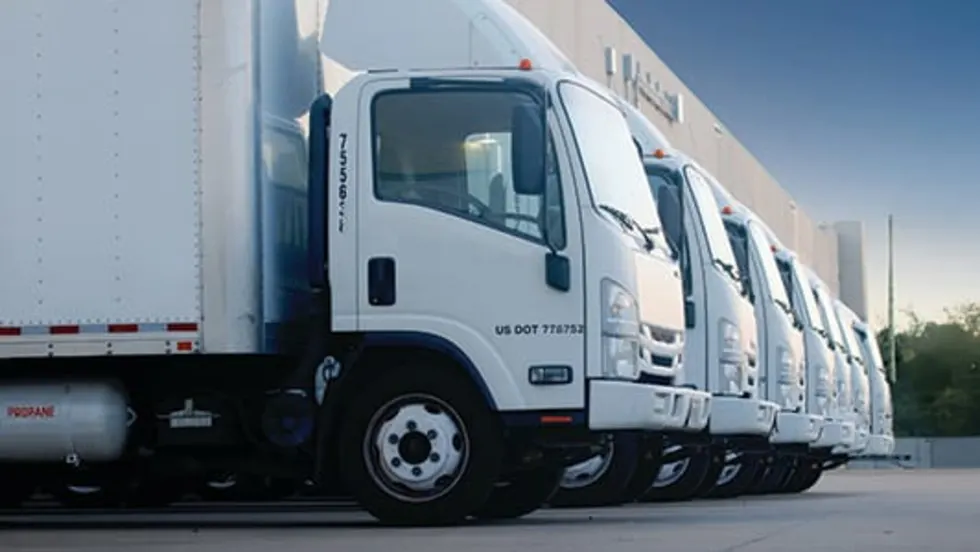
New Propane Autogas Program Offers Fleet Compensation
Qualified commercial fleets can receive $7,500 per eligible propane autogas vehicle and up to $10,000 for new refueling site prep. Learn how the program works and see whether your fleet qualifies.
Read More →
EV Charging Use Is Outpacing Infrastructure Growth
ChargePoint’s 2026 Charging Forward Report points to rising charger use, higher-powered charging, commercial vehicle electrification, and energy-management technology. Here’s what fleets should know.
Read More →
Merchants Fleet Reports 290M EV Miles as Fleets Navigate Changing Electrification Market
From millions in operating savings to hundreds of millions of EV miles, Merchants Fleet’s latest report reveals what’s working and what’s changing in fleet electrification.
Read More →
The EV Breakdown Nobody's Talking About: Why Most Electric Vehicle Roadside Calls Aren't Mechanical Failures
Here's why EV breakdowns are widely misunderstood.
Read More →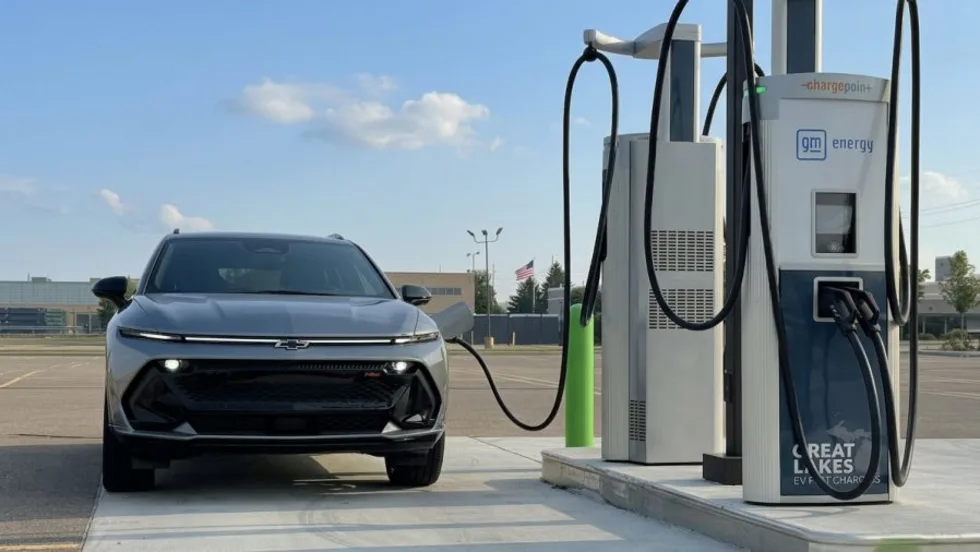
ChargePoint Now Available in Energy Pass
ChargePoint and additional planned charging network integrations were added to GM's Energy Pass.
Read More →

First Look: Slate Auto's Electric Fleet Pickup
Could an affordable, modular EV pickup make electrification more practical for fleets?
Read More →
Slate Debuts Colorful, Unique EV Models
A recent media and client event, studded with electric vehicles dressed up on platforms, planted a new position for the manufacturer in the wider EV market. Fleets will find cost-saving advantages.
Read More →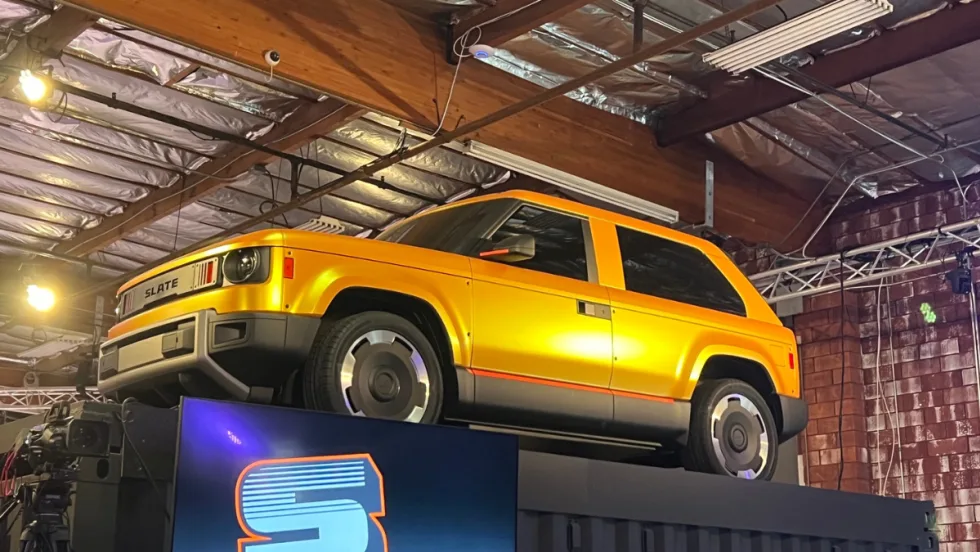
Slate Electric SUV, Pickup Switchable Model Aims For Light-Duty Fleets
Everything about this EV is counterintuitive and understated, making it stand out from the crowd.
Read More →
Inspiration Mobility Acquires Key Electrada Assets
Inspiration Mobility Group has acquired select assets of Electrada, adding the fleet electrification provider's team, technology, and charging infrastructure development capabilities to its energy management business.
Read More →