




Report from the Editor
The month-long strike against General Motors Corp. is going to have a serious effect on fleet purchasing programs.
The month-long strike against General Motors Corp. is going to have a serious effect on fleet purchasing programs.
General Motors accounts for more than 50 per cent of all domestic auto sales. Its fleet business is understandably, even greater. It is estimated that the strike cost General Motors 350,000 cars in Octobers. And it will be a long time before production is made up. Auto industry observers tell me that for every week a plant is down, it takes three weeks to make up production. Since the GM strike lasted four weeks, pipelines to dealers won't be completely filled until February.
Not only are fleet buyers faced with delays in delivery, they may not be able to get the exact equipment on the cars they order. This could result in additional fleet costs.
Maintenance costs should also go up as the result of keeping present cars for a longer-than-scheduled period. Also, fleets will lose some depreciation because they will have the new cars for a shorter-than-normal time.
Fleets that have already received some or all of their 1965 cars should consider themselves lucky. Fleets that are still waiting for 1965 GM allocations can do nothing but wait-or switch to a competitive make.
However, even though Ford, Chrysler and American Motors didn't suffer any substantial production losses as the result of the United Auto Workers, their production still isn't up to normal. Chrysler, for example, had to keep 20,000 cars in inventory because it didn't have any rear seats as the result of a supplier strike. Ford and American Motors also lost cars as the result of supplier troubles.
While fleet operators can't do anything about strikes in the auto industry, they should consider the possibility of recycling their purchasing programs in years in which auto contracts expire. By planning to keep their cars past the normal disposal period in the years in which there is a possibility of an auto strike, they may be able to reduce extra maintenance expenses. They will still lose out on depreciation by following such a policy, but they would suffer this depreciation anyway in the event of a strike.
There is also the possibility of keeping vehicles for an additional 12 months, but this decision requires a great deal of study and cost analysis. Springtime replacement may be another answer, but again this deserves a great deal of study.
Actually, in my opinion, the long strike against General Motors was unwarranted. Agreement on a national contract covering the important pocketbook issues was reached long ago. The strike was prolonged by such local issues as washup and relief time. There is no doubt that the strike had a serious effect on the national economy. The workers will never make up the wages they lost. Striking for money is one thing but striking over the amount of time a person is allotted to go to the washroom is another. Additionally, the UAW sought to pre-empt functions which GM felt belonged in the hands of management. Under these conditions, the company had no choice but to stand its ground.
More Operations

A buyer's guide to fleet management software in 2027
Buying fleet management software in 2027 means looking beyond features and price. As fleet operations, technology and expectations evolve, this guide explores what today’s fleet professionals should consider when choosing a system that can deliver value now and adapt to what comes next.
Read More →
What Will Shape the Next Era of Fleet Management?
EVs, AI, and autonomous vehicles are reshaping fleet management. Discover what’s ahead—and how fleet leaders can prepare for the next era.
Read More →
How Fleets Can Recruit and Train Veterans for Technician Roles
Here's how the technician shortage has affected uptime for fleets, and what to do about it.
Read More →

Avis Budget Group Deploys Neology Toll Management Technology Across Major Brands
Neology’s neoFleet platform will manage toll transactions and toll-authority operations for vehicles across Avis, Budget, Payless, Budget Truck and Zipcar.
Read More →
Fleet Personal-Use Charges Edge Higher in 2026
Nearly eight in 10 surveyed fleets allow personal use of company vehicles, while just over half of respondents report charging employees for the privilege.
Read More →
The Future of Fleet + What’s Changing Right Now | AF News Recap
Could developments overseas offer a preview of what’s coming for U.S. fleets? This week, we’re looking at the future of AI, autonomy, and electrification, plus Ford Pro’s new certified pre-owned program, smarter vehicle offboarding, and a new way for fleets to manage toll expenses.
Read More →
How to Handle Vehicle Offboarding
What do fleet managers need to do when a driver leaves?
Read More →
Fleet Manager’s Ultimate Playbook: Navigating the New Standard in OEM Connectivity
Rising operating costs, driver safety concerns, and unplanned downtime are putting unprecedented pressure on modern fleets. Discover how fleet managers use embedded OEM connectivity and real-time vehicle data to cut TCO, prevent downtime, and protect drivers without aftermarket telematics hardware.
Read More →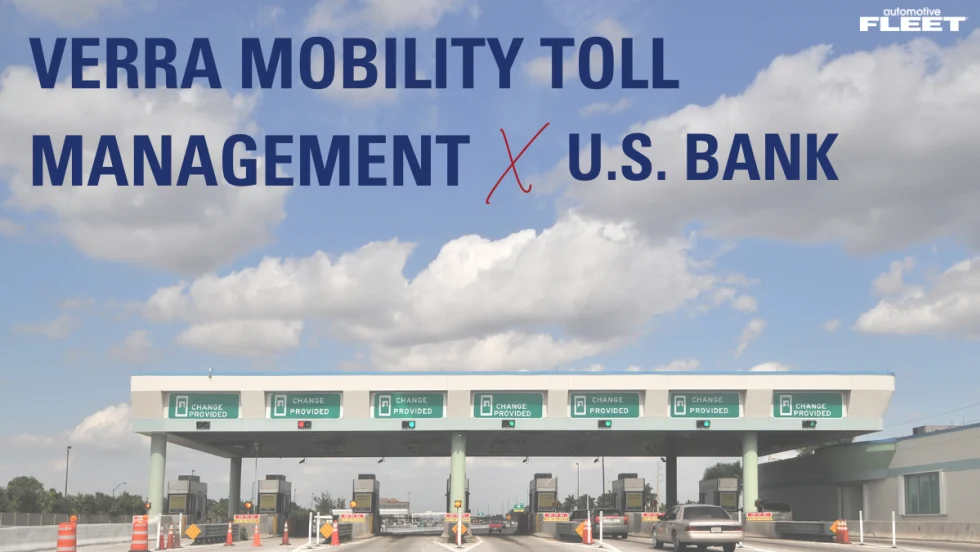
U.S. Bank Adds Verra Mobility Toll Management to Voyager Fleet Platform
The integration allows U.S. Bank Voyager fleet customers to manage toll payments and violations alongside fuel, EV charging and maintenance expenses.
Read More →
ADAS Prevents Crashes. But Repairs Cost More | AF News Recap
ADAS-equipped vehicles may crash less often, but they can cost more when they do. This week, we’re breaking down what that tradeoff means for fleets, plus Subaru’s first Forester Wilderness Hybrid, Nissan’s new e-POWER Rogue, and why Calstart has become Catalyst Mobility.
Read More →