




Report From the Editor
The leasing survey in this issue should be of interest to both fleet administrators and to leasing companies.
The leasing survey in this issue should be of interest to both fleet administrators and to leasing companies. The value to fleet administrators is in the comparison of their operation to that of the top 500 industrial corporations. The value to leasing companies is in learning how to make a better sales pitch.
I was surprised that so many respondents said that the information supplied by leasing firms in making a proposal was not adequate. The business of leasing vehicles has become sophisticated as the result of the tremendous growth of the past several years. To be successful, it follows that a leasing company must also be sophisticated. This means the use of charts, forms and other material in making a sales presentation. No longer can the leasing executive walk into a corporate office cold and come out with a leasing contract. Today's financial-oriented executive wants to be shown that leasing is more economical. Leasing companies should make a thorough study of past operations and costs before making a leasing proposal. They should be well versed in the three areas where survey respondents said they want more information-the used car market, development of cost figures based on present mileage allowances and cost of company-owned fleets. It is not enough to know just one side of the picture.
The same holds true for the corporate fleet administrator. He should know as much about leasing as he does about his own operation. With a good background on the costs of leasing, the able fleet administrator will be able to answer questions about leasing from top management with authority. He won't be put in the position of telling his superiors that he doesn't know-and, more important, with a thorough knowledge of leasing he won't be taken in by a faulty leasing proposal.
There is no doubt that vehicle leasing is one of the fastest growing industries today. Only by knowing and understanding the problems involved in leasing can a fleet administrator know if leasing is good for his company. The competent fleet administrator cannot shut his eyes to leasing. He must learn to understand it and if necessary, to live with leasing. This is one reason why we present different articles on the various aspects of leasing.
I would like to emphasize that the companies included in the survey represent the nation's top 500 industrial firms. Merchandising, insurance and transportation companies are not included. Nor are banks, utilities or savings and loan associations. It should also be noted that General Motors Corp. Ford Motor Co., Chrysler Corp., American Motors Co. and Studebaker Corp. rank in the top 500 companies- and none lease cars. Since there are many fleets excluded, the averages may vary from figures reported in the past. Still the survey is a good indicator of how the nation's largest companies feel about leasing.
The survey marks another first for AUTOMOTIVE FLEET. It marks the first time that Fortune magazine's list of the top 500 has been used to measure leasing activity and it marks the first time that we have used an outside source to gather raw figures. Gerald Teldon is a man who likes to collect figures. He told us that he started the survey because he wanted some information about leasing and none was available.
More Operations

How Fleets Can Recruit and Train Veterans for Technician Roles
Here's how the technician shortage has affected uptime for fleets, and what to do about it.
Read More →
Avis Budget Group Deploys Neology Toll Management Technology Across Major Brands
Neology’s neoFleet platform will manage toll transactions and toll-authority operations for vehicles across Avis, Budget, Payless, Budget Truck and Zipcar.
Read More →
Fleet Personal-Use Charges Edge Higher in 2026
Nearly eight in 10 surveyed fleets allow personal use of company vehicles, while just over half of respondents report charging employees for the privilege.
Read More →
The Future of Fleet + What’s Changing Right Now | AF News Recap
Could developments overseas offer a preview of what’s coming for U.S. fleets? This week, we’re looking at the future of AI, autonomy, and electrification, plus Ford Pro’s new certified pre-owned program, smarter vehicle offboarding, and a new way for fleets to manage toll expenses.
Read More →
How to Handle Vehicle Offboarding
What do fleet managers need to do when a driver leaves?
Read More →
Fleet Manager’s Ultimate Playbook: Navigating the New Standard in OEM Connectivity
Rising operating costs, driver safety concerns, and unplanned downtime are putting unprecedented pressure on modern fleets. Discover how fleet managers use embedded OEM connectivity and real-time vehicle data to cut TCO, prevent downtime, and protect drivers without aftermarket telematics hardware.
Read More →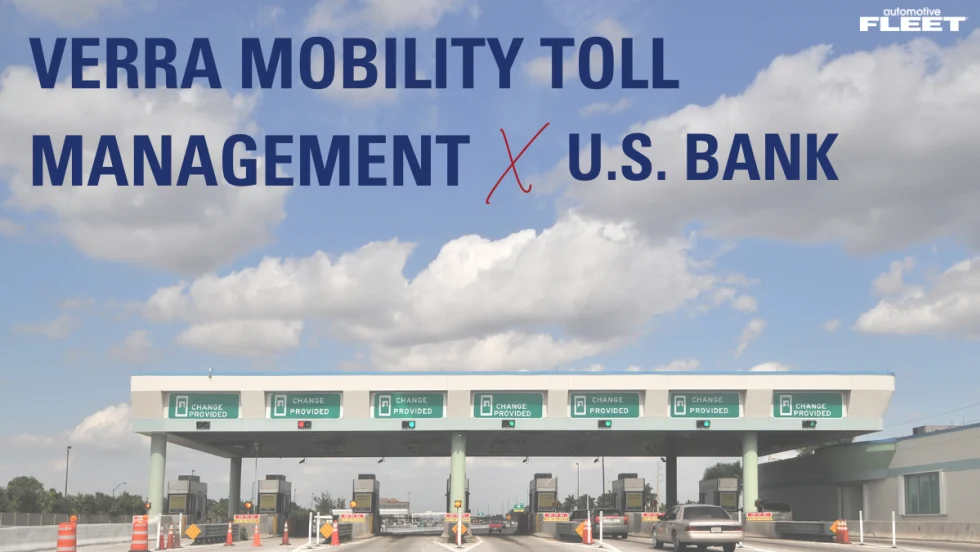
U.S. Bank Adds Verra Mobility Toll Management to Voyager Fleet Platform
The integration allows U.S. Bank Voyager fleet customers to manage toll payments and violations alongside fuel, EV charging and maintenance expenses.
Read More →
ADAS Prevents Crashes. But Repairs Cost More | AF News Recap
ADAS-equipped vehicles may crash less often, but they can cost more when they do. This week, we’re breaking down what that tradeoff means for fleets, plus Subaru’s first Forester Wilderness Hybrid, Nissan’s new e-POWER Rogue, and why Calstart has become Catalyst Mobility.
Read More →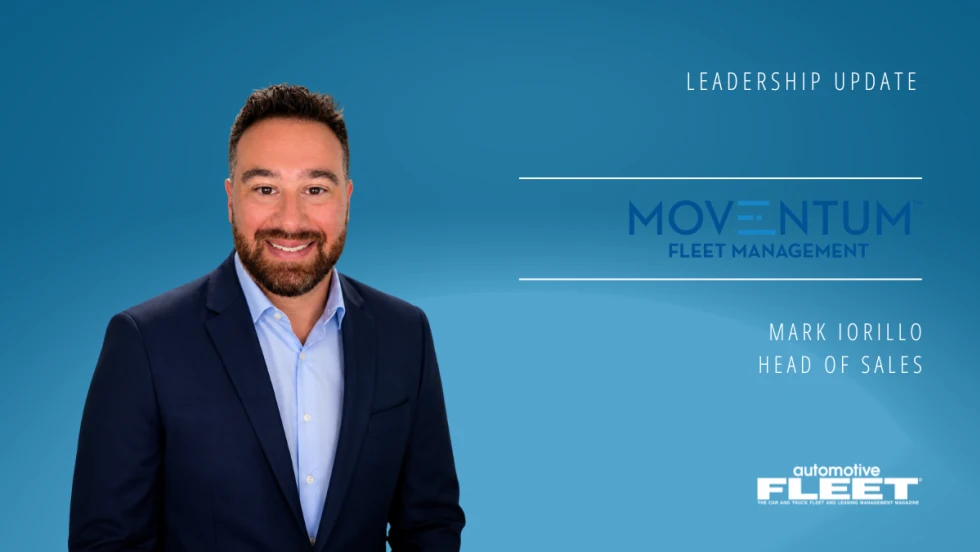
Moventum Fleet Management Names Mark Iorillo Head of Sales
Iorillo brings nearly 20 years of fleet management and sales experience to the role, including previous positions at Element Fleet Management, CEI, Donlen and Ryder.
Read More →
Fleet Has a Talent Pipeline Problem. What Comes Next? | AF News Recap
Where will fleet’s next generation of leaders come from? This week, we’re looking at the industry’s talent pipeline, what certification can add to a fleet career, how to build an award-worthy track record, and the return of Automotive Fleet’s Personal Use Survey.
Read More →