





Digging Deeper: Parts Shortages Trigger Spike in Vehicle Downtime
Replacement Parts Remain in Short Supply with Prices Rising
Parts constraints are causing much longer completion times for repair jobs, lengthening fleet vehicle downtime, reducing driver productivity, and consequently increasing overall fleet maintenance costs.
February 15, 2023
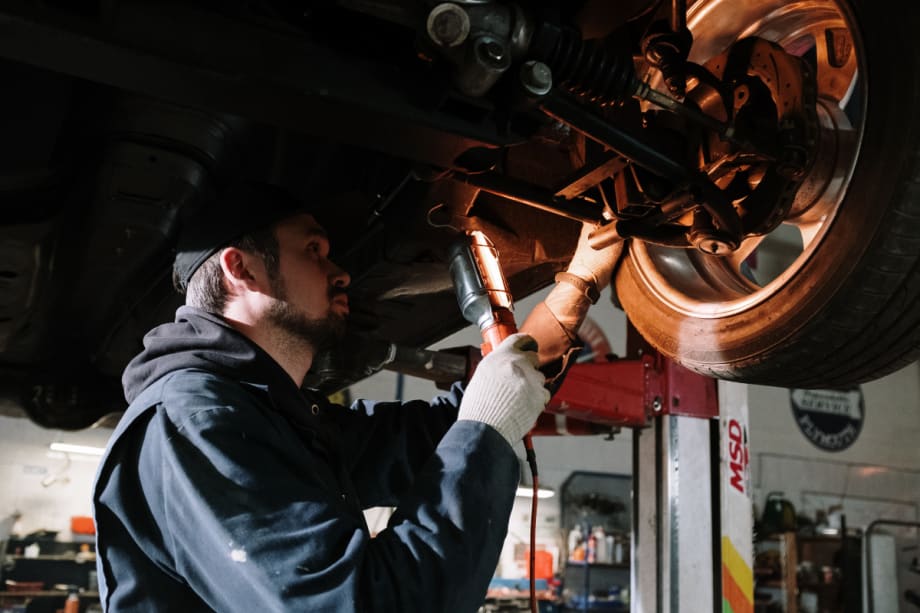
Even after two years, parts shortages remain, continuing to impact the maintenance and repair of fleet vehicles.
Photo: Cottonbro Studios
5 min to read
No one expected the ongoing shortage of automotive replacements parts would last this long. Yet, even after two years, the shortages remain, continuing to impact the maintenance and repair of fleet vehicles.
These wide-ranging parts constraints — which also includes the shortage of microchips — are part of the much larger disruptions occurring throughout the global supply chain. These supply chain constraints impact a wide cross-section of automotive components, which vary by type of part and by vehicle make and model.
The bottom line, however, is that these parts constraints are causing much longer completion times for repair jobs, thereby lengthening fleet vehicle downtime, reducing driver productivity, and consequently increasing overall fleet maintenance costs.
These parts shortages first started to appear in the fourth quarter of 2020, and since then, a series of ongoing and sporadic inventory shortages have occurred for a variety of automotive components throughout calendar-years 2021 and 2022.
New-Vehicle Shortage Adds to Problem
Exacerbating this parts availability problem has been the industry-wide difficulty in getting new replacement vehicles. These two supply constraints are very much interrelated.
The ongoing difficulty in sourcing new replacement vehicles has forced many companies to keep existing fleet vehicles in service far beyond their scheduled replacement dates. As a result, these higher-mileage vehicles are now experiencing the predictable uptick of unscheduled repairs.
In a domino-like effect, the spike in unscheduled repairs is further complicated when the needed replacement parts are not in inventory and must be backordered.
The rule of thumb is the higher the vehicle mileage, the greater the propensity for unscheduled maintenance issues to occur. This scenario is playing out in today’s fleet market as vehicle service lives are extended due to the inability to source replacement vehicles.
Service life extensions impact fleet budgets because the higher spend on maintenance and general repairs may not have been budgeted. They also extend the preventive maintenance cycle, which also has a dollars-and-cents impact because the additional miles may require a new set of tires or another set of brakes that in a normal replacement cycle would not have been incurred.
Also impacted are fleet vehicles that have been involved in an accident, which can represent 20% of vehicles in a corporate fleet. These accident-damage repairs often require replacing entire assemblies. Currently, sub-assembly components, especially those with embedded microchips, are in short supply.
On average, it is now taking 15-30 days longer to get parts at collision repair shops compared to what was experienced in 2019.
Fleet Managers Respond
Here’s how one fleet manager described today’s situation:
“The parts shortages is probably the worst nightmare for fleet managers in my 25 years in fleet. It is a vicious cycle that shows no end in sight.”
The “vicious cycle” this fleet manager refers to are the constraints in sourcing new replacement vehicles, which, in turn, are forcing fleets to extend the service lives of existing units in operation, which, in turn, increases the frequency of unscheduled maintenance occurrences, which creates a vicious cycle.
These unpredictable shortages have resulted in longer repair cycles —the period when a vehicle comes into the repair facility to when it is repaired and picked up by the vehicle owner. Currently, it is not surprising to hear of vehicles sitting non-productive at service centers for weeks or even months just waiting for an essential part to arrive.
Here’s how another fleet manager described the current shortage of replacement parts and assemblies:
“It is like a Catch-22 dilemma. We can’t get replacement vehicles, so we have to fix the existing vehicles. But we can’t get parts to fix the existing vehicles due to supply chain issues, so they just have to sit and wait.”
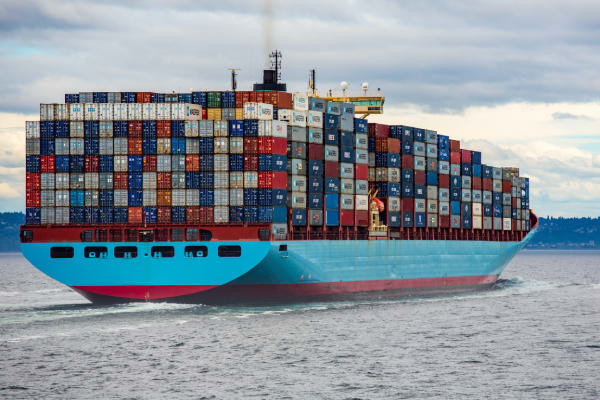
A global backlog in maritime shipping is delaying the delivery of imported goods to the U.S.
Photo: Ian Taylor
No One Definitive Answer
So why is this happening? There isn’t one definitive answer to why a shortage of general automotive parts exists. The shortages actually result from a multitude of factors. The following describe some of the factors contributing to today’s parts shortages:
First, many automotive components are made of aluminum, rubber, plastic or copper. The high demand for these same commodities from many different industries is lengthening the lead time to obtain the raw materials, thereby lengthening production times, thereby increasing delivery times.
A major contributing factor, developing over the past several decades, is the widespread “offshoring” or outsourcing of automotive spare parts manufacturing to Asian suppliers. Disruptions in Asian markets, such as lockdowns in China following new outbreaks of COVID, created a domino effect that delayed the component shipments into the global supply chains.
Next, since a large volume of parts manufacturing is located in Asia, these imported automotive parts are typically shipped to the U.S. by container ship.
Today, a global backlog in maritime shipping is delaying the delivery of imported goods to the U.S.
Because new container ships are larger than ever—one-third larger than older ships, they take about a third longer to unload.
Next, a shortage of chassis trailers to haul shipping containers when they arrive in U.S. ports is increasing lead times.
For every touch point in the manufacturing and distribution of automotive parts, there appears some incremental delay.
One fleet manager describes the lead times for certain parts:
“Parts availability is the worst that I have ever seen it. Not only are we struggling with individual parts, but also on certain assemblies, such as engines, which are running 6-9 months out.”
Shortages Cause Higher Costs
In addition to parts constraints, components cost more. The ongoing component shortages have triggered prices increases for individual parts, on average up to 20% to 30%. In some cases, the price of certain parts have actually doubled.
A key contributor to the price increases has been the rising costs of the raw materials used to manufacture components, especially if they are made of high-demand commodities, such as copper or aluminum.
Higher commodity prices increase manufacturing costs, thereby reducing parts manufacturers’ margins, putting upward pressure to increase parts prices. These increased costs are then passed on to end-users.
The bottom line is fleet managers are now paying higher prices for replacement parts new and used, and the delivery time for parts is much longer.
How long will this continue?
Component manufacturers say they don’t expect the imbalance between supply and demand for automotive parts to return to normal inventory levels until the second half of calendar-year 2023.
Subscribe to Our Newsletter
More Maintenance

Sponsored•October 1, 2026
Fleet Manager’s Ultimate Playbook: Navigating the New Standard in OEM Connectivity
Rising operating costs, driver safety concerns, and unplanned downtime are putting unprecedented pressure on modern fleets. Discover how fleet managers use embedded OEM connectivity and real-time vehicle data to cut TCO, prevent downtime, and protect drivers without aftermarket telematics hardware.
Read More →
How Can Fleet Managers Tell Which Repairs Require Closer Review?
Fleetio’s Brianna Perry demonstrates how Service Advisor evaluates maintenance requests, identifies pricing anomalies, and provides the context fleet managers need to focus their attention on potential problems.
Read More →
Why Roadside Assistance Belongs in a Fleet Risk Strategy
Roadside assistance is more than a tow. See how the right partner can protect drivers, uncover fleet trends, and strengthen your risk strategy.
Read More →
Sponsored•August 7, 2026
Hidden in Plain Sight: Fleet Compliance Risks
Fleet compliance isn't just about having policies — it's about consistently enforcing them. This practical guide reveals six hidden compliance risks common in public sector and shared fleet operations and outlines proven strategies to improve visibility, accountability, and audit readiness
Read More →
How Maintenance Costs Compare Across 27 Fleet Vehicles
Vincentric’s three-year, 60,000-mile projections reveal wide differences for both scheduled and unscheduled maintenance among selected vehicle categories. Projected maintenance visits also play a factor.
Read More →
The EV Breakdown Nobody's Talking About: Why Most Electric Vehicle Roadside Calls Aren't Mechanical Failures
Here's why EV breakdowns are widely misunderstood.
Read More →
How Stellantis Plans to Get Ahead of Fleet Downtime
Keeping fleet vehicles on the road has become as important as buying them. Darren Bradshaw of Mopar North America explains how connected vehicle data, AI, and proactive service strategies are helping Stellantis reduce downtime and move closer to predictive maintenance.
Read More →
Merchants Fleet Expands Maintenance Network with Pep Boys
Merchants Fleet has expanded its relationship with Pep Boys, increasing the service provider's role within its national maintenance network. The move is intended to enhance maintenance coordination and support commercial fleets through Pep Boys' nationwide footprint.
Read More →
The Two Biggest Summer Downtime Threats for Fleets
A conversation with a maintenance expert reveals the two most common summer maintenance pains and how to prevent them.
Read More →
From Marine Corps Motor Pool to Managing 460 Fleet Vehicles
Cesar Ayala of O’Connell Landscape Maintenance shares how he transitioned from the Marine Corps to managing a 460-vehicle fleet—and the real-world challenges of maintenance, compliance, and driver management in California.
Read More →