





Related: Hot Takes: Unexpected EV Findings
Predicting the Evolution of Mobility Options in the Pandemic Recovery
Right now, a card on the dash saying “this vehicle has been hygienically cleaned” means a lot more than a five-star user rating. Looking past the pandemic, this brief cessation of non-essential travel might produce even greater change.
March 31, 2020
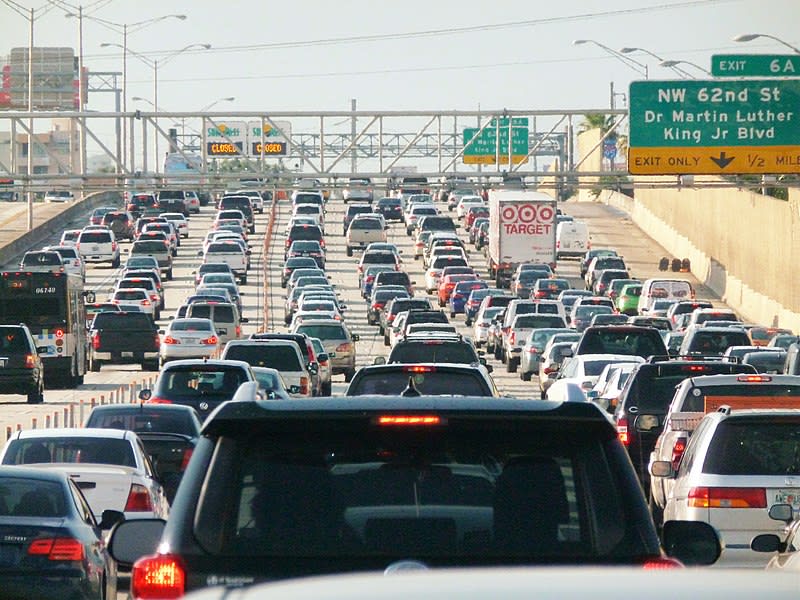
Shared mobility in various forms may struggle to regain a foothold post pandemic. But do we really want to return to this?
Photo via B137/Wikimedia.
6 min to read
There are various theories as to when the Coronavirus pandemic subsides to allow the world to safely return to business and daily life. While there are too many unknown factors right now, it’s understood that the recovery won’t happen evenly. As such, transportation modes won’t rebound all at once, and many won’t be the same post-pandemic.
Thoughts on the recovery timeline first: As the world sinks into a new normal, the initial “we’ll get over this in a couple of months” mentality has evolved.
The pandemic could abate in three to four months, or it could take 18 months, depending on many unknown factors: a universally distributed treatment (perhaps not a cure), a sharp drop in infections, relaxed social distancing that brings a new wave of cases, and a tested, viable vaccine. For that, experts say Spring 2021 at the earliest.
In terms of general business types, prevailing wisdom has government business returning first; in fact, government travel for essential services has actually increased in some sectors. Commercial business would come next, with regional and long-haul trucking returning to serve reopening manufacturing plants, stores, and restaurants. Last-mile deliveries, of course, have only increased during the pandemic.
In the corporate world, pent-up demand that had been on hold will be unleashed. Yet companies will be reassessing many factors: What is essential travel? At what stage will in-person sales calls be appropriate? When will corporations allow their employees to fly? When trade events are allowed to assemble, will potential attendees have the budget or the desire to travel?
The return of leisure travel may take longer, with different sectors reemerging intermittently as well: People will be starved to get out to visit friends and relatives, though they may prefer a car over travel by plane. With limited discretionary spending, vacations would be shorter and closer to home. International travel recovering slower as a result. Large gatherings may be banned for longer, eliminating travel to sporting events, concerts, and festivals. The cruise industry may suffer for years.
Preferable Forms
In these scenarios, what forms of transport will be preferable or acceptable?
When normal life awakens, travelers will be looking for more control over how they get to their destinations. They should be more comforted by standardized, institutional safeguards for their travel modes.
Incumbent car rental will be positioned to serve the rebound, certainly in the neighborhood stores. People may opt for car travel (their own or rented) over the shared environment of air travel. The car rental process is structured to clean vehicles with institutional control after each rental; a more thorough sanitization is an easy leap.
Various forms of shared mobility have a more difficult path when it comes to cleanliness comfort levels.
Uber and Lyft have suspended their shared ride services, Uber Pool and Lyft Line. More importantly, when will riders feel comfortable sharing a ride with a strange driver at all, in an Uber, Lyft, or taxi?
Carsharing services (in an owned fleet model) also have the predicament of the unknown when it comes to cleaning.
Last week I received a “best practices reminder” from a carsharing service on how to be a good carshare user. Tips included “wash your hands frequently” and “be considerate to those in the community.” Wholly lacking any tangible assurances that the cars are cleaned to any acceptable standard after each use, this message instilled little confidence in the provider’s ability to protect me.
Right now, a card on the dash saying “this vehicle has been hygienically cleaned” means a lot more than a five-star user rating.
The peer-to-peer (p2p) rental model, built on shared individual assets, is a further step away from an institutional ability to disinfect a car. Getaround is looking for a buyer as demand has plummeted during the pandemic.
For the p2p market, whether for the rental of cars or homes, expect a market of third-party “CDC-certified” cleaners to emerge. However, for p2p car rentals, will the model support the extra cost of a cleaning for each rental?
Scooter and bicycle micromobility services are being suspended across the globe, either voluntarily by the company or by city ordinance. However, some cities, such as San Francisco and Austin, have classified shared mobility operators to be essential services, allowing them to continue to operate if they choose.
In Chicago, the Divvy bikesharing service has spiked in the early weeks of the crisis.
In general, it’s a good time to take advantage of empty streets — at least with your own two wheels. Moving forward, tech inventions such as self-cleaning handlebars may coax riders to jump back aboard.
Public transit has suffered ridership declines of 50% to 90% and services are being drastically curtailed. While transit agencies have rethought loading processes and stepped up cleaning efforts, the high turnover of users and their close proximity will continue to keep many away.
After the Crisis
After the dust has settled (and been hygienically wiped away), how will these transportation modes adapt to the new reality? It won’t be business as usual, though we can only conjecture at this time.
Perhaps car rental will migrate a percentage of business away from airport leisure into steadier neighborhood b2b and long-term rentals, which offer more flexibility than a purchase or a lease. Subscription models could benefit from this new mindset as well.
Carsharing may find more of a foothold in b2b as well, in closed-loop communities that have more control over vehicle sanitization. They too might employ roving cleaning services.
For many, public transit is based on financial necessity. Post-pandemic, perhaps the “mobility as a human right” initiative helps to tip the scales to free public transit. Perhaps on-demand transit grows: Texas’ Denton County Transportation Authority (DCTA) is expanding its on-demand transit service to replace fixed-route bus services. DCTA said the technology manages the number of riders on a vehicle while tracing their usage and contact with other riders.
What happens to highly leveraged Uber and Lyft? Will ride-hailing return to previous levels; will booming delivery service divisions replace a fraction of lost revenues? Would taxis make a comeback? Maybe not. Perhaps black car service will surge, which can offer a higher attention to detail at a higher price point.
In this so-far brief cessation of non-essential travel, one thing has become clear — the air. We’ve pressed a giant reset button. The dramatic decline in air pollution across the globe in such a short time shows that change is possible.
Perhaps when the pandemic subsides, we’ll be hesitant to return to single occupancy vehicles with internal combustion engines choking our cities. Perhaps we’ll have a greater willingness for initiatives that reduce vehicle miles traveled — such as tele-medicine, e-commerce, and working from home — as we’ve seen tangible results.
This timeline to get there is only conjecture at this point. Hopefully public trust can be regained quick enough to allow real change to happen, and sooner than later.
Subscribe to Our Newsletter
More Fleet Forward
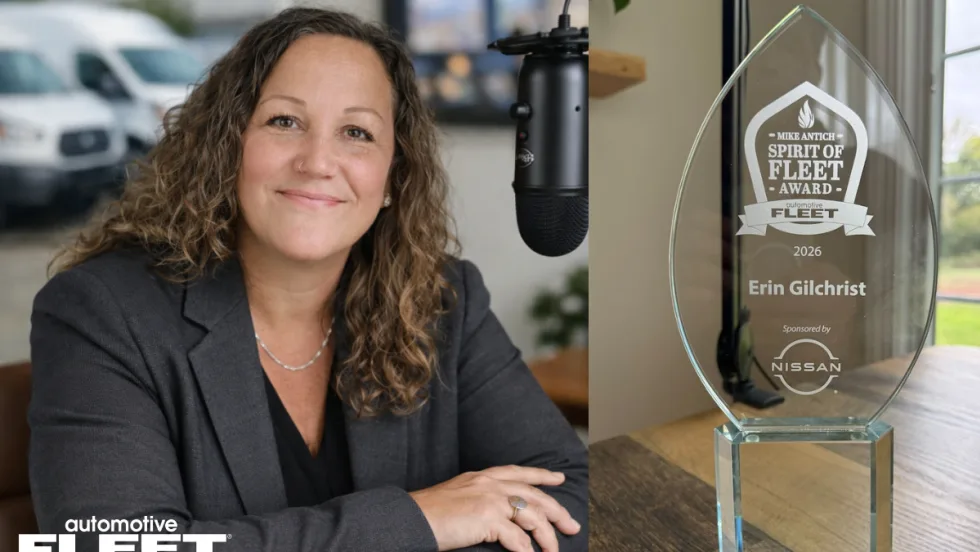
Erin Gilchrist Receives Mike Antich Spirit of Fleet Award
Last week at AFLA in Vegas, Erin Gilchrist received the inaugural, brand-new Spirit of Fleet Award.
Read More →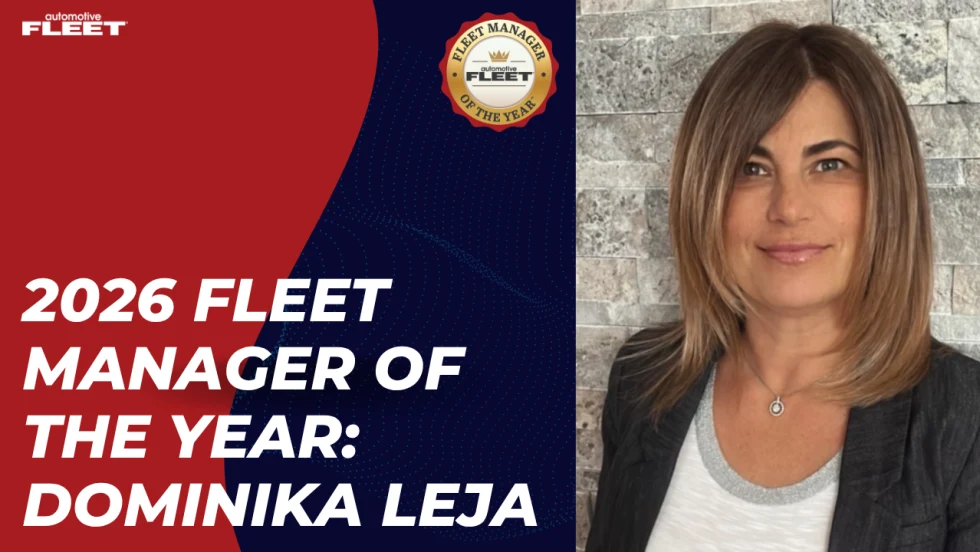
Dominika Leja Named the 2026 Fleet Manager of the Year
The AstraZeneca associate director of fleet was recognized for her leadership in fleet electrification, cost savings, and operational transformation.
Read More →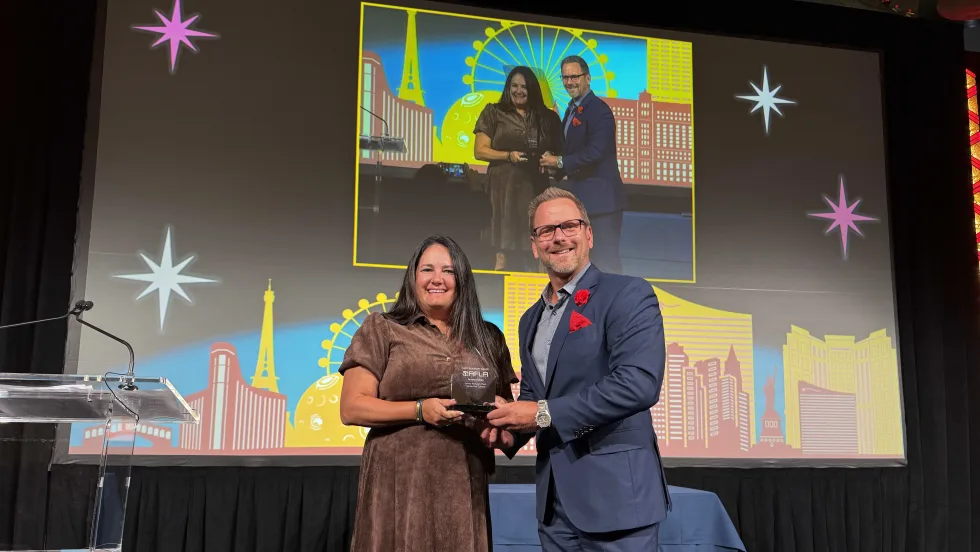
Jamie McKay Named the 2026 Fleet Visionary Award Winner
The Aptive Pest Control fleet manager was recognized for her approach to operations, data, lifecycle management, and driver needs.
Read More →
Fleet Forward Conference Introduces One-Day Passes for 2026
New one-day registration gives fleet professionals the flexibility to attend Tuesday, Wednesday, or Thursday, with passes available for $199 through Sept. 18.
Read More →
Vibe Coding: When Fleet Managers Become Software Builders
Five fleet professionals — none with programming skills — discuss how they’re using AI to build fleet solutions in-house and in a fraction of the time.
Read More →
Fleet Forward Conference Tackles Fleet Industry’s Growing Leadership Gap
This session will examine succession planning, knowledge transfer, and the skills the next generation of fleet leaders will need as veteran professionals leave the industry.
Read More →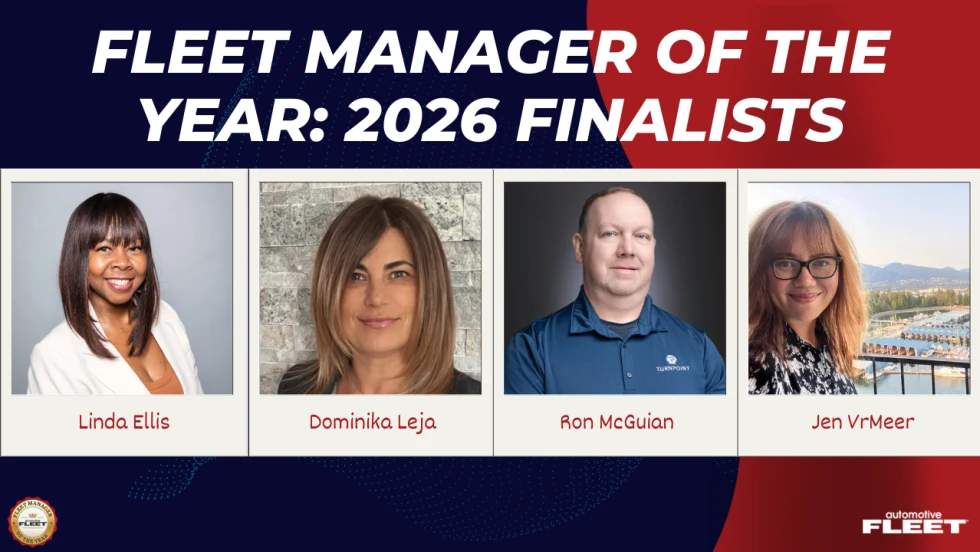
2026 Fleet Manager of the Year Finalists Announced
Who are the 2026 Fleet Manager of the Year finalists?
Read More →
John Rossant to Deliver Opening Keynote at 2026 Fleet Forward Conference
The CoMotion founder will draw on developments across Europe, China, the Middle East, and other international markets to identify trends that could influence how U.S. fleets plan for the coming decade.
Read More →
How to Build Custom Fleet Tools With AI and Vibe Coding [Webinar]
A new Automotive Fleet webinar explores how fleet managers are using AI and vibe coding to automate routine work and create simple operational tools without traditional programming skills.
Read More →