





The Fleet Forward Conference is around the corner. For more information, click here.
Policy Insights from the Fleet Forward Somerset Tour Stop
Policy expert Michael Taylor breaks down how tariffs, safety mandates, and shifting federal regulations are reshaping fleet costs and compliance.
September 23, 2025
Industry experts and fleet professionals discuss the future of costs, safety, and regulations at the Fleet Forward Tour in Somerset, N.J.
Photo: Automotive Fleet
3 min to read
Federal and state regulations are always at the crux of the daily decisions fleet managers need to make.
The final stop of the Fleet Forward Tour in Somerset, N.J., hosted Michael Taylor from HillStaffer LLC. There, he shared insights on important federal and state developments shaping fleets today, as well as strategies for overcoming their challenges.
Tariffs and Costs
The unavoidable subject for every fleet, tariffs, was part of his analysis.
“Tariffs,” from Taylor’s perspective, “are now a permanent line item in your fleet budgets section. Tariffs apply to vehicles, batteries, and electronics imported from China and other countries.”
Taylor updated attendees on the new tariff implications. Current tariffs would apply to steel and aluminum, and as of June, have doubled in price.
He expects this to affect the cost of imported EVs, heavy-duty trucks, and battery packs. He used an EV battery as an example, where a $40,000 battery would inflate to $50,000 with a 25% tariff.
He warned that these tariffs could cause costs to skyrocket overnight.
Taylor suggests fleet managers change the way they treat tariffs for their bottom line, reiterating that he would treat them as “recurring, unpredictable, and impactful on your operating budgets.”
For private fleets, this directly impacts their operating costs. He suggested negotiating contracts to mitigate expenses. Additionally, he suggested taking a proactive approach and adding tariffs to your total cost of ownership, tracking your procurement, and diversifying your suppliers.
Updates to Safety
Safety is the top priority in the world of fleet management. Taylor said that planning for future technology costs is one way to prepare for upcoming safety mandates.
Key updates from Taylor’s presentation include:
The National Highway Traffic Safety Administration (NHTSA) has tightened crash reporting for autonomous and Driver Assist vehicles.
The Federal Motor Carrier Safety Administration (FMCSA) withdrew its speed limiter mandate in July of this year.
Automatic Emergency Braking (AEB) is proposed for heavy trucks but not yet finalized. If AEB is mandated, it would be one of the first federally mandated AI-driven safety systems in the heavy trucking industry.
Ultimately, safety regulations are in a state of flux. Some mandates will pass and some will not. He suggested fleets keep a close eye on how they proceed.
Call to Action
Taylor’s advice to all fleet managers? Get involved.
Policymakers need industry experts to inform them so that they can develop policies that actually provide the solutions fleets need.
“It's good for you to go in and educate them, bring them to your facility, let them see your challenges in a real way, day to day. I call it constructive engagement. Better to do that and build a relationship, and you'll get better regulations,” he explained.
Before he finished, he stressed these three points:
Fleets must lead and not react.
Look at your resources and research any incentives.
Get involved. Serve on advisory councils and reach out to your policymakers to inform them of the specific help you truly need.
Subscribe to Our Newsletter
More Fleet Forward
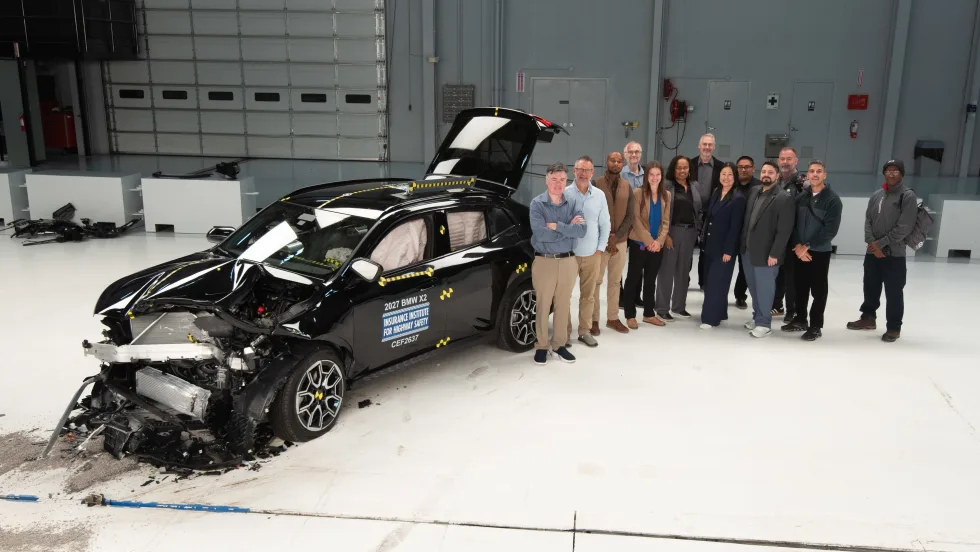
What Fleet Managers Learned from IIHS Crash Testing
Fleet Forward Conference attendees witnessed a live crash test at IIHS’s site, explored vehicle safety technology, and learned how IIHS research can inform fleet purchasing decisions.
Read More →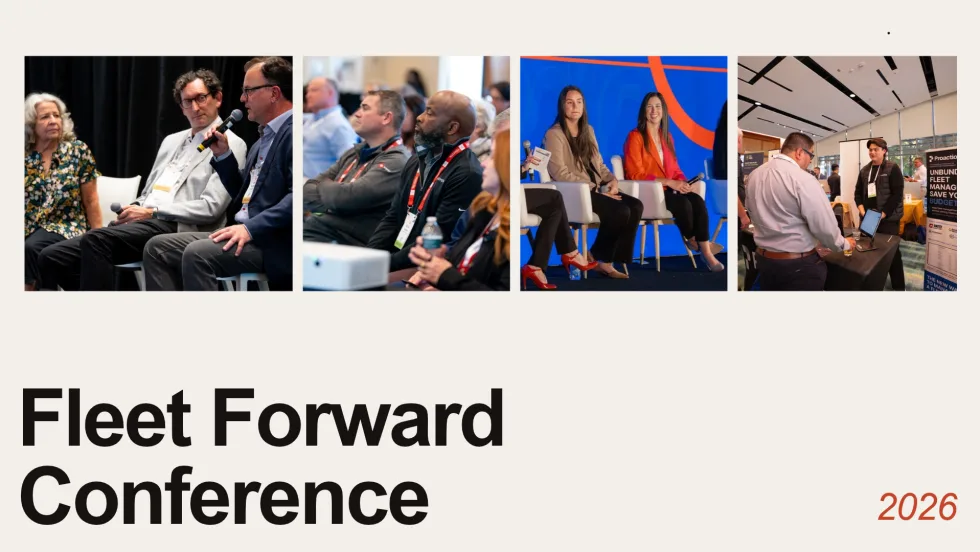
What Happened at Fleet Forward Conference 2026?
Here's what happened at this year's Fleet Forward conference, all in photo form.
Read More →
Chad Edmondson Named 2026 Fleet Safety Award Winner
The VSC Fire & Security fleet director oversees more than 1,100 assets nationwide. His approach to improving driver safety emphasizes collaboration, employee engagement, and building trust with the people behind the wheel.
Read More →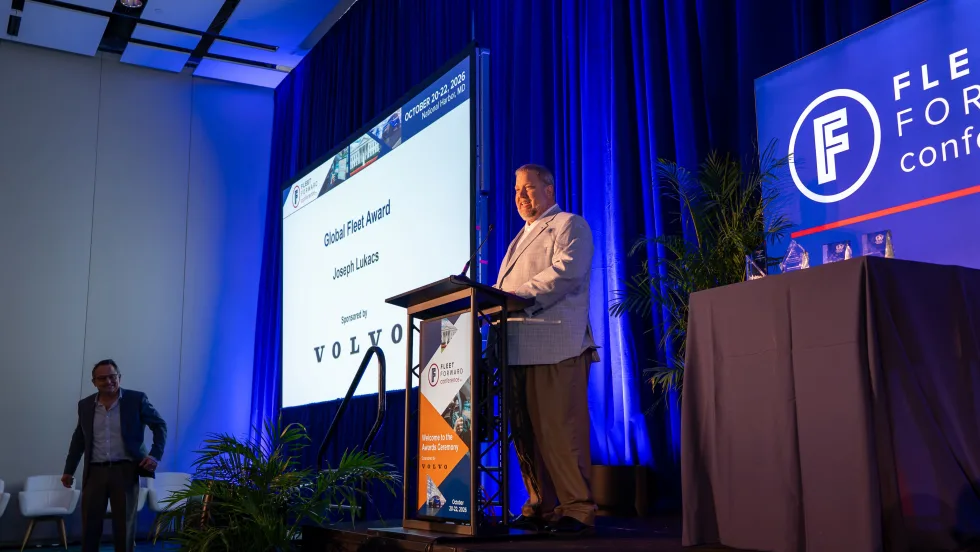
Joseph Lukacs Wins 2026 Global Fleet Manager of the Year
The Sherwin-Williams fleet leader adds another industry honor to his career after being named the 2025 Edward J. Bobit Professional Fleet Manager of the Year.
Read More →
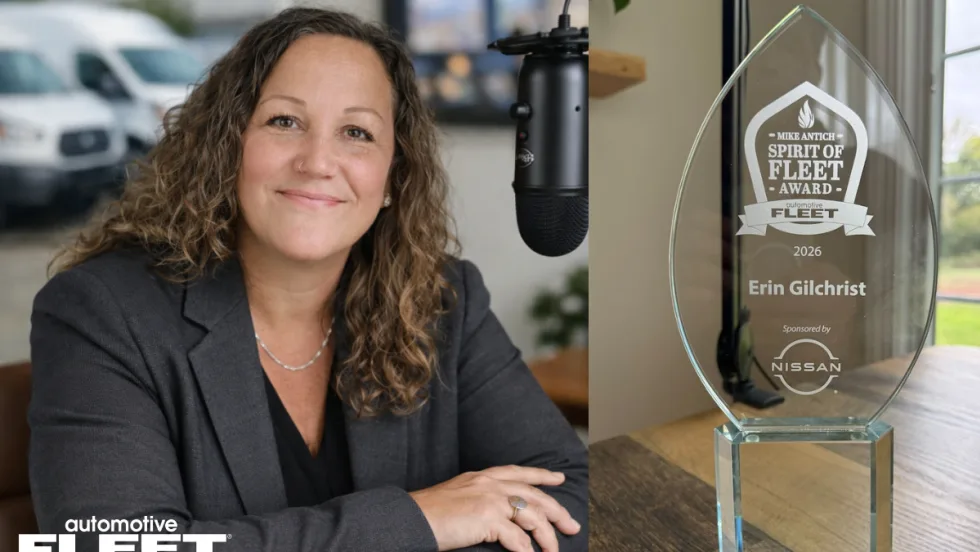
Erin Gilchrist Receives Mike Antich Spirit of Fleet Award
Last week at AFLA in Vegas, Erin Gilchrist received the inaugural, brand-new Spirit of Fleet Award.
Read More →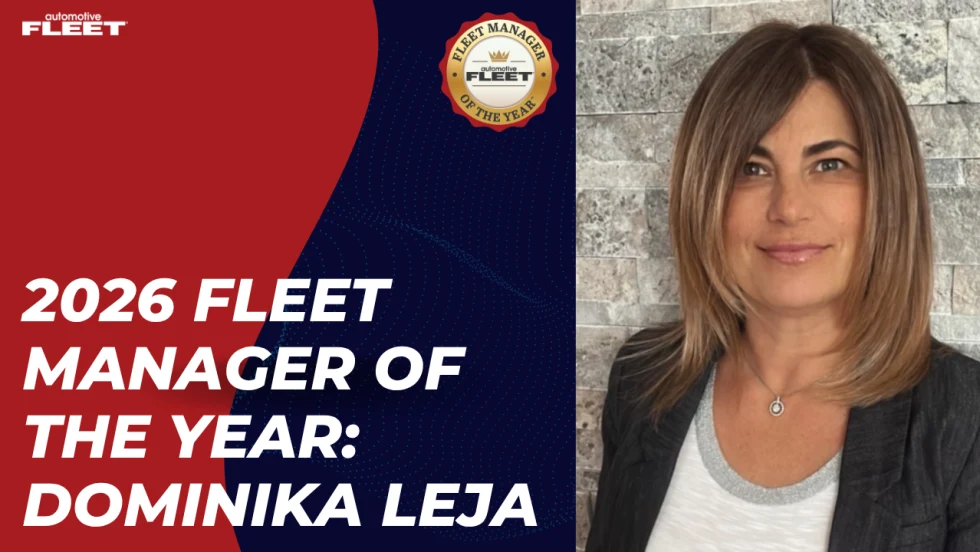
Dominika Leja Named the 2026 Fleet Manager of the Year
The AstraZeneca associate director of fleet was recognized for her leadership in fleet electrification, cost savings, and operational transformation.
Read More →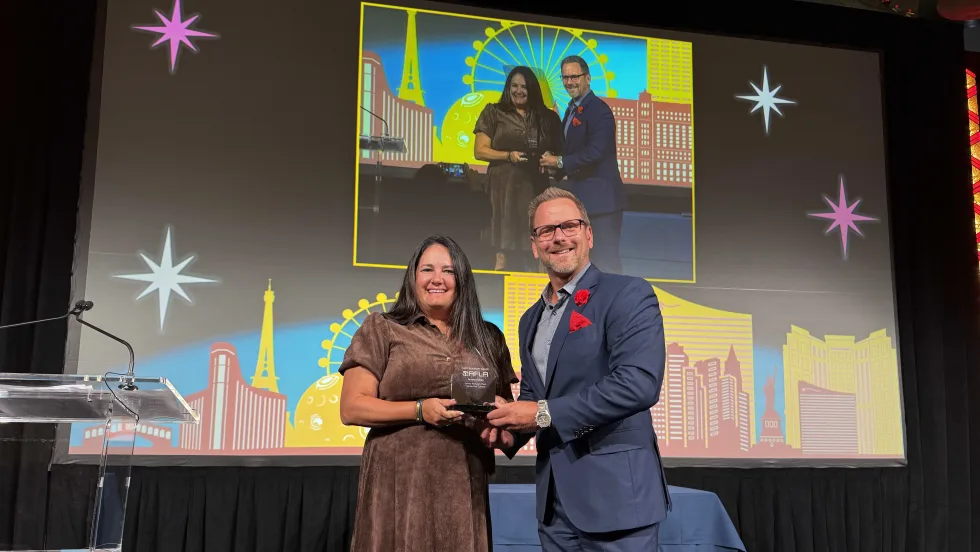
Jamie McKay Named the 2026 Fleet Visionary Award Winner
The Aptive Pest Control fleet manager was recognized for her approach to operations, data, lifecycle management, and driver needs.
Read More →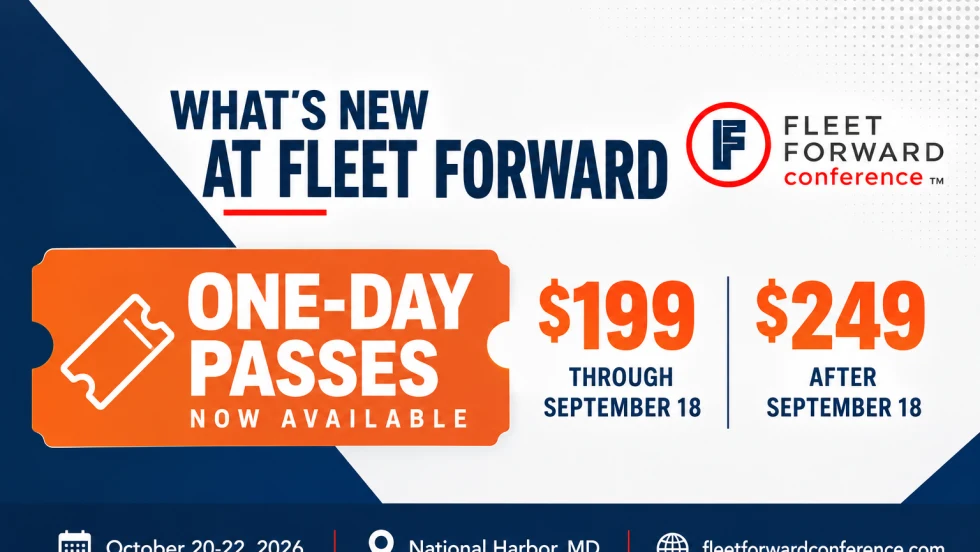
Fleet Forward Conference Introduces One-Day Passes for 2026
New one-day registration gives fleet professionals the flexibility to attend Tuesday, Wednesday, or Thursday, with passes available for $199 through Sept. 18.
Read More →
Vibe Coding: When Fleet Managers Become Software Builders
Five fleet professionals — none with programming skills — discuss how they’re using AI to build fleet solutions in-house and in a fraction of the time.
Read More →