




Want More? 6 Ways to Find a Mentor
Navigating the Future: A Guide to Creating a Fleet Manager Succession Plan
With the impact of a personal loss still fresh, a fleet management industry veteran shares with urgency a blueprint for fleet managers to help build their position’s succession plan.
by Sue Miller
January 30, 2024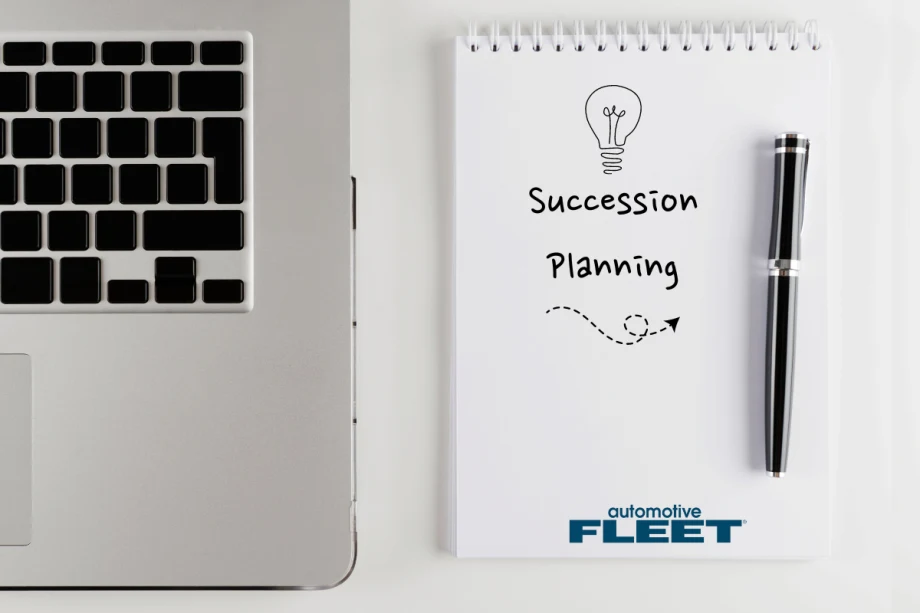
Fleet managers should have comprehensive manuals, task lists, and standard operating procedures (SOPs) that outline the essential elements of their role. This documentation becomes a crucial guide for the designated successor, ensuring a smooth transition.
Photo: Canva/Automotive Fleet
5 min to read
Here’s to a happy new year! 2023 ended with a bang, unfortunately not the happy type for me.
My older brother and last living brother passed away. It was unexpected and took us all by surprise. He was a widower for several years and lived alone, as I have and do now. Having multiple states between us, we talked weekly — sometimes for hours. He was the unofficial family historian and would share wonderful stories. There was no warning as to what was to come.
Due to his decades-long career in insurance and investments, he often counseled me on life matters, one topic being end-of-life preparedness particularly due to his experience with the passing of his wife, as well as those of his past clients.
Always being the sassy little sister, when I would lovingly challenge him about his preparedness, he would assure me and his only daughter that his end-of-life paperwork was in order.
We accepted that on face value and went about living day to day, until that day.
Long story short, his end-of-life paperwork was in order, just not readily available when it was critically needed. This prolonged an already very emotional and difficult situation.
So why am I being so personal in a prominent industry magazine?
Work has always been a strong catharsis for me, and a love of the fleet industry runs deep in my veins. I started catching up on my reading and came across Chris Brown’s November 2 article titled Do You Have a Fleet Manager Succession Plan, and then watched his November 20 video interview with Debbie Struna on Insights into Fleet Manager Succession Planning.
Plus for several weeks in a row, Mauricio Berber of Predictive Coach was airing clips on LinkedIn of a discussion he and I had late last year that he labeled #itsmillertimeseries. It was on the topic of navigating driver safety and litigation issues.
It was a clear push to act. With the impact of my brother’s situation still so fresh, I felt compelled to research and lay out a blueprint for fleet managers to help build or consider their succession plan — especially for those small business owners who wear multiple hats in their company.
Succession planning is often underestimated, especially in the context of fleet management. Fleet managers and businesses alike need to recognize that the absence of a well-thought-out plan can lead to operational disruptions, loss of institutional knowledge, and challenges in maintaining crucial relationships within the business and the industry.
For fleet managers themselves, having a succession plan in place is a strategic move that not only ensures the continuity of the business but also enhances their own career prospects.
Key Elements of a Fleet Manager Succession Plan
Document Policies, Processes, and Responsibilities - The foundation of a successful succession plan lies in documenting all policies, key processes, and responsibilities of themselves and their team if applicable.
Fleet managers should have comprehensive manuals, task lists, and standard operating procedures (SOPs) that outline the essential elements of their role. This documentation becomes a crucial guide for the designated successor, ensuring a smooth transition.
Build a Talent Pipeline
Succession planning involves identifying and developing talent within the organization. Fleet managers should assess the skills, knowledge, and potential of existing employees, proactively preparing individuals who demonstrate the ability to assume the role of a fleet manager in the future.
This could be anyone within the organization, not just those limited to the fleet department. Implementing training, mentorship, and development programs contributes not only to the organization's future leadership but also to the motivation and engagement of employees.
Establish Clear Communication Channels
Communication is key in everything, succession planning included. Fleet managers must establish transparent communication channels with their leadership, key stakeholders, cross-functional teams, suppliers, clients, and if applicable, regulatory authorities.
Informing them about the succession plan and how it will be implemented ensures that everyone is on the same page, managing expectations and maintaining relationships during the transition.
Benefits of a Succession Plan for Your Business
Mitigate Operational Disruptions
Succession planning mitigates operational disruptions by identifying potential successors who can seamlessly step into the role of a fleet manager during unforeseen events such as illness, accidents, or sudden departures. This ensures that the business can maintain efficient operations and provide uninterrupted services.
Preserve Institutional Knowledge
Documenting critical processes and responsibilities safeguards institutional knowledge and culture within the organization. This knowledge transfer is vital for the successor to navigate roles/responsibilities, policies, processes, programs, driver management, and regulatory compliance.
Establish Strong Relationships and Partnerships
Fleet managers are known to build crucial internal and external relationships such as suppliers and industry associations. Succession planning allows businesses to maintain these relationships by introducing the designated successor to key stakeholders, ensuring a smooth transition without losing valuable partnerships.
Benefits of a Succession Plan for the Fleet Manager
Career Advancement
For fleet managers, actively participating in the creation and execution of a succession plan positions them as proactive leaders with strategic foresight. This involvement enhances their promotability within the organization and contributes to their long-term career growth.
Personal Development
Succession planning presents a valuable opportunity for both fleet managers and their team members to engage in personal development. By proactively identifying and nurturing talent within the team, fleet managers contribute not only to their own professional growth but also to the continuous development and advancement of their employees.
This commitment to talent development not only ensures a strong leadership pipeline but also fosters a culture of continuous improvement and employee engagement.
Adaptability to Industry Changes
Fleet managers who engage in succession planning showcase their adaptability to industry changes. By considering long-term business strategies and forecasting industry trends, they position themselves as leaders ready to navigate the challenges of our constantly evolving fleet industry.
A Career-Enhancing Move
Creating a fleet manager succession plan is not just a strategic imperative for the business; it is also a career-enhancing move for the fleet manager.
This understanding empowers the fleet manager to convey the strategic value and long-term benefits that succession planning brings to the organization, so they can both navigate the future prepared with confidence and resilience.
Subscribe to Our Newsletter
More Operations

Reading the Global Signals: What AI and the Energy Transition Mean for Fleets Now
How can fleet managers navigate a never-ending, changing industry landscape?
Read More →
90% Use Telematics. Are Fleets Getting Safer? | AF News Recap
This week, we're breaking down which industries have the highest rates, how Jamie McKay manages 2,400 vehicles, what's happening with the 2027 fleet awards, and why software-defined vehicles could introduce new costs.
Read More →
What's Best Handled by an FMC, and What's Better Done Directly?
Fleet managers continue to rely on FMCs for essential services but are taking a closer look at where working directly with suppliers can improve efficiency and responsiveness.
Read More →

Fleet Meets: Erin Gilchrist
Meet Erin Gilchrist, the inaugural Mike Antich Spirit of Fleet Award winner, as she shares insights on leadership, mentorship, the power of industry connections, and why people remain at the heart of fleet's future.
Read More →
How 2026 Fleet Visionary Jamie McKay Manages 2,400 Vehicles Across 37 States
How do you keep 2,400 vehicles running across 37 states? Fleet Visionary Award winner Jamie McKay shares how collaboration, flexibility, and a few simple strategies help her tackle fleet management challenges at Aptive Pest Control.
Read More →
Managing Fleet Costs in an Era of Permanent Volatility
Fleet operating costs have risen more than 20% since 2020, raising a key question: When does extending a vehicle's service life stop making financial sense?
Read More →
The Next Evolution of Fleet Management: Autonomous Operations
This opening keynote session at the Fleet Forward Conference highlights the future of autonomous driving for fleets.
Read More →
How to Reduce the Total Cost of Risk From Catalytic Converter Theft
A stolen catalytic converter can cost fleets far more in downtime and lost productivity than in repairs. A total-cost-of-risk approach can help fleet managers quantify their exposure and prioritize theft prevention.
Read More →
Personal-Use Charges Rise as Vehicle Values Fall | AF News Recap
Personal-use charges are climbing, wholesale used-vehicle values are declining, and commercial fleet sales growth is slowing. This week, we're breaking down the latest fleet data, plus how Element Fleet Management is helping Waymo prepare for its first Canadian robotaxi market.
Read More →
Here's When You Should Make an Exception to Fleet Policy
Fleet policies are designed to create consistency, but not every driver or situation fits neatly within standard rules.
Read More →